
Crime
Boko Haram attack on Molai worsens humanitarian crisis at NYSC IDP camp, Maiduguri

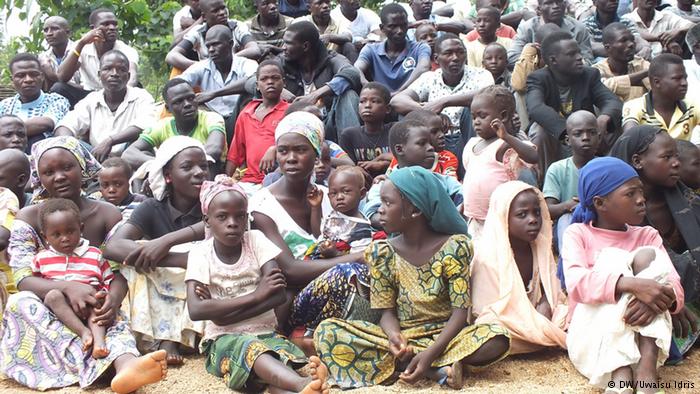
Following the May 7 Boko Haram attack on Molai, southeast of Maiduguri, and the Nigeria Air Force base nearby, no fewer than 300 people have been displaced, worsening the humanitarian situation in the NYSC IDP Camp in the Maiduguri suburb.
The National Daily gathered from the report of the humanitarian agencies that visited the affected town and its infrastructure, including a power plant, the attack was targeted at the military and certain people in the town.
“Several dozen buildings were completely burned to the ground. In some sections, only select buildings were burned, while others remained fully intact, suggesting possible targeted attacks,” the report stated.
The team comprised monitors from the UN Office for Coordination of Humanitarian Affairs, the International Organisation for Migration, the UN Mine Action Service, and Protection Standby Capacity Project (Procap).
While casualty was not high—six civilians and four military officers—those displaced, in need of food and medical attention, are having a hard time getting into IDP camps.
A pregnant woman amongst the Molai displaced had a baby on the run, but as of May 10 when the team visited the NYSC IDP camp where she eventually checked into, she and the baby had not been given any medical attention.
The experience of others from Molai was not different.
According to the report, none of them was allowed in by the military personnel in charge of the camp. The displaced had been living out in the open outside the gate, waiting for when they would be screened and registered.
“People were visibly weak and tired. Several indicated that they were not fasting for Ramadan. Even then, those fasting did not have access to food or water in the evenings,” said the team in the report.
The camp, bristling with well over 6000 people before the Molai incident, was crowded, and supplies could not go round as hundreds still slept in the open, and even on bare ground.
The report also highlighted the distress of those left behind—just about 30 percent of the town.
The town’s power source took a hit in the fight, which military sources said involved use of a Suicide Vehicle Borne Improvised Explosive Device SVBIED), rocket propelled grenades (RPGs), other small and light weapons.
The aged people in town remained for obvious reasons, while the sick, especially some 10 leprosy patients in a hospital there, had no medical attention since the attack took place. The staff too had fled, though the facility was not hit.
The team recommends the IDP managers address response-gaps in the screening and registration, and also prioritized food, water, and trauma care for the displaced already registered.
The report also suggests a protection assessment team should go to Molai to assess threat level, including explosive left after the fight, evacuate the patients in the hospital—and even the elderly people stranded there.
The number of Nigerians displaced within the country has been increasing lately. The latest figure from the UN indicates no fewer than 1.3 million Nigerians have been rooted up from their settlement as a result of communal disputes, insurgency, and other crisis.


-

 Latest7 days ago
Full List: Meet the 2026 Nobel Prize winners across six categories
-

 Football6 days ago
Premier League Matchweek 7: Five Fixtures That Could Shape the Weekend
-

 Business5 days ago
Dangote Refinery IPO: 70% Subscription claim meets fourfold demand assertion as investors seek clarity
-
 Latest6 days ago
Umahi defends Lagos-Calabar highway route changes amid public outcry
-
Business6 days ago
Dangote Refinery IPO Extension: Was the 70% subscription report overhyped?
-

 Latest4 days ago
UCTH faces morgue crisis as 50 unclaimed corpses await mass burial
-

 Business4 days ago
BREAKING: Nigeria’s Inflation Rate Drops to 14.63% in September
-

 Featured6 days ago
El-Rufai, ADC governorship candidate’s court appearance puts Kaduna opposition politics in focus