
News
Corruption index: Nigeria gains as US drops to 22nd

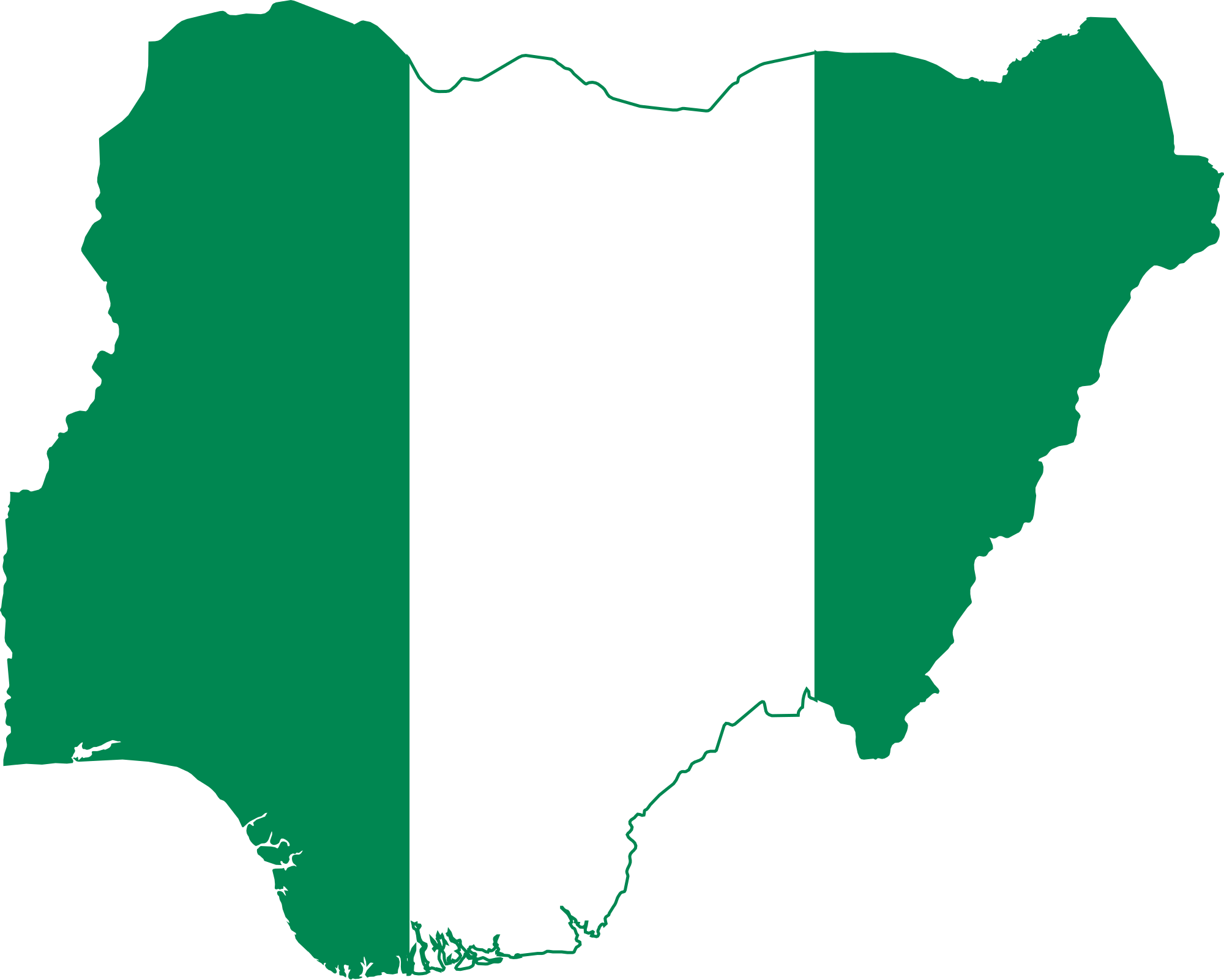
Nigeria has moved up four places in the Transparency International corruption perception index (CPI) for 2018, according to the latest report unveiled on Tuesday morning.
The country is ranked 144 out of the 180 countries that were surveyed last year — an upward movement of four places compared to 148/180 in 2017.
Africa’s most populous country is tied with Kenya, Comoros, Guatemala and Mauritania. And it is ranked better than Cameroon put at 152nd. Botswana remains Africa’s most transparent country with a ranking of 34, followed by Namibia, Mauritius and Senegal.
The United States slid to 22nd in the world from 18th last year, dropping out of the top 20 countries for the first time since 2011, Transparency International said in a report that cited growing threats to democracy worldwide.
The group said its latest report on business leaders’ perceptions of corruption put the United States at 71, down from 75, on a scale of 0-100. That sounds a “wake-up call” about the need to tackle conflicts of interest, undue influence of the private sector and widening gaps between rich and poor, said Zoe Reiter, the watchdog’s acting representative to the United States.
Denmark and New Zealand had the best scores on the Corruption Perceptions Index (CPI) again in 2018, scoring 88 and 87, while Somalia, Syria and South Sudan remained at the bottom, with scores of 10, 13 and 13, TI said.
The group said only 20 countries had significantly improved their scores since 2012, including Argentina and Ivory Coast. Sixteen others, including Australia, Chile and Malta, declined significantly in the same period.
In a statement released along with the 2018 report on Tuesday morning, Patricia Moreira, managing director of Transparency International, emphasised the need “to do more to strengthen checks and balances and protect citizens’ rights” with many democratic institutions “under threat across the globe”.
“Corruption chips away at democracy to produce a vicious cycle, where corruption undermines democratic institutions and, in turn, weak institutions are less able to control corruption,” she added.


-

 Featured2 days ago
BREAKING NEWS: Shouts of joy rock the world as Pastor Chris opens final Healing Streams edition for 2026
-

 Football3 days ago
Man United shortlist Emery, Nagelsmann as potential replacements for Carrick
-

 Business3 days ago
Hoodlums raid JED Benue office, abduct 10 staff over power dispute
-
 Business6 days ago
Naira faces exchange rate gap as Dollar hits N1,380 on parallel market
-

 Football3 days ago
Aston Villa ready to freeze out Garnacho to avoid £43m Chelsea transfer
-

 Business3 days ago
EV adoption: Roxettes seeks cheaper financing, local manufacturing incentives
-

 Latest3 days ago
Akpabio tasks Tompolo-backed movement with spreading Tinubu’s renewed hope message
-
 Business3 days ago
Naira suffers biggest daily drop in 18 months, falls to N1,365/$