Fresh facts have emerged explaining why the Director of Public Prosecutions (DPP) of the Federation, E. U. (Etsu Umar) Mohammed, gave former Senate President Abubakar Bukola Saraki and former Kwara State Governor Abdulfatah Ahmed a clean bill of health over their alleged links to the 2018 Offa robbery incident.
The revelations come amid fresh charges reportedly filed at the Ilorin High Court by the Kwara State Government against the two political figures in connection with the April 5, 2018 multiple bank robbery attack in Offa, Kwara State.
Investigations indicate that the DPP’s decision followed a detailed review of a 16-page police report prepared and signed by Mr. Abba Kyari, then Deputy Commissioner of Police and head of the Inspector-General of Police Intelligence Response Team (IGP-IRT) at the Force Headquarters, Abuja.
The IGP-IRT was responsible for investigating the high-profile robbery, which left several people dead and shocked the nation.
In a first legal advice dated June 22, 2018, and issued on behalf of the Attorney General of the Federation and Minister of Justice, the DPP prepared a five-page opinion evaluating the interim police findings.
In paragraph 5(f) of that advice, the DPP stated that his office was unable to establish, from the evidence presented, a nexus between the alleged offences and Saraki and Ahmed. He recommended that further and more thorough investigation be conducted to determine whether any link existed.
Following the submission of a second police report on July 27, 2018, the DPP issued a second legal advice dated August 23, 2018.
READ ALSO: Saraki clears Tinubu of role in prosecution, backs southern presidency in 2027
In paragraph 3(vi) of that document, he reaffirmed his earlier position, stating that there was no departure from the findings in the interim report. Consequently, the office remained unable to establish any prima facie case against Saraki for offences including criminal conspiracy, armed robbery and culpable homicide punishable with death.
The legal advice effectively cleared both Saraki and Ahmed of direct criminal liability based on the evidence available at the time.
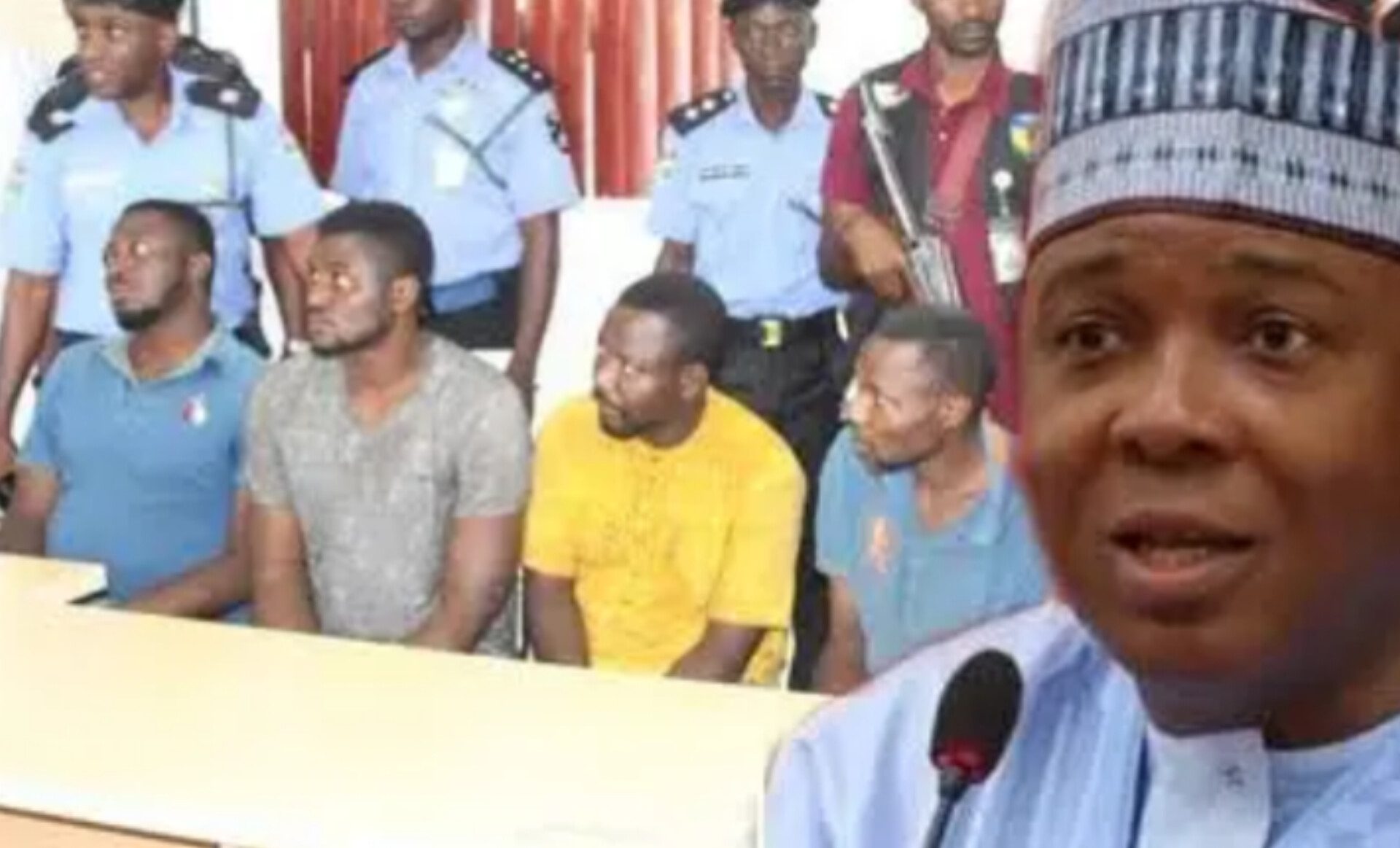
While the former political leaders were not recommended for prosecution, both legal advisories named six individuals for trial: Ayoade Akinnibosun, Ibikunle Ogunleye, Adeola Ibrahim, Salawudeen Azeez, Niyi Ogundiran and Michael Adiukwu.
One of the suspects, Michael Adiukwu, later died in police custody. The remaining five were prosecuted before the High Court in Ilorin.
During the trial proceedings, the defendants reportedly told the court that they had been coerced into making statements implicating Saraki. They alleged that inducements, including monetary offers and promises of visas to travel abroad, were dangled before them.
The suspects were eventually convicted by the trial court, and their convictions were upheld by the Court of Appeal. The matter is currently pending before the Supreme Court of Nigeria for final determination.
The emergence of the DPP’s earlier legal opinions has reignited legal and political debate surrounding the Offa robbery case, particularly in light of the fresh charges filed by the Kwara State Government.
Observers note that the case remains one of the most politically sensitive criminal matters in recent Nigerian history, given the stature of the individuals involved and the gravity of the offences.
As proceedings continue at the state level and the Supreme Court prepares to consider the appeal of the convicted suspects, attention is once again focused on the legal and evidentiary foundations of the case.



 Latest1 week ago
 Football1 week ago
 Maritime7 days ago
 Football6 days ago
 Education1 week ago
 Latest6 days ago
 Latest7 days ago
 Health6 days ago