
Business
Interconnect debt: MTN Nigeria replies Globacom

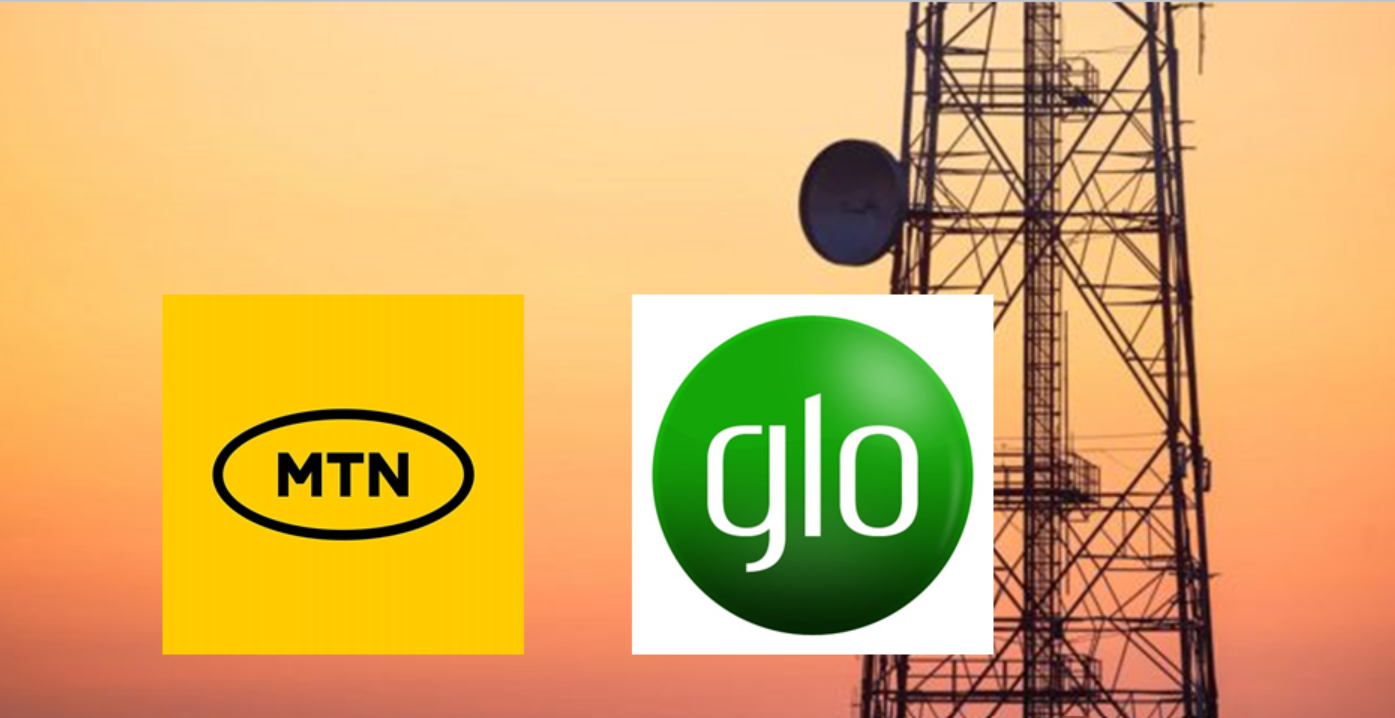
MTN Nigeria has refuted Globacom claims that it has paid the N6bn interconnect charges debt, noting that the charges have remained unsettled for years.
NCC has approved the partial disconnection of Globacom to MTN due to a non-settlement of interconnect charges.
The commission said this in a public notice by Reuben Muoka, the director of public affairs of the commission, on Monday.
The partial disconnection, according to the commission, means that Globacom’s subscribers will no longer be able to make calls to MTN, but will be able to receive calls to the Globacom network. Glo controls about 28 per cent of the Nigerian telecommunication market.
A representative of MTN Nigeria disclosed that Globacom had remained a serial debtor of interconnect charges not only to MTN but to other mobile network operators in the country.
Investigations also have it that what Globacom does was to quickly settle part of its debts anytime there was an attempt to disconnect its subscribers from other network operators.
‘‘We have taken this matter to the Nigerian Communications Commission (NCC) on a number of occasions but NCC will plead on their behalf because of the subscribers that are likely to be negatively affected.
READ ALSO: Globacom denies owing MTN interconnect charges debt
Although Globacom claimed to have paid N1.6 billion from its commitment to MTN, it is not clear if the planned disconnection of Globacom subscribers will go ahead as planned by the Nigerian Communications Commission (NCC).
Following a thorough examination of the circumstances surrounding the non-payment of interconnect charges, the NCC concluded that Globacom failed to provide sufficient or justifiable reasons for its outstanding debts.
Engineer Gbenga Adebayo, the Association of Licensed Telecoms Operators of Nigeria (ALTON), had expressed worry over the lingering interconnect feud between MTN Nigeria and
Concurrently, the NCC informed Globacom of MTN’s application, allowing Globacom an opportunity to present its case and provide comments.
Adebayo said the issue was of serious concern to members adding that interconnect debt can generate distrust among members and the industry.
READ ALSO: NCC assures Nigerians of improved telecoms quality service in 2024
According to him, it can destroy growth and slow interconnectivity, “we are concerned. But, again, it is an internal matter that we are trying to find the best way to resolve. It is a serious issue, we are praying it doesn’t escalate beyond reasonable measure.”
On his part, Chief Deolu Ogunbanjo, the president, the National Association of Telecoms Subscribers of Nigeria (NATCOMs), who welcomed the development, said the challenge around interconnect debt had been on for the past 10 years.
Ogunbanjo sees no reason why Globacom shouldn’t have paid the money as and when due, stressing that these are revenues collected upfront even before calls are made.
“This is a good development so that no one stifles the other from existence. I believe it will serve other operators a lesson too. The interconnect debt has been a debilitating disease in the sector. An operator collects money upfront and refuses to remit when it is supposed to. I think that is bad,” he said.










-

 Featured5 days ago
Inside INEC’s race to prepare for Nigeria’s 2027 elections
-
 Featured5 days ago
2027: APC unveils nationwide campaign timetable, Tinubu to rally in 12 states
-

 Latest1 week ago
UCTH faces morgue crisis as 50 unclaimed corpses await mass burial
-

 Business7 days ago
President Tinubu and the Low Transport Fares Fiasco
-

 Business1 week ago
BREAKING: Nigeria’s Inflation Rate Drops to 14.63% in September
-
 Business5 days ago
Court dismisses ₦170m Trade Fair contract claim, says Zenith Bank was not a party
-
 Business3 days ago
Naira faces exchange rate gap as Dollar hits N1,380 on parallel market
-

 Latest7 days ago
Global excitement builds as Healing Streams Live Services returns October 23