
Business
Naira in historic low, hits N960/$1 at parallel market

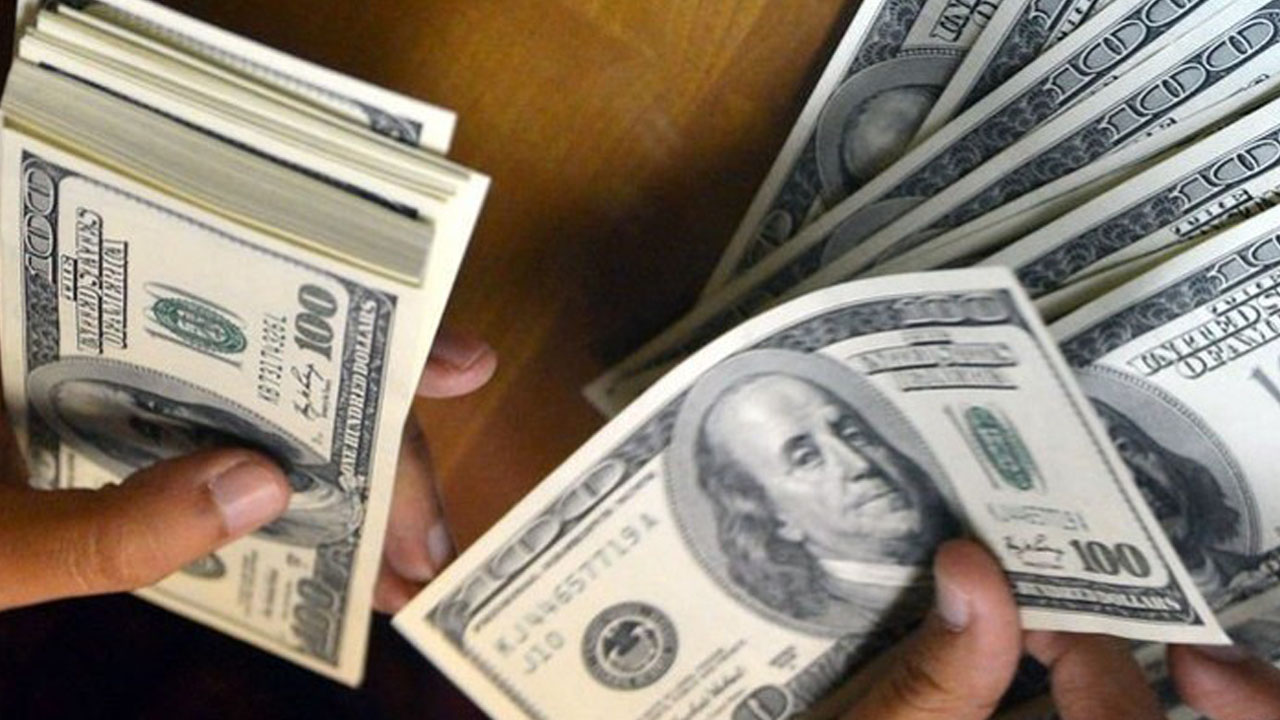
Naira dropped to N960/$1 on Monday at the parallel market, and also to N970/$1 in the burgeoning peer-to-peer market where exchange rates are often set through cryptocurrency transactions.
This decline crosses the previously observed rate of N960/$1 just last week. This slump in the exchange rate garnered the attention of various market stakeholders.
Conversations with black market currency dealers indicate a weakening exchange rate, closing around N960/$1 on Monday, compared to the N950/$1 rate observed at the close of the previous week.
So far this month, the parallel market has seen a 4% decline in the value of the naira against the dollar.
READ ALSO: Naira Marley gets death threats over Mohbad’s untimely death
Forex traders attribute this trend to a shortage in dollar supply, a factor that is significantly impacting the exchange rate as demand continues to far outstrip available resources.
As of the latest data, the disparity has widened to approximately N180/$1. The official NAFEX rate closed at N774.63, presenting a stark contrast to the rates in the parallel market.
A glance at the official Investor & Exporter (I&E) window shows the naira trading at an exchange rate of N773.98, although it spiked to an intra-day high of roughly N799.90.
On the turnover front, the forex market saw transactions amounting to a modest $64 million, albeit an improvement from the $45.88 million recorded last Friday.
READ ALSO: Naira totters at black market, exchanges for N922.65/$1
An analysis of trading in September reveals that daily forex turnover has averaged about $77 million in the first 11 days, marking a decrease from the $90 million average observed over the same period last month.
Interestingly, despite steps taken to unify the exchange rate, there has been no significant uptick in forex turnover.
This stagnation suggests that investors continue to conduct transactions outside the official market, further fragmenting the landscape and leading to inconsistencies in exchange rates.
Insiders familiar with the forex market revealed that the Central Bank of Nigeria remains the largest supplier of foreign currency in the official I&E window.
However, many businesses opt for the parallel or black market to execute their forex trades, lured by the more favorable exchange rates on offer.













-

 Latest6 days ago
US Immigration fees rise from October 16 as USCIS announces new charges
-
 Latest1 day ago
Israel marks 3 years since October 7 Hamas attack amid Gaza strikes, election debate
-

 Business6 days ago
Nigeria’s $55bn reserves raise fresh questions over naira value
-

 Health5 days ago
Florida sues Pfizer over deceptive COVID-19 vaccine marketing
-

 Business1 week ago
Tuoyo Erikowa wins digital marketing personality of the Year at 2026 EDGE awards
-

 Crime5 days ago
From camp to captivity: How kidnappers now target NYSC Corps members on highways
-

 Featured6 days ago
2027: Can Nigeria’s opposition still unite behind a single presidential candidate?
-

 Crime5 days ago
Fulani Militia leader linked to Christian killings arrested in Plateau