
Business
Naira loses 68% of its value in official market since FX unification policy

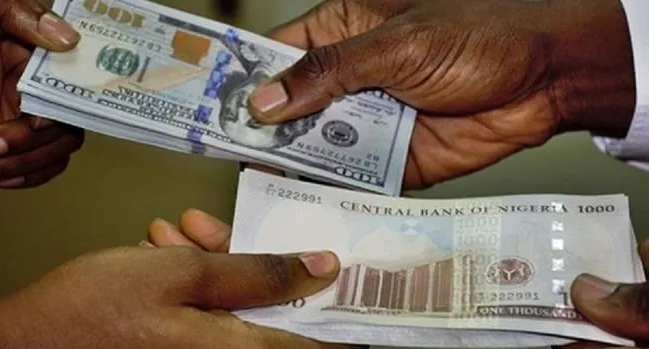
The Naira has lost about 68% of its value, marking a profound downturn since the implementation of the foreign exchange unification policy
In January 2024, the official foreign exchange rate surged to N1455.59/$, marking a significant depreciation from the previous rate of N464.67/$ in May 2023.
The situation in the parallel, or unofficial, market is equally grim, showcasing a descent from N763/$ to N1470/$ in the same timeframe, translating to a harrowing 48% devaluation.
This economic tremor is further underscored by the dip in Nigeria’s external reserves, which have dwindled from $35.09 billion to $33.35 billion over these months. It is projected that Nigeria’s foreign reserve will further drop to $24 billion this year.
In a bold move in June 2023, the Central Bank of Nigeria (CBN) unveiled a strategy to streamline the foreign exchange market by merging all segments into a single unified system. This pivotal shift, aimed at fostering liquidity and stability within the Nigerian Foreign Exchange (FX) Market, ironically seems to have precipitated increased market volatility and a precipitous decline in the Naira’s value.
The escalated demand for foreign currency is believed to have exacerbated the Naira’s depreciation. A pervasive rush among Nigerians to secure dollars for critical outlays, such as educational fees, healthcare, and importation costs, continues to pressure the local currency.
Several critical factors compound the issue, including a considerable flow of foreign currency from non-oil avenues like remittances, tourism, and non-oil exports, predominantly channelled through the informal market. Nigeria’s inability to fulfil its OPEC oil production quota significantly influences the Naira’s valuation, given the pivotal role of oil in the nation’s foreign exchange earnings. The situation is further aggravated by rampant oil theft, culminating in diminished oil revenue.
READ ALSO: Experts caution CBN against further hike in interest rate
The weakening Naira has inflicted broad economic repercussions, including heightened import costs, surging inflation rates, diminishing purchasing power, and a deterrent effect on investment inflows. The inflationary trend peaked at 28.92% by December 2023, as reported by the National Bureau of Statistics (NBS), underscoring the inflationary pressures beleaguering the economy.
The fate of the Naira is intricately linked to a constellation of determinants, encompassing the country’s monetary and fiscal policy frameworks, political and security stability, and the global community’s confidence in Nigeria’s economic landscape.
Nigeria currently struggles with significant challenges with foreign exchange illiquidity, impacting the country’s ability to clear its forex backlog and further depreciating the Nigerian currency’s value. This forex scarcity has been a major hurdle in meeting the nation’s foreign exchange obligations, contributing to a dwindling confidence among foreign investors.
In response to these challenges, the Central Bank of Nigeria (CBN) has taken some steps, such as addressing the backlog of foreign exchange forwards, with an outstanding balance of $2.2 billion yet to be cleared.
Looking ahead, the CBN’s commitment to enacting reforms is anticipated to be a linchpin in bolstering the Naira’s standing against the dollar, highlighting the critical intersection of policy efficacy and economic resilience.











-

 Latest5 days ago
Full List: Meet the 2026 Nobel Prize winners across six categories
-

 Football4 days ago
Premier League Matchweek 7: Five Fixtures That Could Shape the Weekend
-

 Latest4 days ago
Umahi defends Lagos-Calabar highway route changes amid public outcry
-

 Business3 days ago
Dangote Refinery IPO: 70% Subscription claim meets fourfold demand assertion as investors seek clarity
-
Business4 days ago
Dangote Refinery IPO Extension: Was the 70% subscription report overhyped?
-

 Latest2 days ago
UCTH faces morgue crisis as 50 unclaimed corpses await mass burial
-

 Featured4 days ago
El-Rufai, ADC governorship candidate’s court appearance puts Kaduna opposition politics in focus
-

 Latest5 days ago
Makinde’s Chief of Staff, Segun Ogunwuyi, resigns