
Business
Nigeria is broke – Rewane

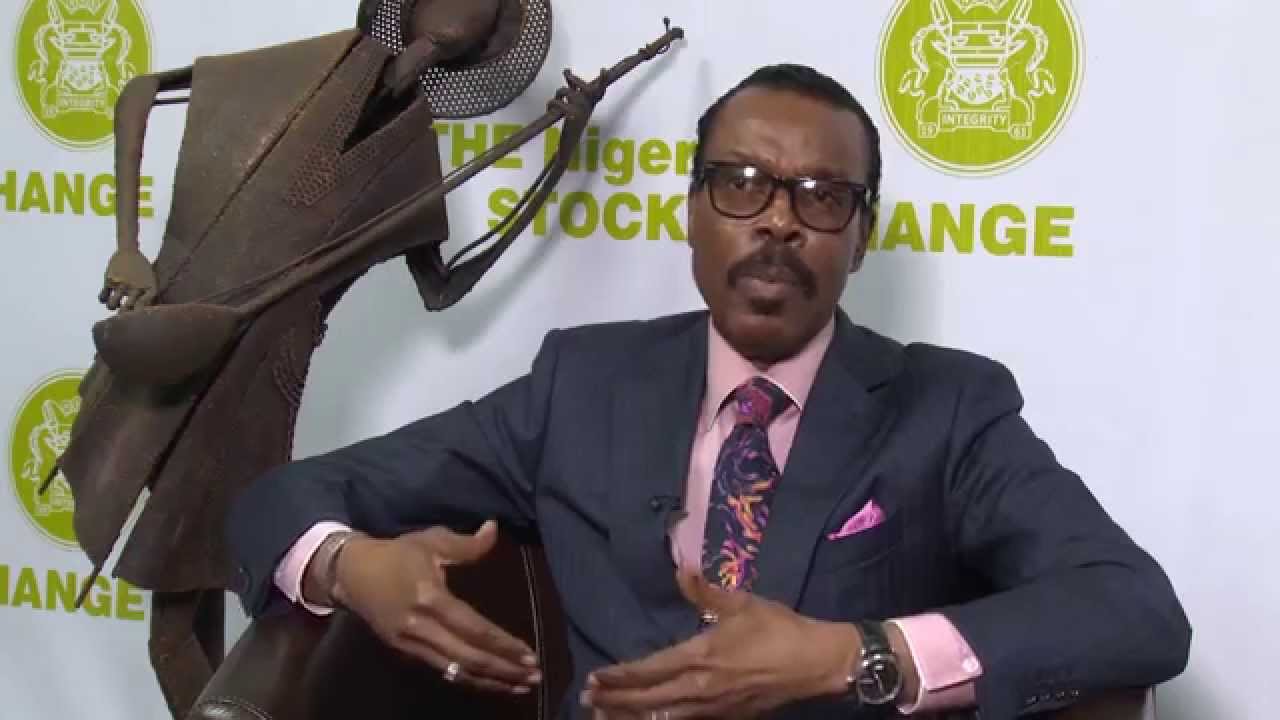
A member of President Muhammdu Buhari’s Economic Advisory Council (EAC), Bismarck Rewane, says Nigeria is broke, noting that the situation has left the country in a rather precarious financial position as far as dealing with the looming recession is concerned.
Rewane who is also the CEO of Financial Derivatives Ltd disclosed this in an interview with CNBC Africa.
According to him, Nigeria does not currently have enough buffers to withstand the shocks of the global recession which the International Monetary Fund (IMF) recently projected will happen post Covid-19.
He also pointed out that unlike in 2008 and 2016 when the country had enough buffers to cushion the effects of the recessions recorded in those years, the same cannot be said for the Nigeria of 2020.
The economist however, expressed optimism that the country will be able to quickly recover from the recession, but on the proviso that the President Buhari-led government will be ready to adjust to the structural changes which the IMF has recommended.
He also commented on Moody’s latest affirmation of its negative outlook for Nigeria’s B2 long-term issuer rating, as well as the country’s senior unsecured loan rating.
According to him, Moody’s and other rating agencies based their affirmations on the likelihood that Nigeria may default on its loan obligations. Considering the fact that much of Nigeria’s revenue comes from oil sales, and also bearing in mind what is happening in the global oil sector, there is a high possibility that loan defaults are inevitable for the country.
“When you look at our dependence on oil and the sharp fall in the price of oil and the output cuts as well, you find that our revenues are very vulnerable. To that extent, there’s the likelihood that there could be a default, even though as much as it may be is what the ratings agencies have suggested. The IMF, on the other hand, is looking at the broad picture; looking at growth, looking at inflation, looking at the ability to come out of this without massive unemployment and corporate mortality,” Rewane said.
He added that the Nigerian government is taking the current economic situation very seriously and is taking the necessary actions to mitigate its impacts. On the fiscal side, the country is seeking to borrow about $6.9 billion from multilateral lenders like the World Bank and the IMF. The loan is expected to help the country to meet the fiscal gap of about $14.4 billion which has been created by the Coronavirus pandemic.


-
 Energy1 week ago
Fuel Battle: Dangote, marketers and government clash over petrol imports
-

 Latest3 days ago
Full List: Meet the 2026 Nobel Prize winners across six categories
-
 Featured7 days ago
103 Million Voters: What does INEC’s new register say about Nigeria’s population?
-

 Football3 days ago
Premier League Matchweek 7: Five Fixtures That Could Shape the Weekend
-
 Business1 week ago
The Ministry of Commerce of Loveworld gets a $1 million boost for new investment fund at LTIF 2026 to promote Trade in Ghana
-

 Features1 week ago
Edo’s 2.5 million vote promise: Can the numbers match the politics?
-

 Latest2 days ago
Umahi defends Lagos-Calabar highway route changes amid public outcry
-

 Latest1 week ago
Nigeria to Ghana: Inside police hunt for Anambra kidnap suspect