
Business
Nigeria to sell more state-owned assets in 2021

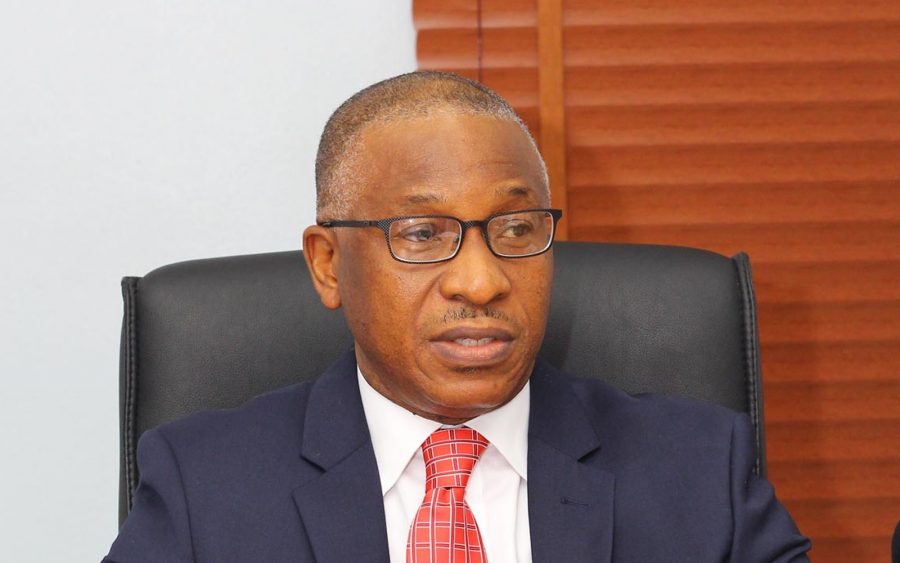
The Bureau of Public Enterprises (BPE), Nigeria’s privatisation agency, intends to sell 36 state-owned assets in 2021 as part of efforts to raise more revenue for the country.
The BPE intends to raise N493.4 billion (US$1.2 billion) from selling these state-owned assets, which include power-generation plants and free-trade zones.
According to The Economist Intelligence Unit report for July 2021, the reason for the assets sale is to generate revenue for the government while also reducing operational inefficiencies and increasing competence through private investments.
READ ALSO:BPE offers five GenCos to investors
According to the Director-General of the BPE, Alex Okoh, since its creation in 1999, the bureau has generated more than N1 trillion (US$2.4 billion) from the sale, commercialisation and concession of 234 public assets.
“But many of the transactions occurred in the early years of Nigeria’s privatisation programme. Little progress has been made in the past decade. For the three years to 2020, the Federal Ministry of Finance reported zero privatisation proceeds even though revenue from sales had been expected in each year.”
The report stated that 2019 saw policymakers disclose a proposal to cut government stake in existing joint ventures. Partnerships with global oil corporations to 40%, down from an average of 57.5%, are unquestionably desirous of the opportunity advantages of privatization. However, the authorities have been hampered by a number of roadblocks. Ownership and control of public assets are being relinquished. It is unlikely that the BPE will meet its 2021 objective.
READ ALSO: BPE to convert redundant assets to cash
Although there has been an increased drive to divest from loss-making public companies as a method of saving money, privatization revenues will not compensate for an appallingly low tax base in terms of relieving budgetary strains or an over-reliance on oil income.
The report said, “Privatisation receipts will not compensate for an abysmally low tax take or an over-dependence on oil revenue. Because of this, we continue to expect upcoming budgets to include new taxes or increases to existing taxes, in particular value-added tax (VAT).”
“We continue to expect a VAT hike to 15%, a revenue measure that appears unavoidable considering persistent budget deficits. However, we continue to expect fiscal deficits in 2021-25, averaging 2.9% of GDP a year.”


-
 Energy1 week ago
Fuel Battle: Dangote, marketers and government clash over petrol imports
-

 Latest3 days ago
Full List: Meet the 2026 Nobel Prize winners across six categories
-
 Featured7 days ago
103 Million Voters: What does INEC’s new register say about Nigeria’s population?
-

 Football3 days ago
Premier League Matchweek 7: Five Fixtures That Could Shape the Weekend
-

 Business1 week ago
The Ministry of Commerce of Loveworld gets a $1 million boost for new investment fund at LTIF 2026 to promote Trade in Ghana
-

 Features1 week ago
Edo’s 2.5 million vote promise: Can the numbers match the politics?
-

 Latest2 days ago
Umahi defends Lagos-Calabar highway route changes amid public outcry
-

 Latest1 week ago
Nigeria to Ghana: Inside police hunt for Anambra kidnap suspect