
Business
Nigerian exporter saves over ₦60m under China’s zero-tariff policy

By Diden Abigail Owuntarose
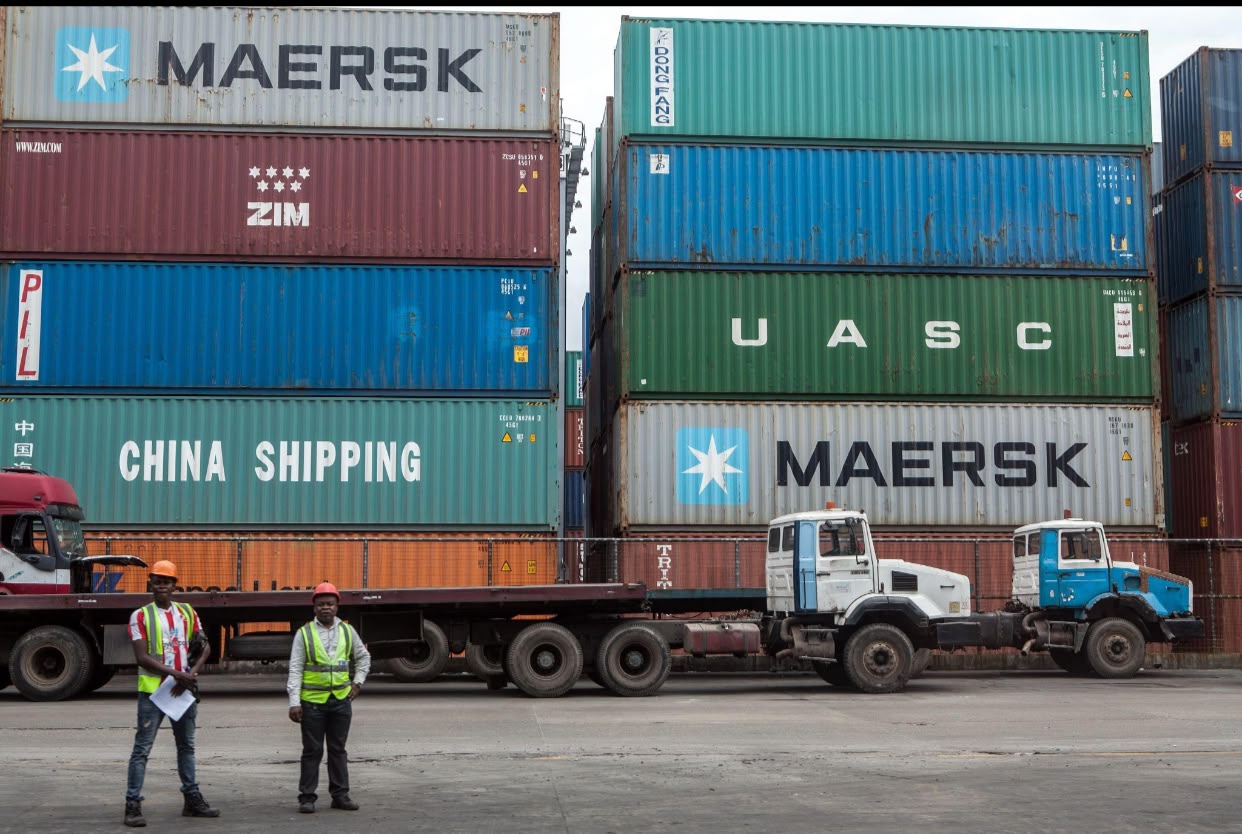
A Nigerian exporter has reportedly saved more than ₦60 million in import duties on a shipment of goods to China, highlighting the potential benefits of Beijing’s zero-tariff policy for African countries.
The Chinese Consul-General in Lagos, Zhou Bin, disclosed the development on Tuesday at the Nigeria-China Trade and Investment Forum, where he said a shipment of 747 tonnes of Nigerian products generated the reported tariff savings.
The policy, which took effect on May 1, 2026, provides zero-tariff treatment for eligible goods from 53 African countries with which China maintains diplomatic relations.
According to Bin, the arrangement is designed to reduce the cost of African products entering the Chinese market, improve trade competitiveness and encourage economic cooperation between both sides.
He said the initiative could create opportunities for Nigerian businesses to expand exports, increase production and generate employment, particularly as global trade faces growing protectionist pressures.
The consul-general urged Nigerian producers and exporters to take advantage of the preferential market access by improving product quality, maintaining reliable supply chains and strengthening their marketing strategies.
He also encouraged businesses to participate in major Chinese trade exhibitions, including the China International Import Expo and the Canton Fair, to build partnerships and establish stronger connections with buyers.
However, industry stakeholders warned that lower tariffs alone would not guarantee export success.
The Director-General of the Nigerian Institute of International Affairs, Professor Eghosa Osaghae, said Nigeria must strengthen its regulatory framework and improve transparency in business operations to maximise the benefits of the trade arrangement.
He also called for greater local manufacturing and technology transfer, arguing that Nigeria would gain more from the relationship if foreign investments supported domestic production and value addition.
The zero-tariff policy is expected to offer opportunities for Nigerian agricultural products, processed commodities and manufactured goods seeking access to China’s large consumer market.
Nevertheless, exporters must meet Chinese quality, safety and regulatory requirements to sustain market access and compete effectively.
The development underscores the need for Nigeria to move beyond raw commodity exports towards value-added production, as businesses seek to convert preferential trade access into stronger export earnings and long-term economic growth.


-

 Crime7 days ago
Kwara bandit deal under scrutiny as footage shows security operatives negotiating with terrorists [VIDEO]
-

 Business5 days ago
NGX loses N3trn in three days as Dangote Cement, Aradel, Banks lead sell-off
-

 Latest5 days ago
Tinubu’s 2027 re-election bid: New promises, old questions and an unfinished record
-

 Latest1 week ago
2027 Elections: 66% of Nigerians feel no connection to political parties, 89% fear vote-buying – Survey
-

 Latest5 days ago
2027: Dele Momodu predicts Peter Obi will defeat Soludo’s Tinubu mobilisation in Anambra
-

 Football7 days ago
Argentine teen footballer Abel Nunez dies after suffering head injury during match
-

 Football5 days ago
Infantino hails Oborevwori over Warri Stadium remodelling, eyes major FIFA events
-

 Comments and Issues1 week ago
Neither Igbo, Yoruba nor Hausa/Fulani President