
News
Passport price hike draws public concern, experts weigh in

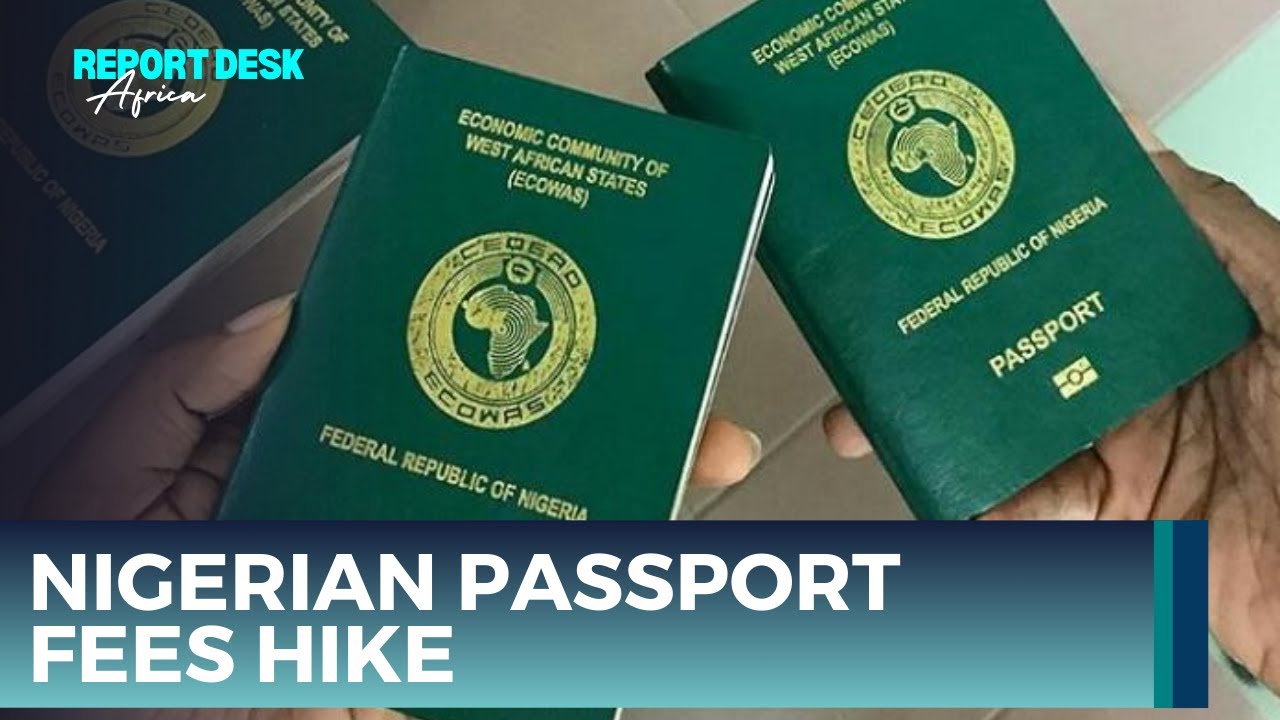
The Nigeria Immigration Service (NIS) has announced a significant increase in the fees for international passports, effective September 1, 2025.
The price of a 32-page booklet with a 5-year validity will double from N50,000 to N100,000, while the 64-page booklet with a 10-year validity will now cost N200,000, up from the previous N100,000.
This increment, according to the NIS, is part of a broader effort to maintain the quality and integrity of the Nigerian passport.
The announcement has ignited a public debate, with many citizens expressing dismay and concern over the timing of the price hike amidst the current economic climate.
Social media platforms have been abuzz with reactions, with some Nigerians lamenting that the government is making it more difficult for citizens to travel, a sentiment often associated with the term “japa,” which refers to the trend of Nigerians seeking opportunities abroad.
Economic analysts and travel experts have weighed in on the development, offering varied perspectives on the implications of the price increase.
Some analysts point out that the hike is a reflection of the current economic reality, particularly the fluctuating exchange rate of the naira against the dollar, as key components for producing the passports are sourced internationally.
READ ALSO: FG clears 200,000 passport backlog, settles ₦28bn debt — Interior Minister Tunji-Ojo
“The government cannot continue to subsidize the cost of passports indefinitely, especially with the current exchange rate,” said a financial analyst who preferred to remain anonymous. “This increase, while painful for the average Nigerian, is a step towards cost recovery and ensuring the service remains efficient and sustainable.”
However, not all experts agree. Other commentators have criticized the decision, citing the lack of public consultation and its potential to disproportionately affect low-income earners.
A travel consultant, who also wished to remain anonymous, stated, “At a time of high inflation and economic hardship, increasing the cost of an essential document like a passport is a huge burden. It raises questions about the government’s sensitivity to the plight of its citizens.”
The consultant also noted that the increase could fuel unofficial charges and corruption at passport offices, a persistent problem that the NIS has been working to combat.
“While the NIS has stated its commitment to transparency, the reality on the ground for many Nigerians is that they often have to pay extra unofficial fees to expedite the process. This price hike could worsen that situation, as desperate applicants might be willing to pay more to avoid delays,” the consultant added.
The NIS has assured Nigerians of its “unwavering commitment to transparency and quality service delivery at all times,” but it remains to be seen how the new pricing regime will impact the demand for passports and the overall application process.


-
 Latest3 days ago
US Immigration fees rise from October 16 as USCIS announces new charges
-

 Football1 week ago
How David Beckham made $51.1m from 2026 World Cup, surpassing winners’ prize
-

 Comments and Issues1 week ago
Fani-Kayode on Atiku: Separating claims from the record
-
 Health6 days ago
COVID-19 Hospital care under scrutiny as US Senate hears patient, family testimonies
-

 Business6 days ago
OpenAI shelves GPT-6.1 astra release over safety concerns
-

 Business3 days ago
Nigeria’s $55bn reserves raise fresh questions over naira value
-

 Latest6 days ago
ADC’s 2027 Strategy: Who are the key players and what are their roles?
-
 Latest1 week ago
El-Rufai continued detention revives debate over opposition, detention, political power