
Business
UK inflation rate hits highest in 30 years

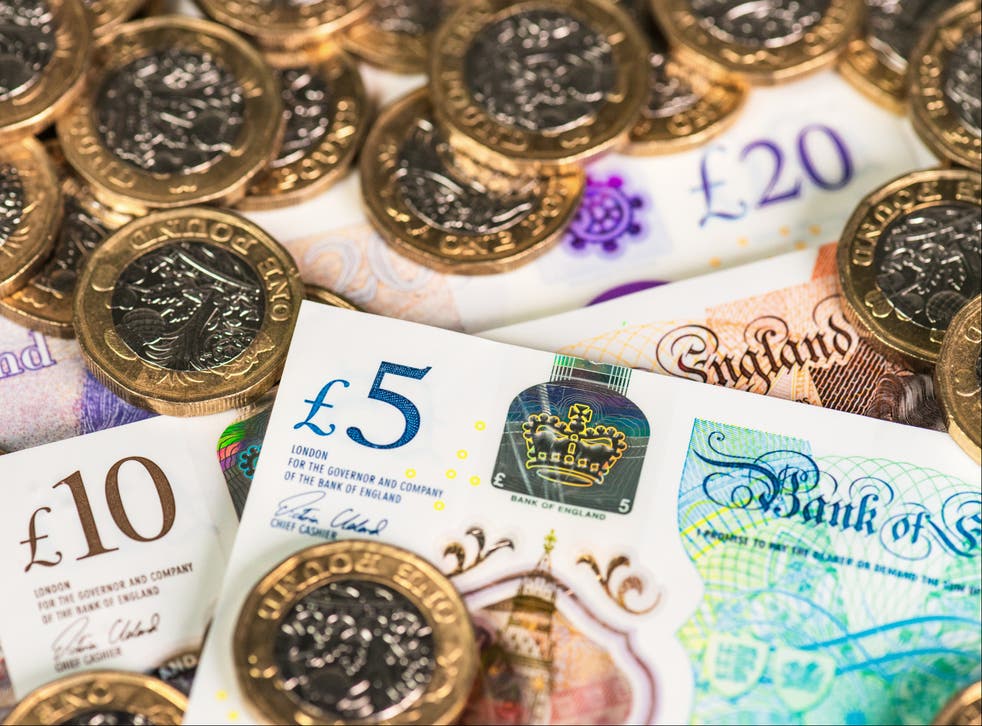
British consumer prices grew at their highest annual rate in over 30 years, putting more pressure on consumers and increasing the chances that the Bank of England would hike interest rates for the third time in a row.
In January, the annual rate of consumer price inflation hit 5.5%, the highest level since March 1992, when Britain was emerging from a long period of inflation-feeding high wage agreements, according to Reuters.
The Bank of England predicted earlier this month that inflation would peak at roughly 7.25 percent in April, when household energy expenses are expected to increase by more than half.
READ ALSO: Four things to know about no-deal Brexit
The United Kingdom is not alone in experiencing a substantial loss of purchasing power. In January, consumer price inflation in the United States reached a 40-year high of 7.5%, while inflation in the eurozone reached a new high of 5.1%.
The Bank of England has hiked interest rates twice since December, to 0.5% from 0.1%, and financial markets forecast another hike on March 17 to 0.75% or 1%.
The rise in inflation in January was due to less holiday discounting by merchants than a year ago, according to the Office for National Statistics.
Clothing and footwear costs grew by a record 6.3% annually, adding 0.2% points to the CPI rate, while food and beverage prices increased by 4.3%, the most since April 2013.
Petrol prices were lower than in December but are still 23.6% higher than a year earlier, while the cost of second-hand cars was 28.7% higher.
READ ALSO: Difference between England, Britain and United Kingdom
Core inflation, which excludes sometimes volatile prices for energy, food, alcohol and tobacco, rose to 4.4% in January from 4.2% in December, its highest since these records began in 1997.
Retail price inflation, which the ONS claims is no longer reliable but is used in business contracts and to set interest payments for some government bonds, reached 7.8% in January, the highest level since March 1991.
Manufacturers raised prices by 9.9%, the most since September 2008. However, the rise in raw material costs for manufacturers moderated marginally, rising by 13.6 percent, down from 13.8 percent in December and a high of more than 15 percent in November.


-
 Latest1 week ago
Israel marks 3 years since October 7 Hamas attack amid Gaza strikes, election debate
-

 Energy7 days ago
Fuel Battle: Dangote, marketers and government clash over petrol imports
-

 Latest2 days ago
Full List: Meet the 2026 Nobel Prize winners across six categories
-

 Football1 week ago
Nigeria’s World Cup exit under spotlight as FIFA’s DR Congo files emerge
-

 Latest1 week ago
US Court set to rule on release of FBI, DEA records on Tinubu
-

 Business1 week ago
Nigerian investors at a crossroads as fixed-income yields slide
-

 Latest1 week ago
Oyo APC crisis deepens as Oluyole reconciliation meeting ends in brawl
-
 Featured6 days ago
103 Million Voters: What does INEC’s new register say about Nigeria’s population?