
Health
Ultra-processed foods linked to higher risk of disease, early death, studies reveal

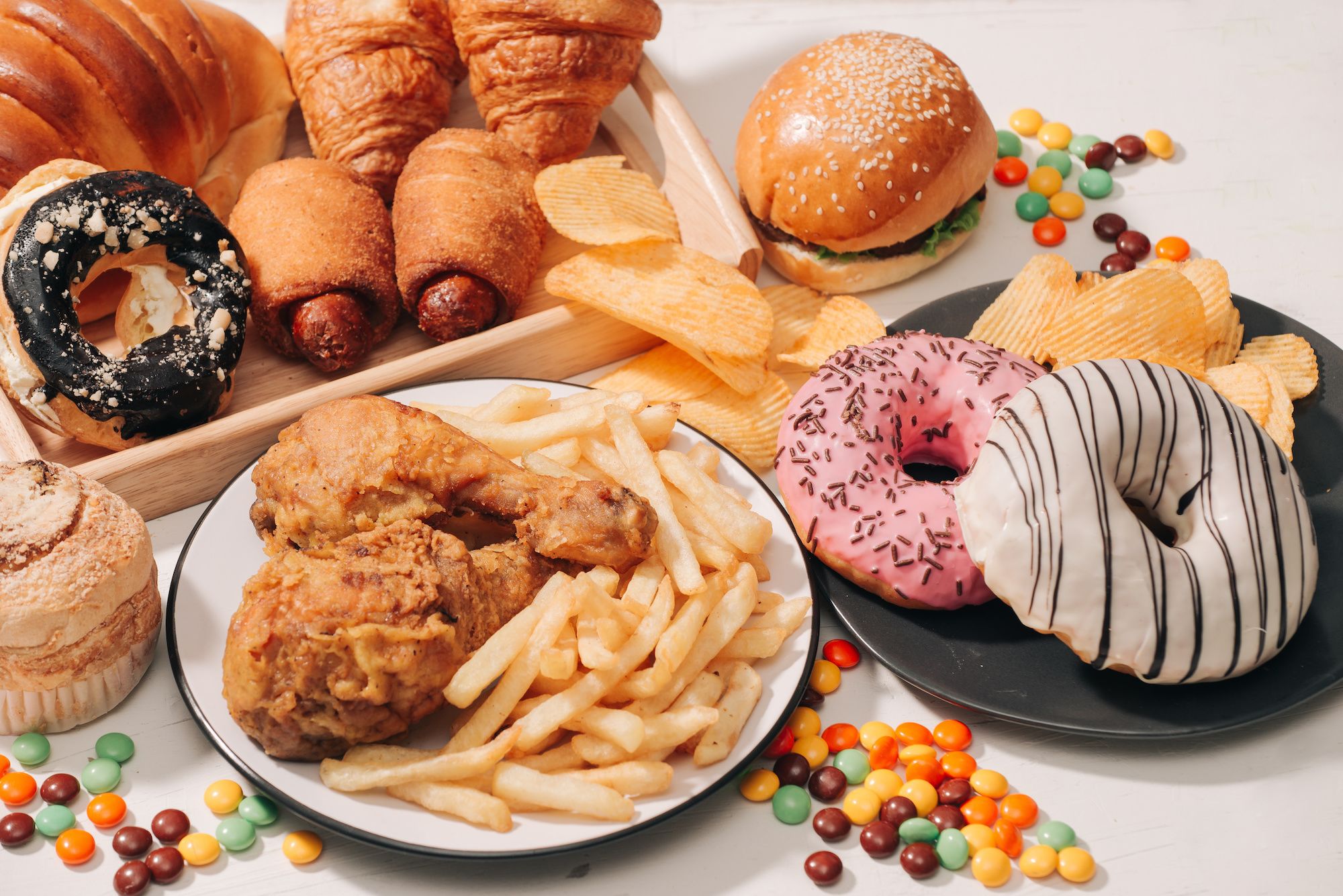
Hundreds of scientific studies provide strong evidence that consuming ultra-processed foods is linked to early death and serious diseases, including cancer, Type 2 diabetes, obesity, cardiovascular disease, Alzheimer’s disease and other forms of dementia, depression, non-alcoholic fatty liver disease and chronic kidney disease.
Common ultra-processed groceries include cookies, sodas and energy drinks, fruit-flavored yogurts, margarine, packaged pastries, plant-based meats and milks, canned soups, frozen meals, sweetened breakfast cereals, granola, energy bars, hot dogs, deli meats and potato chips.
Brands like Nestlé, PepsiCo, Coca-Cola, Unilever, Frito-Lay, Kraft Heinz and Kellogg’s are among the world’s largest manufacturers of ultra-processed foods.
Ultra-processed foods are hyper-palatable, and often contain sweeteners, added salt, and food chemicals. Credit: Anthony Crimarco, Matthew J. Landry and Christopher D. Gardner (Current Obesity Reports)
“Ultra-processed food” describes food products that have been created or altered from their natural state with added sugars or artificial sweeteners, salt, additives, preservatives or other chemicals.
Added sweeteners in particular, including high-fructose corn syrup, sucralose and aspartame, are common in ultra-processed food.
They also often contain additives and preservatives, like food dyes (including Red 40, Yellow 5 and titanium dioxide), sodium benzoate, sodium nitrate and sodium nitrite, brominated vegetable oil, potassium bromate, butylated hydroxyanisole, or BHA, and butylated hydroxytoluene, or BHT.
The United Nations Food and Agricultural Organization defines ultra-processed foods as “formulations of ingredients, mostly of exclusive industrial use, typically created by a series of industrial techniques and processes (hence, ‘ultra-processed’).”
READ ALSO: Former health minister bags 18yrs jail term over $2.1million fraud
The NOVA food classification system is a commonly used framework around the world to categorize processed foods.
Created by researchers at the University of Sao Paulo in Brazil in 2009, the system considers the “physical, biological and chemical processes that occur after foods are separated from nature, and before they are consumed or used in the preparation of dishes and meals.”
In this framework, food is broken into four categories: 1. Unprocessed or in its natural form, 2. Processed with culinary ingredients, 3. Processed foods, 4. Ultra-processed foods.
Research shows that Americans are among those who eat the most ultra-processed food in the world. In 2018, 57% of calories that the average American ate came from ultra-processed foods, up from 53.5% in 2002.
According to a cross-sectional study published in BMJ Open, non-Hispanic white and Black Americans eat the most ultra-processed food in the U.S. Hispanic adults eat less of these foods than other racial demographics.
Younger people, those who are less educated and/or have a lower income tend to eat the most ultra-processed foods.


-
 Latest6 days ago
Israel marks 3 years since October 7 Hamas attack amid Gaza strikes, election debate
-

 Energy5 days ago
Fuel Battle: Dangote, marketers and government clash over petrol imports
-

 Energy7 days ago
Petrol, diesel prices rise 86% in 2026 as costs hit fresh highs
-

 Energy1 week ago
Has Iran lost control of the Strait of Hormuz? Oil flows rebound as war disruptions persist
-

 Football6 days ago
Nigeria’s World Cup exit under spotlight as FIFA’s DR Congo files emerge
-

 Latest6 days ago
US Court set to rule on release of FBI, DEA records on Tinubu
-

 Business6 days ago
Nigerian investors at a crossroads as fixed-income yields slide
-

 Business7 days ago
LoveWorld Trade and Investment Forum to Convene Business Leaders in Accra