
Business
World Bank warns developing countries’ MSMEs face $4tn financing gap

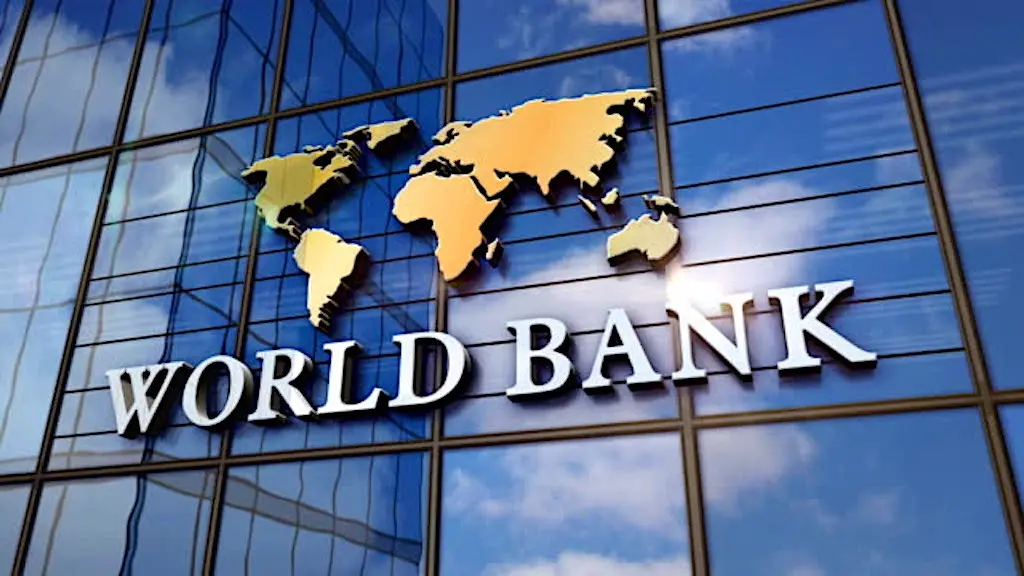
Micro, small and medium-sized enterprises (MSMEs) in developing economies face an annual financing gap of more than $4 trillion, limiting their capacity to expand, increase production and create jobs, the World Bank Group has said.
The warning was highlighted in a statement published on Tuesday, November 17, as the global lender renewed calls for improved access to finance for smaller businesses.
According to the World Bank, MSMEs face four major obstacles to growth: limited digital records that make it difficult for financial institutions to assess their creditworthiness, weak connections to markets and business services, complicated regulatory requirements and inadequate financing.
“MSMEs face four major constraints to growth: they are invisible to financial systems because they lack a digital footprint of their transactions, disconnected from markets and services, burdened by regulatory complexity, and chronically underfinanced,” the World Bank Group’s Vice President for Prosperity, Pablo Saavedra, said.
The financing shortage is significant because smaller businesses play a major role in employment and economic activity across developing countries.
World Bank Group President Ajay Banga said in an October 2026 address that MSMEs account for about 90 per cent of businesses and employ 75 per cent of workers in developing economies.
He warned that without adequate funding and business support, these enterprises would struggle to contribute fully to job creation and economic growth.
The employment challenge is particularly pressing, with about 1.2 billion young people expected to reach working age in developing countries over the next 10 to 15 years. The World Bank estimates that these economies will generate only about 420 million jobs over the same period.
The lender said traditional financing arrangements often disadvantage smaller businesses because banks require collateral, such as property, which many entrepreneurs do not possess.
Lending to small businesses can also be expensive for financial institutions because of the administrative costs associated with processing relatively small loans. In addition, limited transaction records make it difficult for lenders to assess the ability of many businesses to repay.
To address the problem, the World Bank Group is promoting a strategy built around making MSMEs more visible to financial institutions, connecting them to markets and business services, simplifying the regulatory environment and expanding access to funding.
The strategy includes using digital payment records, electronic invoicing and other business transaction data to help lenders assess the financial health of enterprises that lack conventional collateral or extensive borrowing histories.
Banga said fewer than one in three MSMEs in developing countries are digitised, while about 60 per cent of payments are still made in cash, limiting the financial records available to potential lenders.
The World Bank is also encouraging partnerships among governments, commercial banks, financial technology companies and private investors to reduce lending risks and mobilise more capital for small businesses.
The financing gap has important implications for countries such as Nigeria, where MSMEs are a major part of the business environment and provide livelihoods for millions of people. However, the World Bank’s $4 trillion estimate covers developing economies broadly and should not be interpreted as a figure specific to Nigeria.
The lender maintains that improving access to finance, alongside better infrastructure, digital services and simpler regulations, is essential to enabling smaller businesses to grow and support employment.


-
 Featured4 days ago
Nigeria’s youth unemployment paradox: Graduates struggle as millions survive in informal jobs
-
 Business1 week ago
Fuel price: Our eyes on you, FCCPC tells oil marketers
-
 Business4 days ago
Nigerian Banks earn N521.8bn from E-banking, card fees in nine months
-
 Business7 days ago
Petrol import cost drops to N1,164 per litre as crude oil prices decline
-

 Latest6 days ago
2027 elections: Former INEC commissioner warns against ‘Rig and Die’ slogan, says violence undemocratic
-
 Latest7 days ago
2027: Donald Duke offers to step down for consensus opposition candidate
-

 Latest4 days ago
Dalung claims ‘message from Buhari’s grave’ urges Nigerians to vote Atiku in 2027
-

 Energy4 days ago
Nigeria’s power crisis deepens as ₦639bn unpaid gas debt threatens electricity supply