
Business
FG loses N400bn in revenue as vehicle importation drops by 60%

By Odunewu Segun
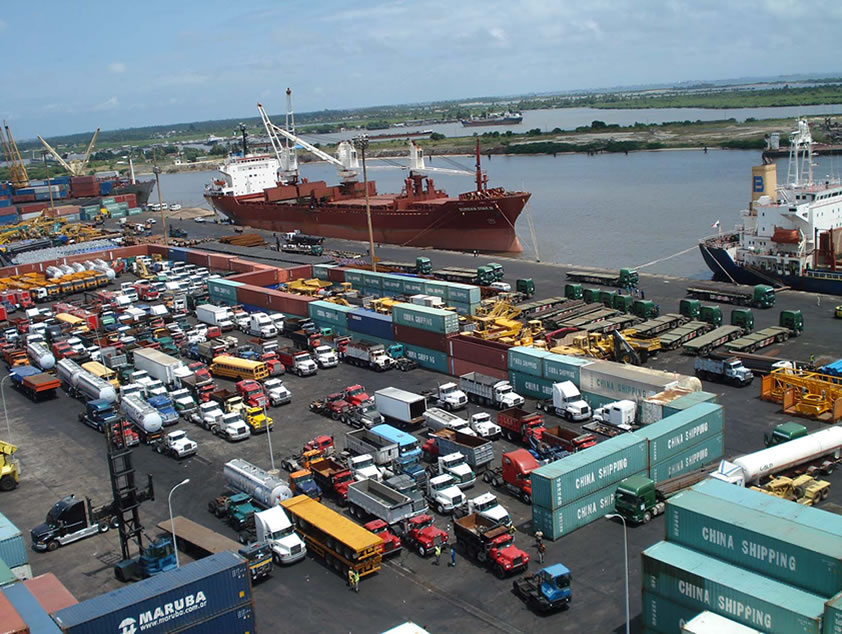
Nigeria is said to be losing around N400bn in revenue as a result of the implementation of the national automotive policy which restricts importation of cars and buses into the country.
According to the Managing Director of Nigeria’s biggest RoRo terminal, Ports and Terminal Multiservices Limited, (PTML), Ascanio Russo, the annual vehicular importation through the country’s ports now stands at only 10,000 units, down from the average figure of 30,000 new vehicles.
He said before 2013, about 700,000 used and new vehicles were imported into Nigeria annually, with the new vehicle figure standing at 50,000 units. But now, the number of vehicles imported through Nigerian ports has gone down by 60 per cent, as more vehicles imported by Nigerians are destined to the Port of Cotonou.
ALSO SEE: Union leader flays airport concession move
“This is the kind of drop in the market. So, from 30,000 to 10,000 units is like two-third of the market just disappeared. So you can imagine what it means in terms of revenue loss, not only for us, because we are a minor player in the whole market. It means loss of revenue for Customs, for NIMASA, for NPA, for FIRS and for all the activities linked to importation of vehicles which are engaged, including such other economies as transport, trading and so on.”
Russo explained that over N300 billion was lost by the government as a result of the huge reduction in the imported vehicles market “I think with the current exchange rate, it is more than that and could be up to N400 billion,” he added.
He noted that since July 2014, when the first phase of implementation of a new tariff regime on imported vehicle began, there has been a significantly progressive drop in vehicular importation into Nigeria through the ports.
“As a result of that there was huge diversion of traffic to Benin Republic. Benin Republic has always been one of the major conduit for vehicles in Nigeria, but after this policy was introduced, it became the most important port for Nigeria for vehicles,” he observed.
Russo said the local automotive industry failed because, the cars being assembled by them remained costly, being new cars and beyond the reach of an average Nigerian.









-
 Latest6 days ago
Israel marks 3 years since October 7 Hamas attack amid Gaza strikes, election debate
-
 Energy6 days ago
Fuel Battle: Dangote, marketers and government clash over petrol imports
-
 Energy1 week ago
Petrol, diesel prices rise 86% in 2026 as costs hit fresh highs
-

 Football1 week ago
Nigeria’s World Cup exit under spotlight as FIFA’s DR Congo files emerge
-
 Energy1 week ago
Has Iran lost control of the Strait of Hormuz? Oil flows rebound as war disruptions persist
-

 Latest1 day ago
Full List: Meet the 2026 Nobel Prize winners across six categories
-

 Latest7 days ago
US Court set to rule on release of FBI, DEA records on Tinubu
-
 Business7 days ago
Nigerian investors at a crossroads as fixed-income yields slide