
Health
How to lower consumption of chemicals in your food – study

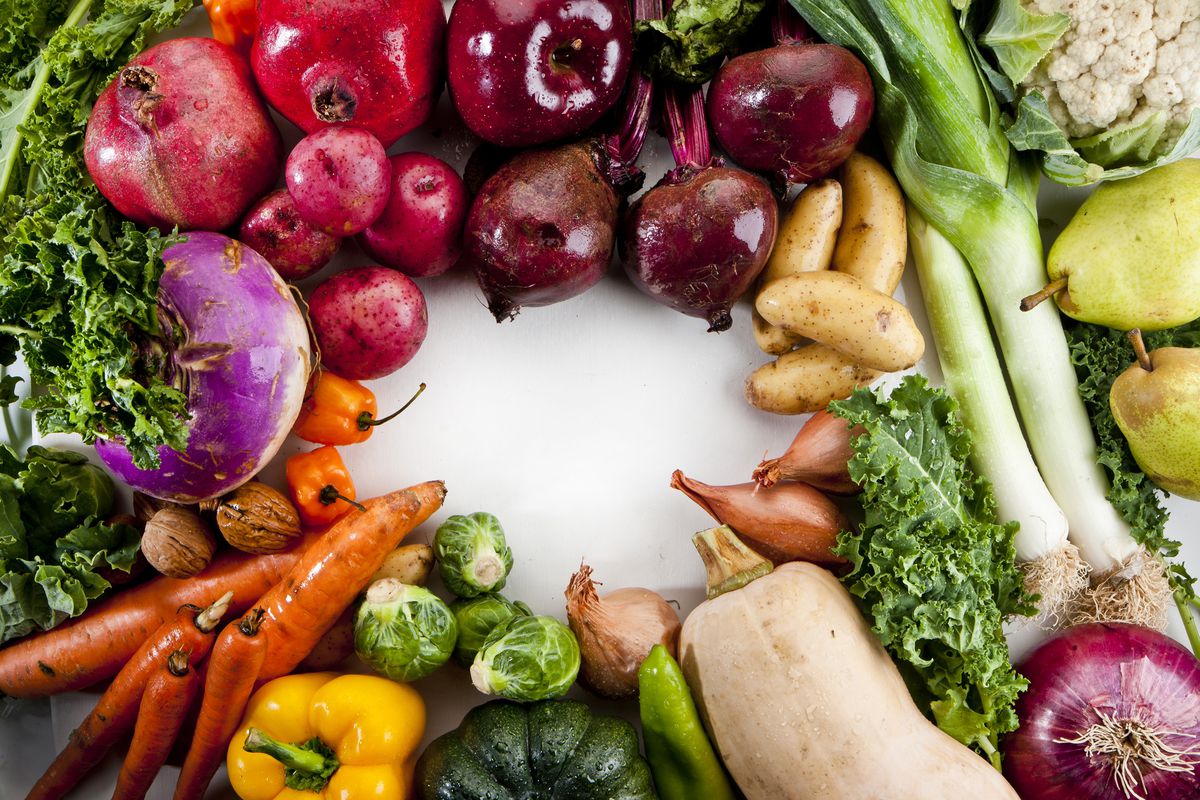
Eating home-cooked meals may be the best way to lower the consumption of chemicals in your food.
A study published in the journal Environmental Health Perspective found that the intake of dietary per- and polyfluoroalkyl substances (PFASs) lowers significantly in home-cooked meals.
In contrast, people who ate out had higher levels of PFASs in their blood. Interestingly, consumption of microwave popcorn was associated with very high levels of PFASs.
PFASs are associated with many health disorders. They are known as ‘forever chemicals’ because they do not break down in the body, staying with us for life. The research was based on data collected by the National Health and Nutrition Examination Survey.
The team used dietary recall data to assess the relationship between the source of food and commonly found PFASs.
Consumption of home-cooked food had a significant inverse association with low levels of all chemicals. Interestingly, women showed a stronger association. Higher PFAS concentrations were observed on the consumption of fast food or restaurant meals.
However, this was found to be of limited statistical significance. The intake of microwave popcorn significantly increased levels of all five chemicals.


-

 Football5 days ago
Banda, Chawinga make 2026 Women’s Ballon d’Or top 30 shortlist
-

 Featured6 days ago
Peter Obi, Makinde and the 2027 elections: Can unity really challenge APC?
-

 Business7 days ago
Nigerian Breweries’ H1 profitability strengthens as revenue hits N804bn
-

 Business6 days ago
Nigeria records N12.59trn trade surplus in Q2 2026 — NBS
-

 Latest7 days ago
Tinubu’s US legal battle: Group questions silence of elder statesmen
-

 Energy4 days ago
Brent crude tops $100: What higher oil prices mean for Nigeria
-

 Trending Stories4 days ago
Davido, Wizkid, Burna Boy or Asake: Who is having the biggest 2026 so far?
-

 Football3 days ago
Premier League releases 2026/27 festive fixtures, 7 matches set for Boxing Day