
Covid-19
Covid-19: 60 inmates infected

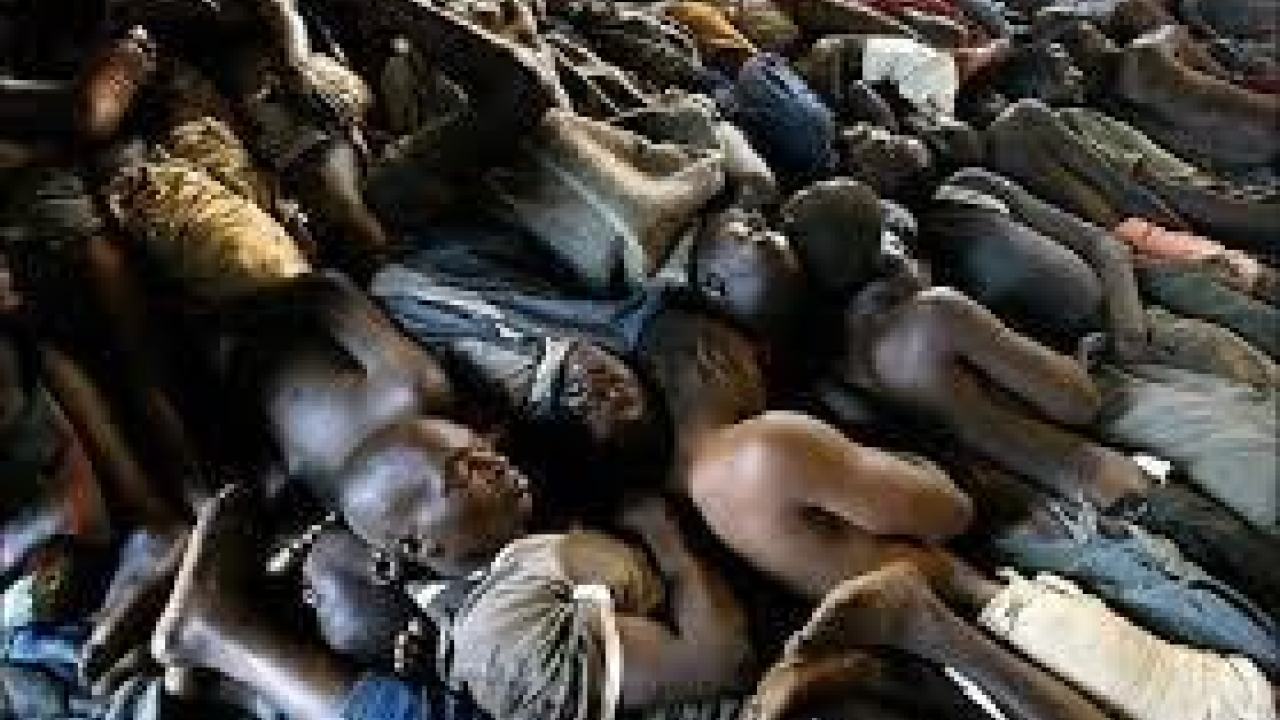
More than 60 cases of coronavirus infections have been recorded in a jail in southern Morocco, mostly among staff, the country’s prisons service said.
The DGAPR agency, in a statement late Monday, said 60 workers and six inmates had tested positive for COVID-19 at the prison in the town of Ouarzazate after checks were carried out on all prisoners.
Nine staff and two inmates had previously tested positive at a jail in the southern city of Marrakesh and in Ksar Kebir, in the north of the kingdom, it said.
The prison service said that cases of contamination in Morocco’s prisons — which hold a total of 80,000 inmates — were under control because of “preventives measures” such as quarantines for workers with the respiratory disease.
At the start of April, more than 5,650 prisoners were released to reduce the risks of the spread of coronavirus, which has cost 144 lives in Morocco and contaminated more than 3,000 people.
Other Middle East and North African countries have also released prisoners, a measure UN human rights chief Michelle Bachelet has called for across the world as part of the fight against the coronavirus pandemic.
Morocco, a country of 35 million, has closed its borders and imposed a lockdown until May 20, enforced by security forces, to stem the spread of the disease.
AFP


-

 Business6 days ago
Abuja gears up for Jetour T2’s rugged-luxury experience
-

 News5 days ago
UK, Canada pledge closer cooperation on trade, defence and AI
-

 Business1 week ago
Nigeria Business Outlook: Dangote IPO, markets, inflation and naira in focus this week
-

 Business1 week ago
Dangote IPO rush crashes Bamboo login as investors flood platform
-

 Business6 days ago
Tinubu’s economic reforms face public confidence test as cost-of-living crisis persists
-

 Business6 days ago
Dangote: Petrol price gap fuels smuggling as Nigeria faces fresh pump price surge
-
Business3 days ago
Dangote Refinery IPO: Can small investors really make money from the shares?
-
 Comments and Issues4 days ago
Wavy fuel prices and deepening cost-of-living crises in Nigeria