
Agribusiness
FCT farmers ready for wet season planting

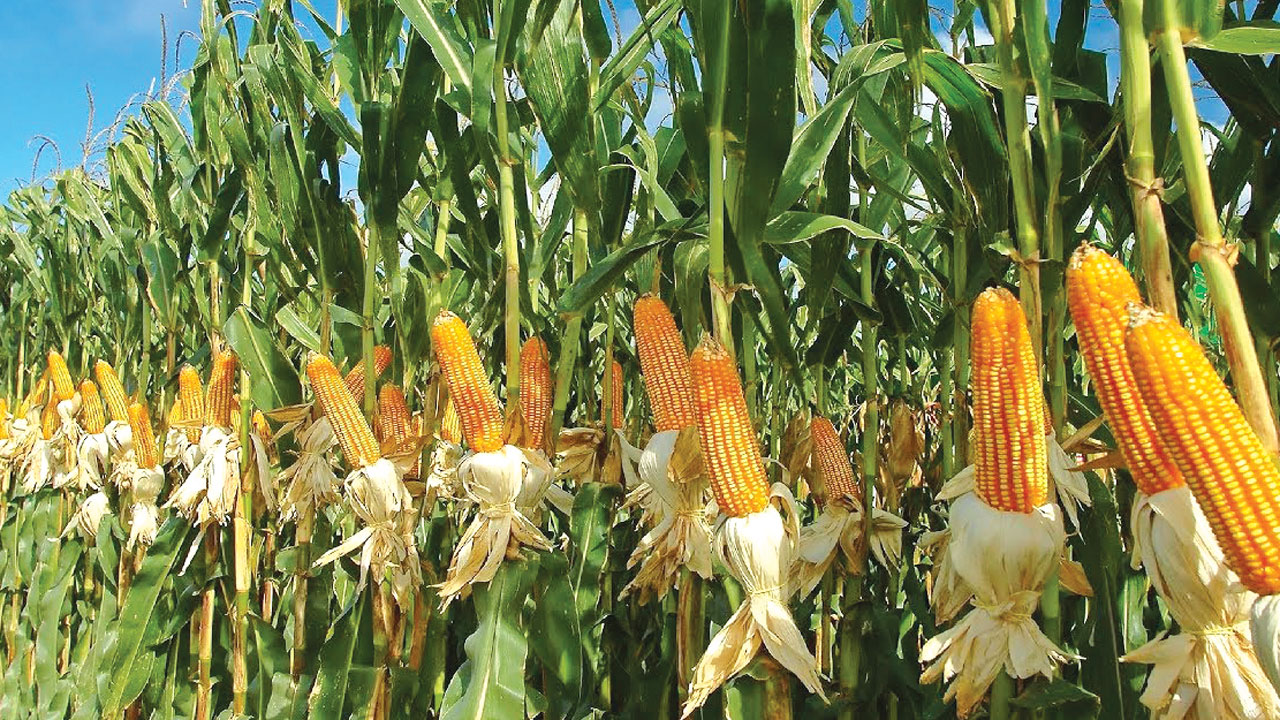
Farmers in the Federal Capital Territory (FCT) on Friday announced that they have cleared their farmlands in readiness for the 2021 planting.
According to them, they will earnestly begin farm work by planting crops suitable for the rainy season which has just commenced.
Some of the farmers, who spoke with the News Agency of Nigeria (NAN) in separate interviews said farmers mostly utilized the wet season, which was usually from April to October for the important exercise.
Malam Musa Isah, a large-scale farmer and father of five, who claimed he trained his children in the university with proceeds from agriculture, said the wet season provided irrigation for farmlands and crops.
Isah said his family members were ready for the planting season and had already planted melons and were waiting for more rainfall to plant crops such as peanuts, cassava, yams, and other tuber crops.
He noted that some crops, like groundnut, yam and other tuber crops, required construction of heaps before planting, as such, farmers needed stable rainfall to provide irrigation for the farmlands.
Yakubu Gbegi, who corroborated Isah’s statement, said that many farmers in the FCT were getting set to plant crops like maize, potato, rice and millet as the rainfall intensified.
“Tomatoes, okro, and other vegetables can also be planted during the season,’’ Gbegi said.
A vegetable farmer, Abubakar Sani, said he was waiting until early June to plant vegetables such as ugwu, spinach, okro and water leaf.
Sani however, said that the problem associated with wet season farming was attacks from pests and worms.
“This is very common to maize, rice, tomato and vegetables,” he said.
Sani added that farmers, who wanted bumper harvest must be ready to spend additional money for pesticides and fertiliser to control the impact of such attacks and boost the outcome of the crops.
He urged farmers to ensure they bought the right and original pesticides to apply on their land and crops so that pests and worms would not wreak havoc.
Mrs Blessing Oladimeji, a female farmer, noted that during the rainy season, weeds grew fast alongside the crops and they must be removed as soon as possible before they affect the growth of the crops.
Mrs Yulda Amos, a smallholder farmer in Kwali Area Council, who has been practising crop production for 15 years, said she had two acres of land she rented from a land owner.
“Some of us hire land for cultivation. I paid N15,000 for each acre. I don’t see it as a waste but as an investment.
“The major problem I face is that of herders. After all my suffering and investment, the herders will not let me enjoy the fruit of my labour,’’ Amos lamented.
She advised farmers to choose their farmlands close to them so as to keep an eye on the farms against herders or other intruders.
Amos added that the security challenge in the country needed to be addressed urgently.


-

 Latest3 days ago
Full List: Meet the 2026 Nobel Prize winners across six categories
-
 Featured1 week ago
103 Million Voters: What does INEC’s new register say about Nigeria’s population?
-

 Football3 days ago
Premier League Matchweek 7: Five Fixtures That Could Shape the Weekend
-

 Features1 week ago
Edo’s 2.5 million vote promise: Can the numbers match the politics?
-

 Business1 week ago
The Ministry of Commerce of Loveworld gets a $1 million boost for new investment fund at LTIF 2026 to promote Trade in Ghana
-

 Latest2 days ago
Umahi defends Lagos-Calabar highway route changes amid public outcry
-

 Business2 days ago
Dangote Refinery IPO Extension: Was the 70% subscription report overhyped?
-

 Latest1 week ago
Nigeria to Ghana: Inside police hunt for Anambra kidnap suspect