
Business
Nigerians lament as cost of cooking gas rises

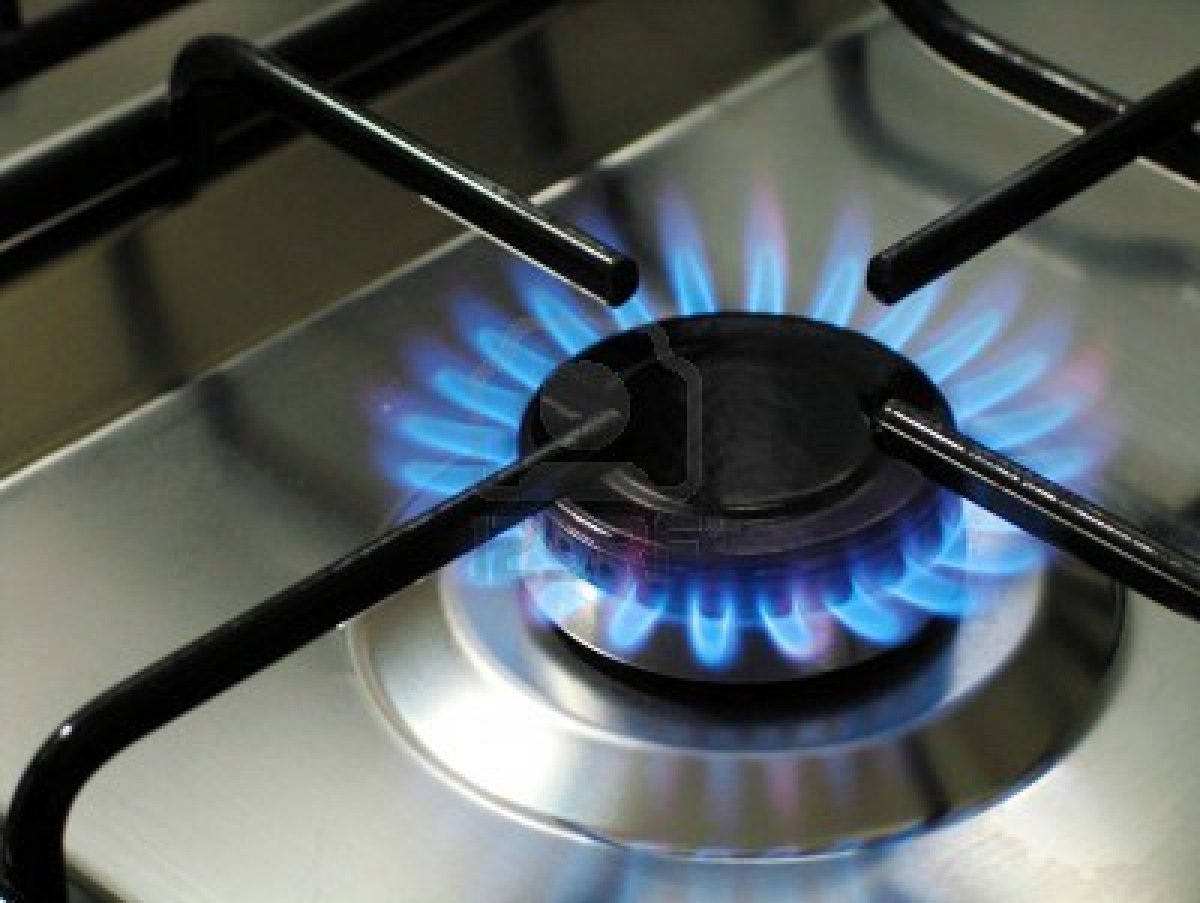
The rising cost of cooking gas in the country is taking its toll on Nigerians as many homes are now resulting in alternative fuel sources despite being in a position to produce sufficient LPG to meet local demand.
Recently, the price of a 12.5kg cylinder of cooking gas jumped to over N5,000 in some parts of Lagos, drawing bitter complaints from domestic consumers who watch helplessly as inflation and other economic realities deal diminishing blows to their purchasing power.
According to Miss Mosunmola Akinola, she has had to return to the use of Kerosene due to the rising cost of cooking gas and inflation.
READ ALSO: Standard Alliance, NIA at loggerheads over non-payment of claims
“At over N5,000 for a 12.5kg cylinder of LPG, cooking gas is becoming gold in Nigeria. Although kerosene is not cheap either, I can at least buy it in small portions daily to meet my needs.
In a similar vein, Kingsley Agbede who operates a restaurant in Ipaja area of Lagos lamented that it is getting increasingly difficult to refill gas cylinders.
“I now switch between my electric burner and my gas cooker. Although the cost of electricity is high, we are still using the old metering system in my compound, so I do more of my cooking with the electric burner to save gas. If they eventually install prepaid meters, I am not sure what I will do. Perhaps I will return to using kerosene if the price of cooking gas continues to go up.”
READ ALSO: CBN outlines timeline for digital currency initiative
“The situation in this country is getting crazier. The government has to do something about the rising cost of commodities. Cooking gas is slipping out of the reach of the average Nigerian and this defeats all their talk on deepening LPG adoption in the country,” says Ibrahim Sote
Omono Okonkowo, a Natural Gas Analyst, cited factors such as lack of sufficient investment in distribution and storage facilities particularly in rural areas, lack of clear cut policies from the government to drive LPG penetration, insufficient stakeholder collaboration, high cost of cooking gas, and the rising insecurity situation in the country as being responsible for the sub-optimal adoption of LPG in Nigeria.
READ ALSO: FCMB gets AfDB’s $50m facility for women-empowered businesses, others
She also stated that some industry players import LPG into the country relying on high parallel market dollar exchange rates that further drives up the cost of cooking gas for end-users, particularly making it unaffordable to low-income earners.
“We have lots of gas but no infrastructure around gas resources,” she stated further. “To reduce imports, adequate investments are needed. Gas suppliers are importing LPG, paying in dollars, and due to inflation this affects retail prices.”
In April this year also, the FG disclosed plans to launch Liquefied Petroleum Gas distribution channels in every local government in Nigeria. Mr Timipre Sylva, Nigeria’s State Minister for Petroleum stated:
Also in April, this year, the FG announced plans to inject 5 to 10 million Liquefied Petroleum Gas (LPG) cylinders into the market by 2022. The Programme Manager, National LPG Expansion Implementation Plan, Mr Dayo Adeshina, disclosed this at a sensitisation workshop on LPG Adoption and Implementation for Industry Stakeholders, in Lagos, stating:
These policies notwithstanding, Nigerians are finding it increasingly difficult to continue buying cooking gas due to its rising cost.


-

 Business1 week ago
Jetour Nigeria, dealers take dashing, other models to Abuja Experience
-

 Business4 days ago
Abuja gears up for Jetour T2’s rugged-luxury experience
-

 Business6 days ago
Dangote IPO rush crashes Bamboo login as investors flood platform
-

 Business6 days ago
Nigeria Business Outlook: Dangote IPO, markets, inflation and naira in focus this week
-

 Business4 days ago
Dangote: Petrol price gap fuels smuggling as Nigeria faces fresh pump price surge
-

 Latest6 days ago
Hamzat meets Pastor Chris Oyakhilome, hails Christ Embassy’s community impact
-

 Business4 days ago
Tinubu’s economic reforms face public confidence test as cost-of-living crisis persists
-
 Business5 days ago
August inflation faces upward pressure despite disinflation trend – Analysts