
Business
Repair delays: Why timely after-sales service matters to car owners

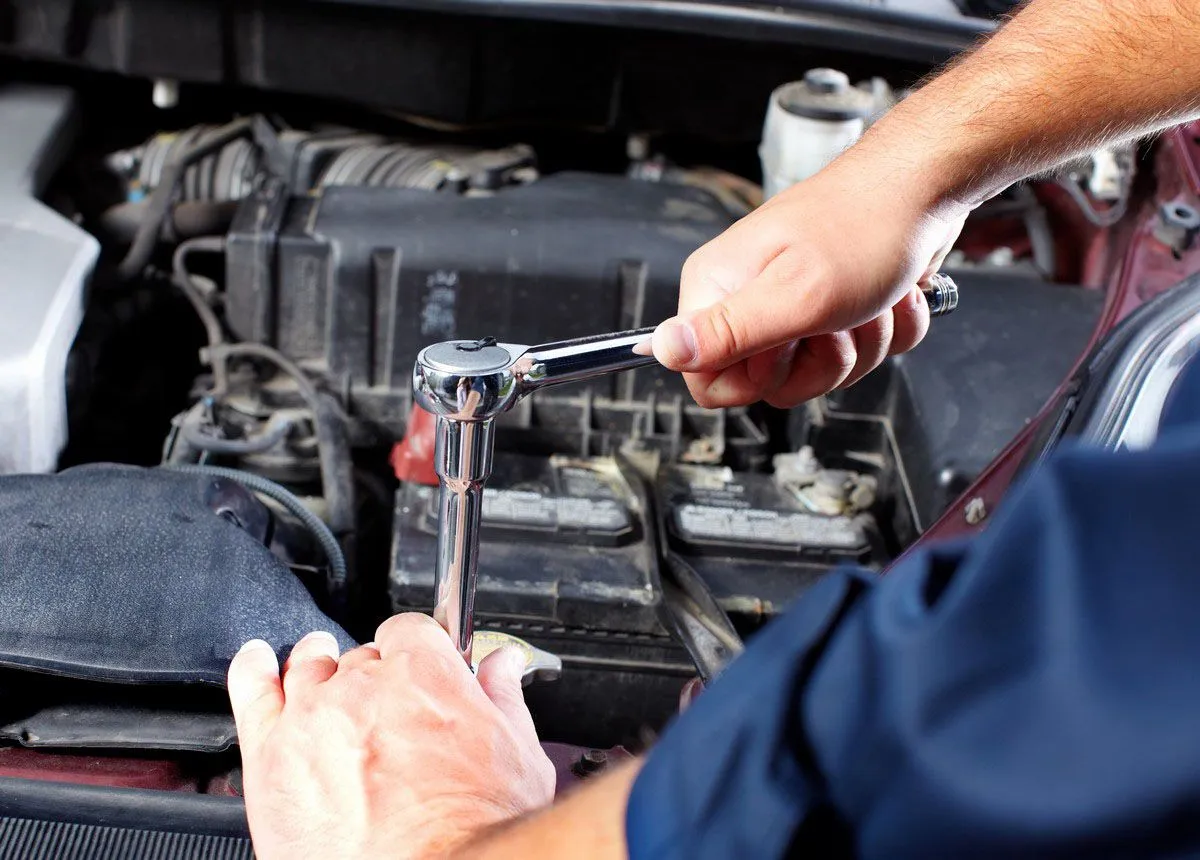
Vehicle owners are increasingly demanding faster repairs, transparent service delivery and reliable after-sales support as prolonged workshop delays continue to disrupt personal mobility and business operations.
Although complex mechanical faults and shortages of replacement parts can make some repairs time-consuming, poor communication and inefficient workshop processes often worsen the experience, raising questions about the quality of after-sales commitments offered by automotive dealers.
Repair turnaround time is therefore emerging as an important measure of customer service in the automotive industry, beyond conventional warranty coverage and routine maintenance.
An efficient repair process requires more than qualified technicians and modern workshop facilities. It involves a coordinated system covering vehicle reception, fault diagnosis, communication of findings, customer approval, spare-parts procurement and timely completion of repairs.
Equally important is keeping customers informed throughout the process. Vehicle owners need realistic timelines and regular updates on the progress of repairs, particularly when unexpected technical challenges or logistical difficulties arise.
The consequences of prolonged repairs can extend beyond inconvenience. Individuals who depend on their vehicles for commuting, family responsibilities and daily activities may face considerable disruption, while businesses could suffer delays in deliveries, logistics, staff movement and revenue generation.
Courtesy vehicles and alternative mobility arrangements can help reduce these challenges, although automotive dealers need to communicate the eligibility requirements and conditions attached to such provisions.
Industry players are consequently being challenged to ensure that their repair commitments are supported by adequate workshop capacity, trained personnel and reliable spare-parts supply chains.
READ ALSO;Fleet downtime: After-sales support emerges as key factor in business performance
While routine servicing and minor repairs may be completed quickly, complex mechanical faults and repairs requiring imported components could take considerably longer. This makes clearly defined repair guarantees essential to managing customer expectations.
One initiative seeking to address this concern is CarlohaCare 6-6-7, an after-sales programme that combines a six-year warranty, six years of free servicing and a seven-day repair promise or guarantee, subject to applicable terms and conditions.
The programme’s seven-day repair commitment introduces an additional dimension to the traditional automotive warranty model by placing emphasis not only on the cost of eligible repairs but also on the period customers may have to wait before regaining access to their vehicles.
This distinction is significant because conventional warranties primarily provide protection against specified repair costs but do not necessarily address the inconvenience and economic implications of extended workshop stays.
By incorporating a repair turnaround commitment into its after-sales package, CarlohaCare 6-6-7 highlights the growing importance of time management and customer convenience in vehicle ownership.
However, the credibility of such guarantees ultimately depends on their implementation, including clearly stated coverage, exclusions, operational capacity and procedures for handling repairs that cannot reasonably be completed within the stipulated period.
For the wider automotive industry, the development underscores the need to expand after-sales investments through improved workshop infrastructure, technician training, spare-parts availability and effective customer communication.
Ultimately, vehicle owners expect more than assurances that mechanical faults will be fixed. They want professional service, transparent communication, predictable repair timelines and confidence that their mobility needs will be taken seriously.
As competition in the automotive market intensifies, the ability of dealers to return vehicles to customers promptly could become a major factor influencing brand loyalty, customer retention and purchasing decisions.


-

 Featured1 week ago
Nigeria’s youth unemployment paradox: Graduates struggle as millions survive in informal jobs
-

 Business1 week ago
Nigerian Banks earn N521.8bn from E-banking, card fees in nine months
-

 Energy1 week ago
Nigeria’s power crisis deepens as ₦639bn unpaid gas debt threatens electricity supply
-
 Featured6 days ago
Tinubu’s Renewed Hope: Reforms, hardship and the unanswered question of a second term
-

 Latest1 week ago
Dalung claims ‘message from Buhari’s grave’ urges Nigerians to vote Atiku in 2027
-

 Featured6 days ago
The cost of Renewed Hope: How Nigeria’s economic reforms are reshaping everyday family life
-

 Latest1 week ago
Ondo shuts ponmo processing centre after discovery of human waste
-

 Crime3 days ago
Kwara bandit deal under scrutiny as footage shows security operatives negotiating with terrorists [VIDEO]