
Covid-19
COVID vaccines no longer effective against infection, says expert

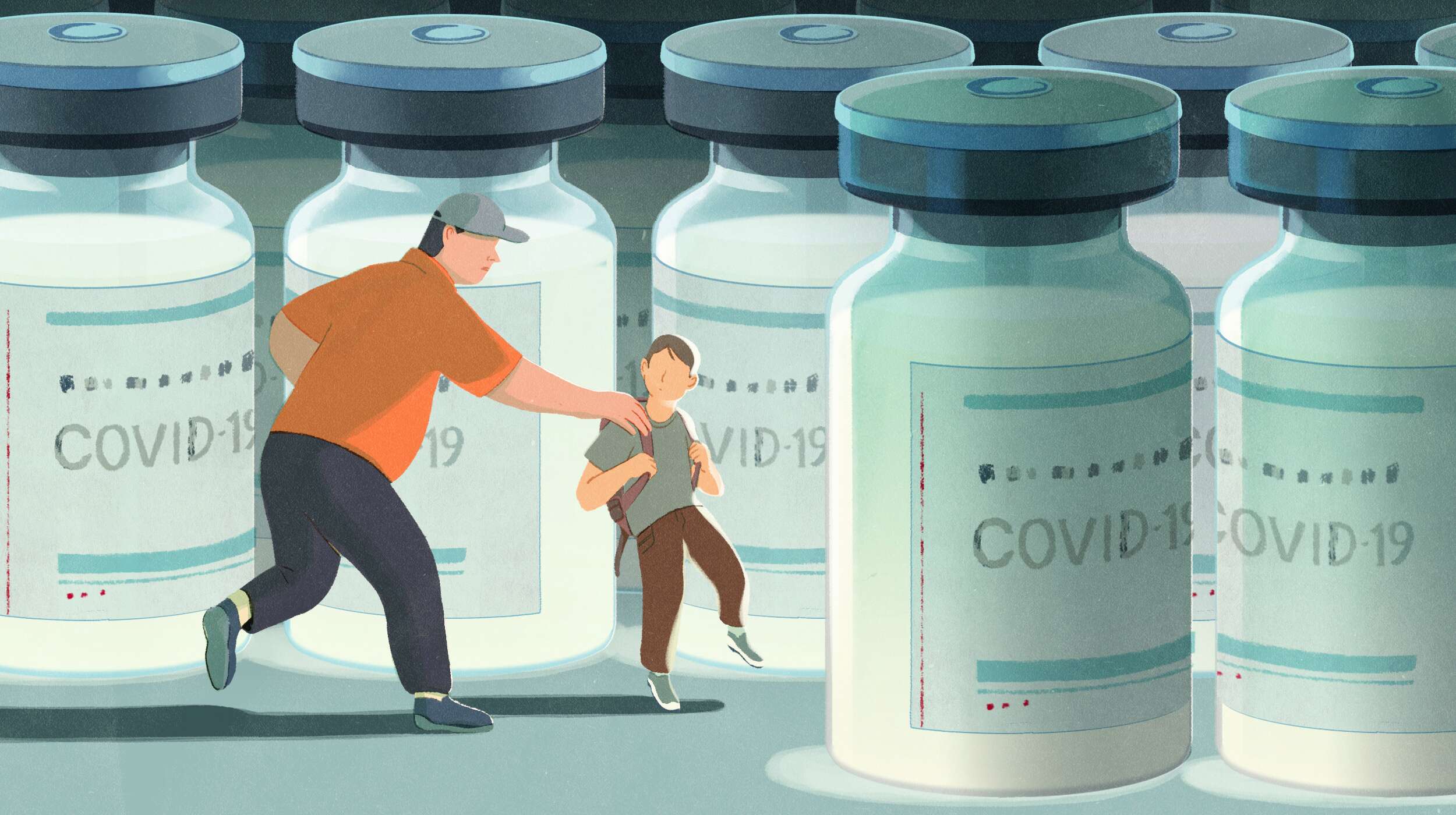
New COVID vaccine data released by the Centers for Disease Control and Prevention (CDC) confirms COVID vaccine effectiveness against infection has decreased over time, and is less effective in combating the Delta variant.
A study by University of Oxford scientists found people who contract the COVID Delta variant after being fully vaccinated carry a similar amount of the virus as those who catch the disease and have not been vaccinated.
The study also found protection was greatest in those vaccinated who already had natural immunity through previous infection.
As COVID—especially Delta variant—surges among fully vaccinated, Brian Hooker, Ph.D., said the more variant deviates from the original sequence used for the vaccine, the less effective the vaccine will be.
READ ALSO: Brazil turns down request to vaccinate children, adolescents with COVID vaccines
The study didn’t differentiate between asymptomatic, symptomatic and severe infections.
Another study used data from 21 hospitals to estimate the effectiveness of Pfizer and Moderna mRNA vaccines against hospitalization over time. Among 1,129 patients who received two doses of a mRNA vaccine, vaccine effectiveness was 86% 2 to12 weeks after vaccination and 84% at 13 to 24 weeks.
The third study, using New York state data, found all three vaccines’ effectiveness against infection dropped from 92% in early May to 80% at the end of July, but the effectiveness against hospitalization remained relatively stable.
Data from the three reports in the CDC’s Morbidity and Mortality Weekly Report, helped convince the Biden administration to recommend booster shots to people eight months after receiving their second dose, despite no completed late-stage clinical trials assessing the safety, efficacy and immunogenicity of a third dose.
Jennifer Nuzzo, an epidemiologist and senior scholar at the Johns Hopkins Center for Health Security, said people need to remember vaccines aren’t force fields. “They don’t prevent infections,” she said. “They train your immune system to respond quickly to infections and hopefully limit the number of cells that get infected. They work to limit infections to prevent severe disease, hopefully to keep people out of the hospital.”
READ ALSO: Actress drops bombshell, advises people not to take COVID vaccines
The study also showed that after two doses of the Pfizer vaccine, effectiveness was at least as great as protection afforded by natural infection — with greater initial effectiveness against new PCR-positives but faster declines in protection against high viral burden and symptomatic infection.
Researchers said there was no evidence effectiveness varied by dosing interval, but protection was higher among those vaccinated who already had natural immunity.
“With Delta, infections occurring following two vaccinations had similar peak viral burden to those in unvaccinated individuals,” the study concluded.
The survey, which has yet to be peer-reviewed before publication in a scientific journal, underscores concerns by scientists that the Delta variant can infect fully vaccinated people at a greater rate than previous variants, and that the vaccinated could more easily transmit it, Reuters reported.


-

 News7 days ago
UK, Canada pledge closer cooperation on trade, defence and AI
-

 Football6 days ago
FULL LIST: Eight stadiums to host 2027 Women’s World Cup in Brazil
-

 Comments and Issues7 days ago
Wavy fuel prices and deepening cost-of-living crises in Nigeria
-

 Business5 days ago
Dangote Refinery IPO: Can small investors really make money from the shares?
-

 Business1 week ago
Tinubu’s economic reforms face public confidence test as cost-of-living crisis persists
-

 Business1 week ago
Dangote: Petrol price gap fuels smuggling as Nigeria faces fresh pump price surge
-

 Business4 days ago
Jetour takes T1 adventure SUV experience to Abuja, targets growing Nigerian market
-

 Latest1 week ago
Court sets 7-day window for Atiku to serve Tinubu in 2027 suit