
Health
Here’s what your body is telling you when you get goosebumps

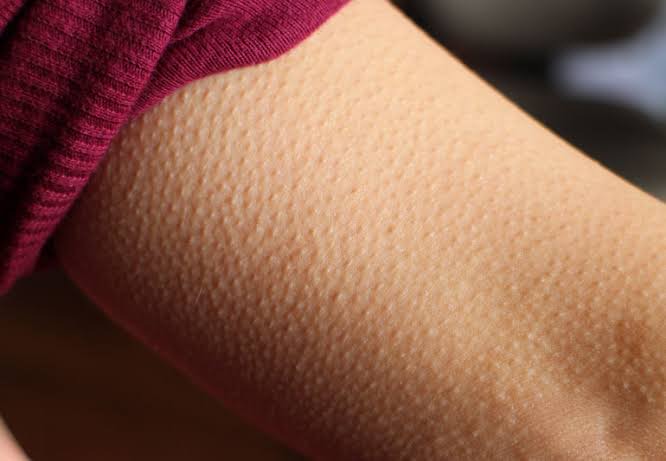
Everyone experiences goosebumps from time to time. It is a common physiological phenomenon that we have inherited from our ancestors. However, the phenomenon was more useful to them than it is to us.
When it happens, the hairs on your arms, legs, or torso stand up straight. The hairs also pull up a little bump of skin, the hair follicle, up with them.
What Are Goosebumps?
Known scientifically as Piloerection, those distinctive bumps on your skin occur when tiny muscles at the base of hair follicles (known as arrector pili muscles) contract, making hair stand on end. It also causes the skin at the base of the follicle to be elevated, which appears as a bump.
The reason for all these responses, is the subconscious release of a stress hormone called Adrenaline, which is kicked off by your sympathetic nervous system, that’s the part of your nervous system responsible for the “fight or flight” response.
So, What’s Your Body Trying To Tell You When Your Skin Starts Popping Goosebumps All Over?
You tend to get goosebumps when:
You’re Cold
This is how goosebumps actually emerged. The reaction is believed to take place in the presence of extremely low temperature. If you get too cold, your brain alerts your body that it should take steps to warm up. Goosebumps are one of those signals. They’re also an attempt to trap warm air next to your skin and let you hold on to your body heat.
You’re Feeling A Surge Of Emotions
When you experience a strong emotion, such as fear, shock, anxiety, excitement or even inspiration, goosebumps can suddenly pop up all over the skin. Your body releases hormones that make the tiny muscles under your skin tighten and your hair stand on end. Furry animals have this reflex, too. It makes them look bigger and scarier when they’re in danger.
Are Goosebumps Ever A Symptom Of A Medical Condition?
In most cases, goosebumps are just a temporary occurrence. However, they may sometimes be a sign of a medical condition. For example, they may be a sign of:
Keratosis pilaris: A harmless and common skin condition that creates the look of goosebumps on the skin for long periods of time.
Autonomic dysreflexia: An overreaction of the nervous system caused by a spinal cord injury.
Temporal lobe epilepsy: A chronic seizure disorder.
Chills: For example, those associated with fevers caused by influenza.


-

 Business1 week ago
Jetour Nigeria, dealers take dashing, other models to Abuja Experience
-

 Business5 days ago
Abuja gears up for Jetour T2’s rugged-luxury experience
-

 Business6 days ago
Nigeria Business Outlook: Dangote IPO, markets, inflation and naira in focus this week
-

 Business6 days ago
Dangote IPO rush crashes Bamboo login as investors flood platform
-

 Business4 days ago
Dangote: Petrol price gap fuels smuggling as Nigeria faces fresh pump price surge
-

 Latest7 days ago
Hamzat meets Pastor Chris Oyakhilome, hails Christ Embassy’s community impact
-

 Business4 days ago
Tinubu’s economic reforms face public confidence test as cost-of-living crisis persists
-

 Business6 days ago
August inflation faces upward pressure despite disinflation trend – Analysts