
Business
Interest rates: MPC maintains status quo

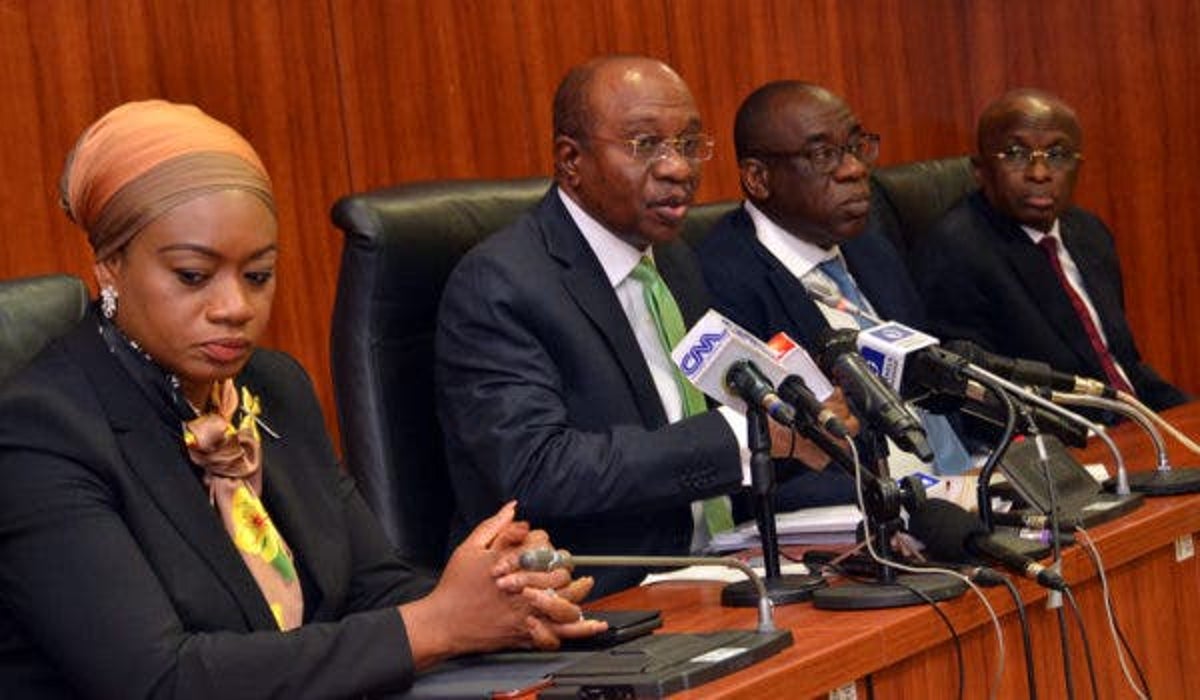
The first MPC meeting for 2022 ended with no dramatic outcomes, as the apex bank stuck to the policy posture maintained all through the preceding year.
The MPR was kept at 11.50%, with an asymmetric corridor of +100/-700 basis points around the benchmark interest rate; CRR was retained at 27.5%; and the Liquidity Ratio was left at 30%.
Since the last MPC meeting in January 2022, there have been noticeable movements in dominant macroeconomic variables.
While acknowledging the trend of economic growth witnessed over the last five quarters, the MPC noted the economic distress posed by global inflationary drivers that have been exacerbated by the crisis in Eastern Europe.
Nonetheless, given the limited ability of monetary policy levers to effectively tame the impact of the convergence of global and domestic inflation forces, the committee sought to sustain its hold approach, albeit with some dissenting voices.
Accordingly, at the end of the two-day bi-monthly MPC meeting, all policy levers were maintained, with six members voting to retain the benchmark rates, three looking to hike rates by 0.25%, while the last member recommended a 0.50% increase.
READ ALSO: CBN introduces cash collection centres for withdrawals, deposits
The MPC’s move to retain its policy posture is predicated on the limited impact of the MPR to assuage worsening inflationary pressures, as well as the committee’s confidence in its balanced policy approach which leverages the relatively high cash reserve ratio and liquidity ratio to moderate liquidity, while simultaneously achieving some level of economic growth.
However, the inability of the committee members to unanimously agree on the direction of the MPR essentially signals a level of hawkishness. On inflation, the MPC’s optimism regarding a sustained moderation in both food and headline indexes may be constricted, as the comfort provided by the CBN’s strategic grain reserves may be dampened by an energy-driven surge in the freight cost of food items, the usual food scarcity seen during planting seasons, and legacy problems that typically disrupt food production and supply.
Looking ahead, the decision by major economies like the U.S. to commence hiking interest rates should eventually compel a similar move from the MPC in subsequent meetings, in order to limit the repatriation of foreign funds that typically succeeds hawkish policy decisions in developed economies.
Already, we saw four dissenting voices in the ten-man committee advocating for an increase in the benchmark interest rates at the just concluded MPC meeting, and we see the position to raise the MPR becoming more compelling as advanced economies sustain their hawkish stance, while local inflation worsens.


-

 Latest3 days ago
Full List: Meet the 2026 Nobel Prize winners across six categories
-
 Featured7 days ago
103 Million Voters: What does INEC’s new register say about Nigeria’s population?
-

 Football3 days ago
Premier League Matchweek 7: Five Fixtures That Could Shape the Weekend
-

 Business1 week ago
The Ministry of Commerce of Loveworld gets a $1 million boost for new investment fund at LTIF 2026 to promote Trade in Ghana
-

 Features1 week ago
Edo’s 2.5 million vote promise: Can the numbers match the politics?
-

 Latest2 days ago
Umahi defends Lagos-Calabar highway route changes amid public outcry
-

 Latest1 week ago
Nigeria to Ghana: Inside police hunt for Anambra kidnap suspect
-

 Business2 days ago
Dangote Refinery IPO Extension: Was the 70% subscription report overhyped?