
Business
Ongoing Russia-Ukraine war ‘ll trigger shocks in Nigeria’s economy soon- LCCI

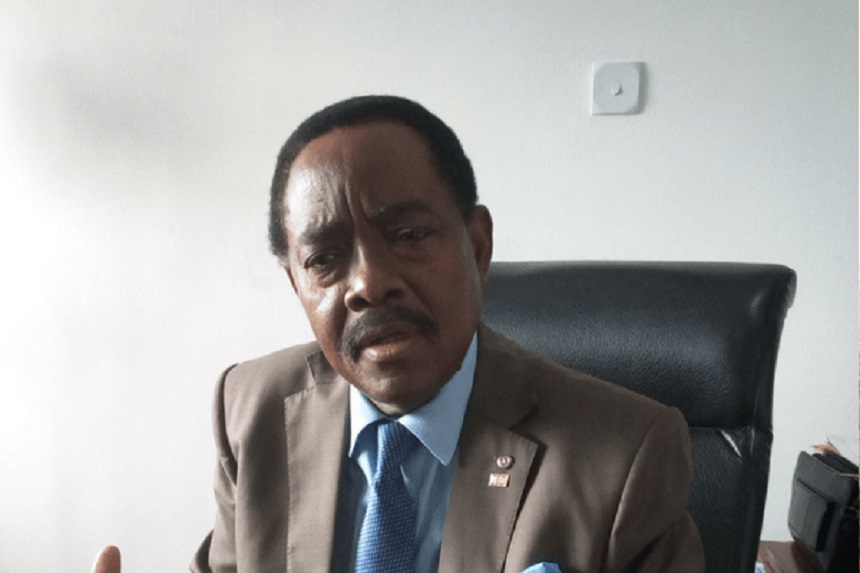
The Lagos Chamber of Commerce and Industry (LCCI) says the ongoing Russia-Ukraine war will trigger shocks in Nigeria’s manufacturing and agricultural sectors in the second quarter (Q2) of 2022.
Speaking at a media parley, LCCI president, Michael Olawale-Cole said the ongoing war triggered a positive oil price shock with spillover effects on operating costs, raw materials, and inflation in countries not directly engaged in the war.
He said Nigeria was not an exception as prices of goods and services were moving northwards with the potential implication of shrinking production of goods and services.
The LCCI president said that if the conditions persist, production volumes would be impacted by the raw materials supply chain disruptions, the rising cost of diesel, and other internal security crises.
READ ALSO: IWD: LCCI seeks gender equality in Nigeria
“Job losses are also very likely due to constrained production and disrupted supply chains, and all of these will likely depress growth potential in Q2 2022,” Olawale-Cole said.
“Going into the second quarter of 2022, the manufacturing sector will likely suffer some shocks from the rising cost of diesel, logistics, foreign exchange illiquidity, domestic inflationary pressure, weakening purchasing power, poor public infrastructure and port-related challenges.
“Additionally, with the war in Ukraine aggravating disruptions to supply chains of raw materials like wheat, barley, soybeans, sunflower, and corn, the rising cost of production may not abate soon.”
Looking forward to the second quarter, Olawale-Cole said Nigerians should expect headline inflation to remain elevated.
This, he said, would be due to supply chain disruptions caused by the Russia-Ukraine war, food supply shocks, FX policies, higher energy costs, FX illiquidity and heightened insecurity in major food-producing states.
READ ALSO: LCCI canvasses better interface between regulatory agencies, SMEs
“We believe a broad-based harmonisation of fiscal and monetary policies toward addressing the identified structural constraints will significantly help moderate inflationary pressure in the short term,” he said.
Olawale-Cole urged the government to adopt the most sustainable solution of boosting local production of food staples to levels that met local demands.
In addition, he asked the government to resolve the lingering fuel supply crises by increasing importation to meet growing demand, which was putting pressure on diesel and fuel prices.
“It has also become imperative now that Nigeria needs to have reserves for these critical commodities to meet sudden crashes in supply,” he said.
“We have always advocated the removal of fuel subsidies and that such rescued funds be diverted to subsidise the production of goods and services in the face of the rising cost of manufacturing.
“The Central Bank of Nigeria (CBN) should embark on easing the economy while keeping a tab on controlling rising prices,” he added.


-

 Features1 week ago
How ADC leadership crisis put Atiku’s 2027 ambition at risk
-

 Energy1 week ago
NNPC plans 5–10% stock market listing, targets 2027 for IPO preparations
-
 Business5 days ago
DisCos urge Minister to end blame game, apologise to Nigerians over blackouts
-

 Health6 days ago
Study links Pfizer COVID-19 vaccine to higher death rates than Moderna shot
-
 Latest1 week ago
2027: No Court rulings can keep me off the ballot, Atiku insists
-

 Latest1 week ago
How internal party disputes could shape the 2027 elections
-
 Business7 days ago
Power supply to improve in 72 hours as FG moves to restore generation – Tegbe
-
 Business4 days ago
Fuel price: Our eyes on you, FCCPC tells oil marketers