
Business
Naira falls to N1,653.02/$1, experts warn of rising economic pressure

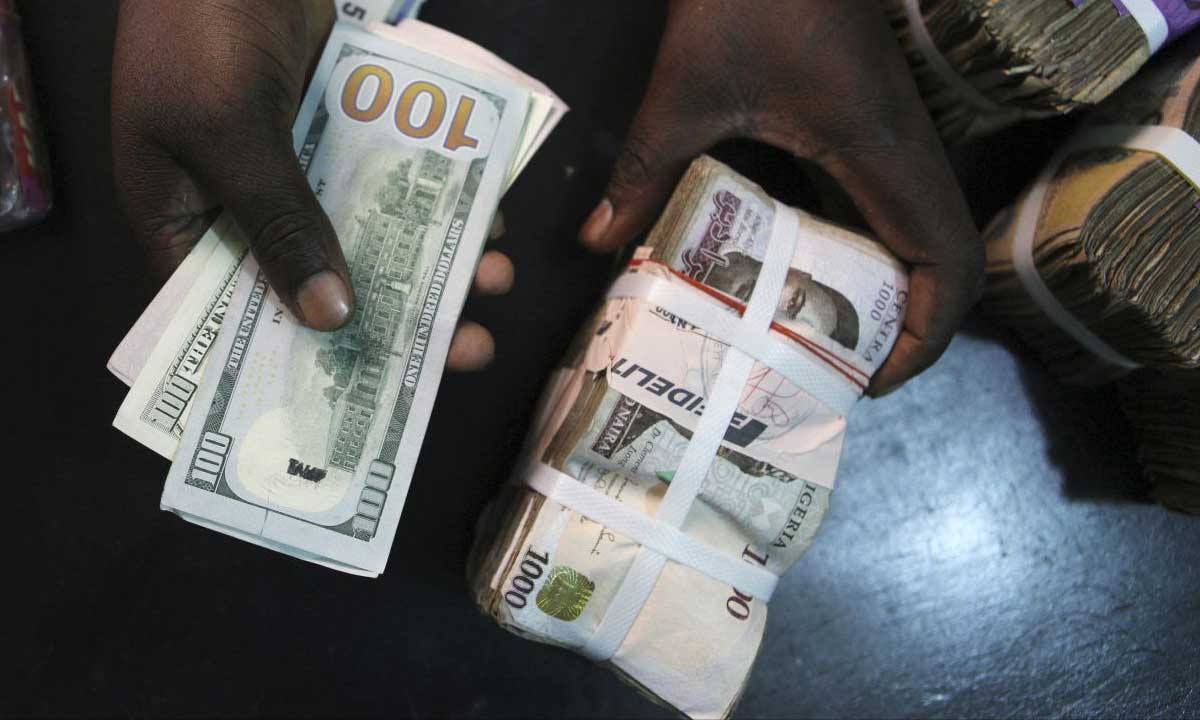
The naira continued its slide against the U.S. dollar in the official foreign exchange market on Tuesday, October 22, 2024, trading at N1,653.02/$1, according to data from the Nigerian Autonomous Foreign Exchange Market (NAFEM).
This marks a depreciation of N49.86 from Monday’s rate of N1,603.16/$1.
While the official market saw the naira weaken, it remained flat in the parallel market, holding steady at N1,725/$1, the same rate as the previous day. Against other major currencies, the naira’s performance was mixed.
It gained N10 against the British pound, trading at N2,250/£1, while losing N10 against the euro, closing at ₦1,860/€1. The currency remained stable against the Canadian dollar at N1,300/CA$1.
Financial analysts attribute the naira’s continued depreciation to a combination of weak foreign exchange reserves, high inflation, and ongoing economic uncertainties.
Chike Obi, an economist at Lagos Business School, warned that the pressure on the naira is unlikely to ease soon without significant intervention from the Central Bank of Nigeria (CBN).
“The sharp drop to N1,653.02/$1 is concerning, especially given the persistent gap between the official and parallel market rates. It reflects underlying supply shortages of dollars and the dwindling confidence in the economy,” Obi said.
READ ALSO: Naira dips to N1,603.16/$1 amid depreciation pressure, experts warn of rising dollar demand
Another expert, Muda Yusuf, CEO of the Centre for the Promotion of Private Enterprise, explained that the declining value of the naira is being exacerbated by limited foreign exchange inflows.
“Foreign investment is hesitant due to the lack of policy clarity, and remittances have not been sufficient to support the naira,” Yusuf stated.
The currency’s weakening against the U.S. dollar poses challenges for businesses and consumers alike, especially with Nigeria’s heavy reliance on imports. With import costs rising, inflationary pressures are expected to increase, further straining households and businesses.
Despite the gain of N10 against the British pound, economists stress that the larger picture points to a vulnerable naira. The currency’s stability in the parallel market, currently at N1,725/$1, offers little relief, as it remains significantly devalued from previous years.
A sustained slide in the naira’s value could lead to higher borrowing costs for the government and worsen Nigeria’s debt profile, cautioned Bismarck Rewane, Managing Director of Financial Derivatives Company.
The CBN has so far struggled to stabilize the currency, and calls for policy reforms continue to grow louder. Experts believe that without bold fiscal and monetary measures, the naira could face further depreciation, deepening Nigeria’s economic woes.


-

 News5 days ago
UK, Canada pledge closer cooperation on trade, defence and AI
-

 Business1 week ago
Abuja gears up for Jetour T2’s rugged-luxury experience
-

 Business6 days ago
Tinubu’s economic reforms face public confidence test as cost-of-living crisis persists
-

 Business6 days ago
Dangote: Petrol price gap fuels smuggling as Nigeria faces fresh pump price surge
-

 Business4 days ago
Dangote Refinery IPO: Can small investors really make money from the shares?
-

 Comments and Issues5 days ago
Wavy fuel prices and deepening cost-of-living crises in Nigeria
-

 Football4 days ago
FULL LIST: Eight stadiums to host 2027 Women’s World Cup in Brazil
-

 Latest6 days ago
Court sets 7-day window for Atiku to serve Tinubu in 2027 suit