
Latest
Ndume opposes proposed VAT increase, cautions against burdening poor

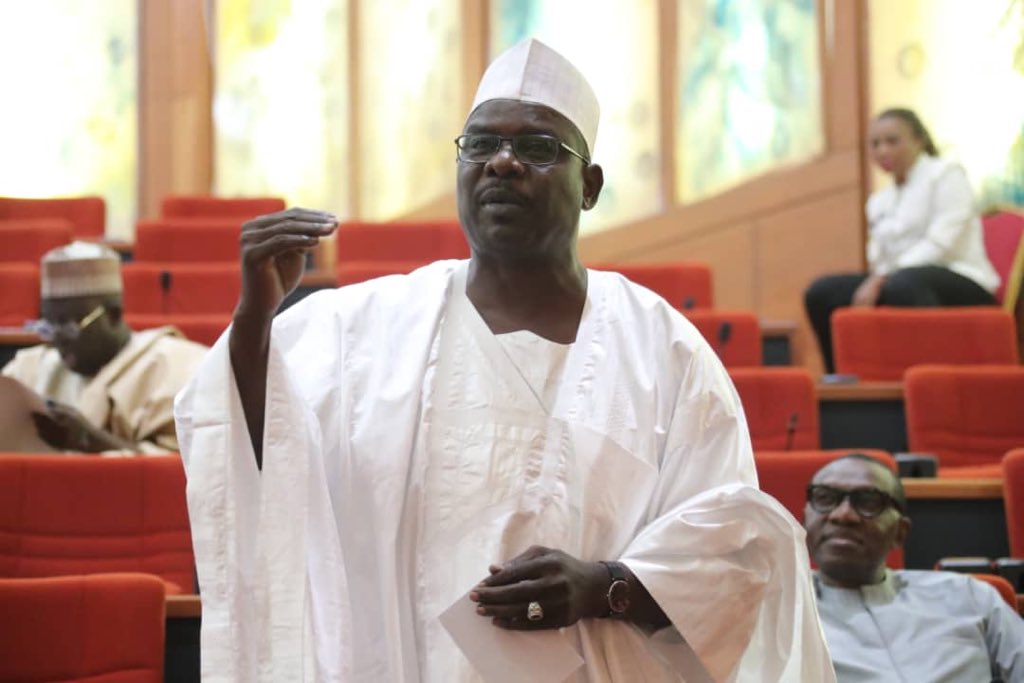
Ali Ndume, the senator representing Borno South, has voiced strong opposition to the federal government’s plans to increase the Value Added Tax (VAT) from 7.5 percent to 10 percent by 2025, with a potential rise to 12.5 percent by 2026 and beyond.
During a recent appearance on the Prime Time program on Arise Television, Ndume emphasized that the government should refrain from imposing additional tax burdens on the already struggling poor and middle-class citizens of Nigeria.
The proposed VAT hike comes at a time when millions of Nigerians are grappling with severe economic challenges, leading Ndume to argue that it is inappropriate to penalize those who are barely making ends meet.
He stressed the need for the government to focus on wealthier individuals and corporations, who can more afford to contribute to tax revenues, rather than targeting vulnerable populations.
READ ALSO: Ndume urges Tinubu to hire mercenaries after deadly Borno attack
“We are almost losing the middle class in Nigeria,” Ndume lamented. “It is either you have it or you do not have it. Those in the middle are being squeezed out.” He further stated, “If Nigerians can pay for those taxes, it is okay. But in the current situation, increasing taxes is not an alternative at all. I will not support any increase in taxes.”
Ndume urged the government to prioritize addressing the economic struggles of its citizens before considering tax hikes. “Let us get things right first. Let people start living and not surviving. Let people have extra income,” he advised.
Highlighting the disproportionate levels of poverty in the northern region, he urged lawmakers to be more considerate when discussing tax increases, stating, “Tax those people who can afford it. Those who can afford the taxes in Nigeria are not even paying for them.”
The senator also expressed his intention to actively campaign against the proposed tax increase, underscoring that the impact of such a measure would not be limited to the north but would affect the average Nigerian.
“I’m not saying people should not pay tax, but don’t tax people that are barely surviving. Let the tax authority concentrate on those that are supposed to pay tax,” he concluded.
This discussion comes against the backdrop of Nigeria facing its worst economic crisis in decades, following a series of reforms introduced by President Bola Tinubu in 2023.
As the National Assembly considers this significant tax proposal, Ndume’s stance highlights the growing concern among lawmakers regarding the impact of taxation on the nation’s most vulnerable citizens.


-
 Latest7 days ago
Israel marks 3 years since October 7 Hamas attack amid Gaza strikes, election debate
-

 Energy7 days ago
Fuel Battle: Dangote, marketers and government clash over petrol imports
-

 Energy1 week ago
Petrol, diesel prices rise 86% in 2026 as costs hit fresh highs
-

 Latest2 days ago
Full List: Meet the 2026 Nobel Prize winners across six categories
-

 Football1 week ago
Nigeria’s World Cup exit under spotlight as FIFA’s DR Congo files emerge
-

 Latest1 week ago
US Court set to rule on release of FBI, DEA records on Tinubu
-

 Business1 week ago
Nigerian investors at a crossroads as fixed-income yields slide
-

 Latest1 week ago
Oyo APC crisis deepens as Oluyole reconciliation meeting ends in brawl