
Business
Naira’s struggles deepen amid rising dollar demand, economic pressures

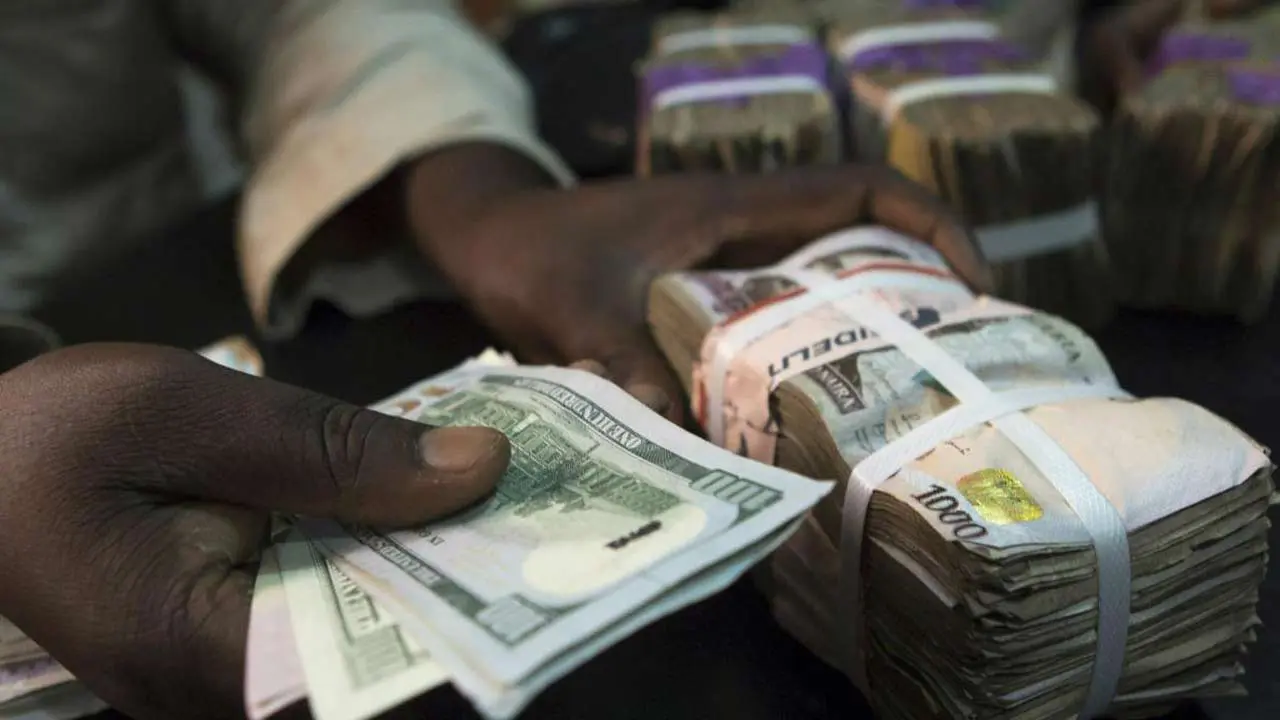
The Nigerian naira continues to face formidable challenges in the unofficial currency market, trading as low as N1,750/$ during midweek trading in Lagos, Nigeria’s financial center.
This comes amidst surging demand for the U.S. dollar and a significant shortfall in supply. Market experts highlight the implications of this trend as Nigeria grapples with multifaceted economic pressures.
According to FMDQ Exchange data, the official market offered some temporary relief, with the naira appreciating by N11.4/$ from Monday’s trading level of N1,690/$.
However, liquidity challenges persist as Tuesday’s total market turnover plummeted from $173.14 million to $128.59 million, signaling tightening conditions that could exacerbate currency depreciation.
Financial analyst Chijioke Nwokoma attributes the persistent weakness of the naira to Nigeria’s low foreign exchange inflows. “
Despite recent interest rate adjustments by the U.S. Federal Reserve, Nigeria’s forex market remains vulnerable. The lack of sufficient oil revenue and foreign direct investments (FDI) continues to hurt liquidity,” he said.
Dr. Aminu Garba, an economist specializing in African financial markets, explains that the high demand for dollars, particularly for purposes like international tuition, fuel imports, and end-of-year expenses, intensifies pressure on the naira.
“There is a structural imbalance between demand and supply in Nigeria’s forex ecosystem, worsened by speculative activities and the shadow economy,” Garba stated.
READ ALSO: Businesses brace for further naira depreciation amid economic uncertainty
The depreciation challenges counter President Bola Tinubu’s reforms aimed at liberalizing currency controls to attract foreign investors.
While this policy shift has been lauded internationally, it led to inflation reaching a 30-year high, placing further strain on household purchasing power and stoking social discontent.
MTN Nigeria’s recent success in raising N75.18 billion through commercial paper issuances exemplifies the tight liquidity environment.
Many businesses, especially those with significant dollar-denominated obligations, are scrambling to minimize their exposure as borrowing in naira becomes increasingly expensive due to the high interest rates.
Despite the Central Bank of Nigeria’s (CBN) efforts to bolster reserves, which now stand at $40 billion—a 32-month peak—the naira has lost approximately 70% of its value since mid-2023.
READ ALSO: Naira weakens further amid dollar scarcity, analysts voice concerns
Analysts like Tunde Shola, a market strategist, argue that without stronger oil production and diversified export growth, gains in forex reserves may offer limited protection.
The interplay between local economic factors and global financial developments is notable. The U.S. dollar index, which measures the dollar against a basket of six major currencies, showed a recent pullback after reaching a 52-week high.
While this brief drop could offer minor reprieve globally, the naira’s decline appears set to continue, especially as technical indicators signal potential dollar strength resumption.
Experts agree that until Nigeria addresses underlying structural issues such as weak FDI, fluctuating oil output, and inflationary pressures, the naira will remain vulnerable to external shocks.
The CBN’s decision to adopt a freer float has opened opportunities for market-driven adjustments but has also highlighted deep-rooted inefficiencies that need strategic solutions.
Dr. Garba recommends policy measures to improve export competitiveness and curb excessive demand through targeted interventions.
“To stabilize the naira, the government must align fiscal policies with sustainable development goals and actively engage in boosting investor confidence,” he concluded.


-
 Latest6 days ago
Israel marks 3 years since October 7 Hamas attack amid Gaza strikes, election debate
-

 Energy6 days ago
Fuel Battle: Dangote, marketers and government clash over petrol imports
-

 Energy7 days ago
Petrol, diesel prices rise 86% in 2026 as costs hit fresh highs
-

 Energy1 week ago
Has Iran lost control of the Strait of Hormuz? Oil flows rebound as war disruptions persist
-

 Football7 days ago
Nigeria’s World Cup exit under spotlight as FIFA’s DR Congo files emerge
-

 Latest6 days ago
US Court set to rule on release of FBI, DEA records on Tinubu
-

 Business7 days ago
Nigerian investors at a crossroads as fixed-income yields slide
-

 Business1 week ago
LoveWorld Trade and Investment Forum to Convene Business Leaders in Accra