
Business
Tinubu’s fresh $2.2bn loan bid: Experts warn of debt sustainability risks

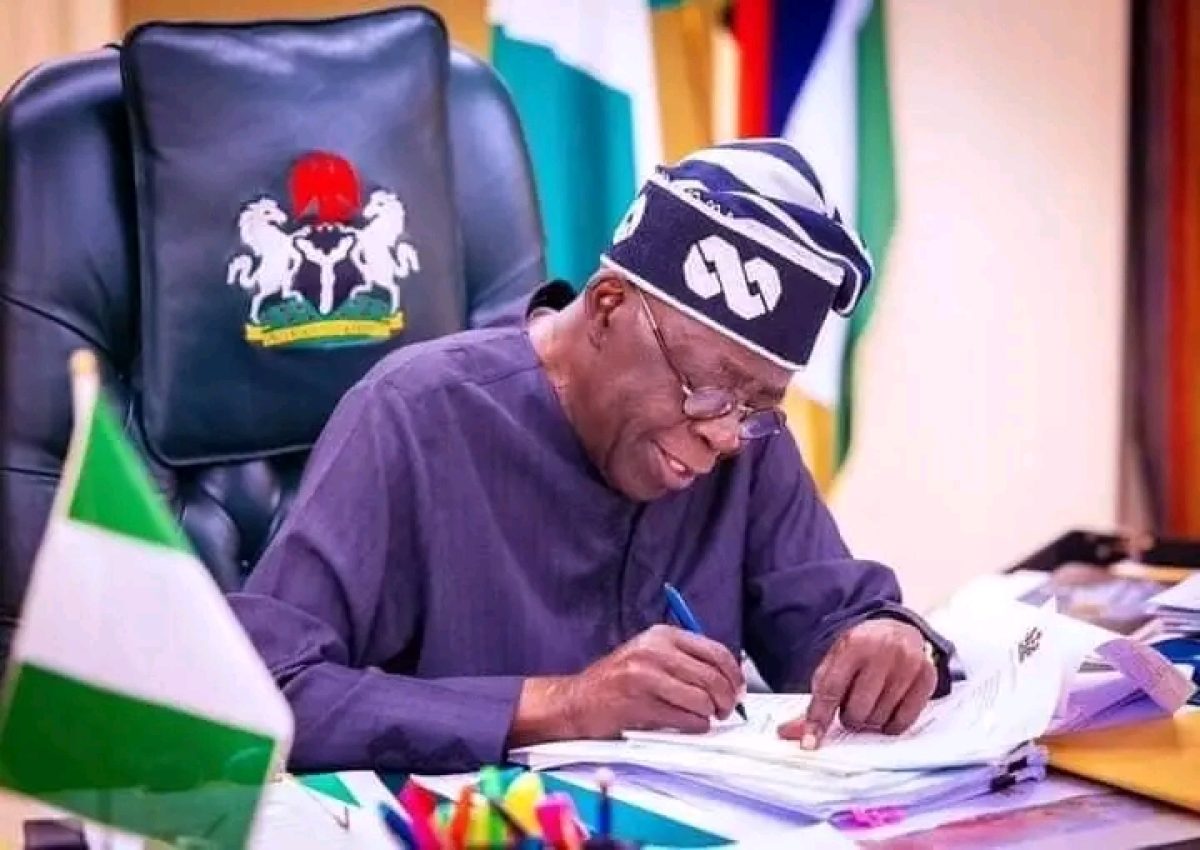
President Bola Tinubu has secured approval for a fresh $2.2 billion loan, raising debates over its potential to address fiscal challenges or deepen Nigeria’s debt crisis.
The loan, sourced from multilateral agencies, is aimed at bridging funding gaps for critical infrastructure and social programs. However, experts warn of significant risks tied to Nigeria’s rising debt profile.
The government disclosed that the loan will fund initiatives in infrastructure, agriculture, and renewable energy, with a portion allocated to support social welfare programs under Tinubu’s economic recovery strategy.
A Ministry of Finance official described the move as essential to addressing Nigeria’s financial constraints, especially in light of falling oil revenues and surging fiscal deficits.
Despite these justifications, economists are raising alarms over the loan’s implications for an already strained economy.
Nigeria’s public debt has ballooned in recent years, with the Debt Management Office (DMO) estimating the total at over N87 trillion as of Q3 2024. The addition of $2.2 billion (approximately N1.6 trillion) could exacerbate concerns over the sustainability of the country’s debt servicing capacity.
Financial expert Dr. Bismarck Rewane, CEO of Financial Derivatives Company, remarked:
“The problem isn’t borrowing but what we borrow for and how effectively we utilize it. If this loan is channeled into productive investments, it can stimulate growth. However, misuse or mismanagement will deepen our fiscal vulnerabilities.”
Nigeria already spends over 70% of its revenue on debt servicing, leaving little room for critical public expenditure. Analysts fear the new loan may push this figure higher, reducing the government’s ability to fund essential services like education and healthcare.
“The rising debt-to-GDP ratio is a warning signal,” said Professor Pat Utomi, a political economist. “Without significant growth in revenue, additional borrowing will only defer financial reckoning.”
Proponents of the loan argue that if well-managed, the funding could boost infrastructure development and attract foreign investment.
The government has prioritized infrastructure projects, including road networks, railways, and renewable energy systems, to stimulate economic growth and create jobs.
READ ALSO: External debts incurred by Nigerian Presidents 1979 – 2024
Economic analyst Muda Yusuf highlighted this potential: “If invested strategically, this loan can catalyze growth sectors and improve Nigeria’s investment climate. But implementation and transparency are critical.”
The loan comes as part of Tinubu’s broader economic reform agenda, which has included the removal of fuel subsidies and the unification of exchange rates. While these policies aim to enhance fiscal stability, they have also contributed to short-term inflationary pressures, raising the cost of living for Nigerians.
Experts argue that the success of the $2.2 billion loan depends on complementary policies to improve revenue collection, curb corruption, and ensure accountability in public spending.
The announcement has drawn mixed reactions from Nigerians. Civil society organizations have called for greater transparency, urging the government to disclose the terms and conditions of the loan.
Opposition parties, meanwhile, criticized Tinubu’s administration for what they described as reckless borrowing.
“Nigeria cannot borrow its way out of economic challenges,” said Peter Obi, leader of the Labour Party. “We must focus on increasing domestic productivity and cutting waste.”


-

 Crime6 days ago
Kwara bandit deal under scrutiny as footage shows security operatives negotiating with terrorists [VIDEO]
-

 Business4 days ago
NGX loses N3trn in three days as Dangote Cement, Aradel, Banks lead sell-off
-
 Latest4 days ago
Tinubu’s 2027 re-election bid: New promises, old questions and an unfinished record
-
 Latest4 days ago
2027: Dele Momodu predicts Peter Obi will defeat Soludo’s Tinubu mobilisation in Anambra
-

 Latest7 days ago
2027 Elections: 66% of Nigerians feel no connection to political parties, 89% fear vote-buying – Survey
-

 Football6 days ago
Argentine teen footballer Abel Nunez dies after suffering head injury during match
-
 Football4 days ago
Infantino hails Oborevwori over Warri Stadium remodelling, eyes major FIFA events
-

 Football5 days ago
Osimhen doubtful for Beşiktaş derby as Galatasaray fear injury setback