
News
Inside the Trump administration’s student visa crackdown — Who’s being affected and why

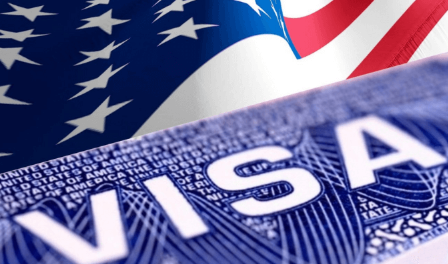
A sweeping and largely unexplained crackdown on international students has sparked alarm across U.S. universities, with dozens of students on F-1 and J-1 visas reportedly having their immigration status revoked without clear cause.
According to an NBC News investigation, students in at least 32 states have been affected, with some detained by plainclothes federal officers and others learning about their visa status only through internal university checks.
The revocations appear to be linked to a broad set of criteria, including past legal infractions, social media posts, and political activism—particularly around pro-Palestinian movements.
“It’s just part of their whole plan about reducing immigration entirely,” said Jath Shao, a Cleveland-based immigration attorney.
“They come after the small and the weak — people who don’t have as many resources to defend themselves.”
High-Profile Institutions Impacted
Prestigious universities like Stanford, Tufts, and Columbia have seen their students impacted. In many cases, schools were not directly informed by immigration authorities, instead discovering the cancellations through internal systems or after students were detained.
Notable cases include:
-
Mahmoud Khalil, a Columbia University student and vocal pro-Palestinian activist
-
Rümeysa Öztürk, from Tufts University, similarly active in political causes
-
Doğukan Günaydın, a University of Minnesota student flagged for a prior DUI
US Citing Old Statutes, Modern Critics
Officials are reportedly invoking a rarely used 1952 statute that allows visa revocation based on “potentially serious adverse foreign policy consequences.” Critics argue this vague standard is ripe for abuse and disproportionately targets nonwhite, politically active students.
Secretary of State Marco Rubio, defending the policy, was quoted saying:
“It might be more than 300 at this point. We do it every day. Every time I find one of these lunatics, I take away their visas.”
Legal and academic voices have pushed back hard.
ALSO READ : Man, 39, docked for alleged N560,000 theft
“U.S. immigration policy seems to be driven by xenophobia, white nationalism, and racism right now,” said Elora Mukherjee, a professor at Columbia Law School.
“We are at the brink of a breakdown in the rule of law and the immigration space.”
Mukherjee emphasized that despite the broad discretion allowed in immigration matters, students still retain due process rights, and urged schools to take an active role in defending their international students.
“The school should try to help the kids as much as they can,” echoed Jath Shao.
Universities Under Pressure
Many institutions are now scrambling to support affected students, reviewing internal databases and legal resources.
The revocations come at a time when the U.S. is facing increased scrutiny over its immigration policies, particularly in the context of global unrest and rising political polarization.
With over 1 million international students currently in the U.S., the ripple effects of these revocations are far-reaching—not just legally, but economically and diplomatically as well.








-

 Football5 days ago
Banda, Chawinga make 2026 Women’s Ballon d’Or top 30 shortlist
-
 Featured5 days ago
Peter Obi, Makinde and the 2027 elections: Can unity really challenge APC?
-

 Business6 days ago
Nigerian Breweries’ H1 profitability strengthens as revenue hits N804bn
-
 Business6 days ago
Nigeria records N12.59trn trade surplus in Q2 2026 — NBS
-
 Latest6 days ago
Tinubu’s US legal battle: Group questions silence of elder statesmen
-

 Energy4 days ago
Brent crude tops $100: What higher oil prices mean for Nigeria
-
 Latest6 days ago
Akpabio courts northern youths for Tinubu’s reforms ahead of 2027
-
 Featured6 days ago
2027: Rivers ADC fires back at Wike, says boasts won’t decide elections