
Features
Obi’s US speech sparks heated debate among Nigerian leaders, citizens
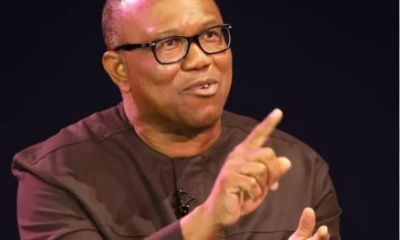
Former presidential candidate Peter Obi’s comments at Johns Hopkins University, highlighting Nigeria’s economic decline, have triggered a wave of reactions from prominent Nigerian figures, including Governors Sanwo-Olu and Soludo, and public analyst Reno Omokri, leading to a national debate on patriotism, leadership, and economic policy.


Peter Obi’s recent address at Johns Hopkins University in Baltimore, Maryland, USA, where he criticized Nigeria’s economic trajectory and rising poverty levels, has ignited a firestorm of reactions from prominent Nigerian leaders and citizens alike.
Obi’s speech, delivered on April 24, 2025, compared Nigeria’s economic decline to the progress of China and Vietnam, emphasizing the need for strong political leadership focused on human capital development.
Governor Charles Soludo of Anambra State echoed Sanwo-Olu sentiment on X (formerly Twitter), stating, “Poverty more than doubled under Peter Obi, with over 50% of Ndi Anambra living in poverty during his tenure. Go and verify.”
Public analyst Reno Omokri also joined the chorus of criticism, accusing Obi of hypocrisy.
Omokri shared a photo of Obi distributing cash during an election period and argued that Obi’s “de-marketing” of Nigeria abroad was a disservice, particularly given the youth support he enjoys.
He also accused Obi of contributing to divisive politics.
The reactions from ordinary Nigerians were equally diverse.
Ogunniyi Olusegun praised Omokri, agreeing that Obi’s speech were damaging.
Faloye Oludare criticized Obi for implying Nigerian youths were susceptible to bribery.
Oludayo Alabi, however, accused Omokri of hypocrisy, highlighting the worsening economic conditions under the current administration and questioning Omokri’s shift in stance.
ALSO READ : US report blasts Nigeria’s corruption as major barrier to trade, investment
An editorial in The Daily Courier provided a more nuanced perspective, acknowledging the accuracy of Obi’s poverty statistics but cautioning against simplistic comparisons with China, Indonesia, and Vietnam.
The editorial emphasized that Nigeria’s problems are systemic, requiring institutional reforms beyond mere leadership changes.
It criticized Obi’s speech for lacking detailed policy proposals and stressed the need for sustainable development through long-term policy and institutional strengthening.
The editorial concluded that Nigeria’s poverty crisis demands structural transformation and a shift from personality-driven politics to a focus on consistent policy and human capital investment.
The debate ignited by Obi’s speech underscores the complex interplay between patriotism, leadership, and economic policy in Nigeria, highlighting the nation’s urgent need for systemic reforms and sustainable, inclusive development









-
 Features7 days ago
How ADC leadership crisis put Atiku’s 2027 ambition at risk
-
 Energy7 days ago
NNPC plans 5–10% stock market listing, targets 2027 for IPO preparations
-

 Business1 week ago
LoveWorld Expo 2026 to showcase global innovations, emerging technologies in Lagos
-
 Business4 days ago
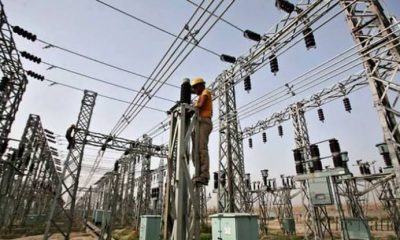
DisCos urge Minister to end blame game, apologise to Nigerians over blackouts
-
 Latest7 days ago
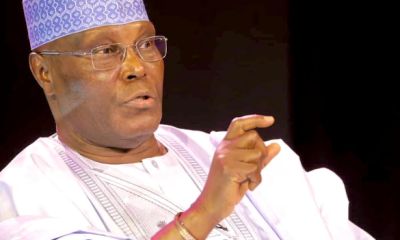
2027: No Court rulings can keep me off the ballot, Atiku insists
-
 Latest1 week ago
NDC faults Tinubu’s $7.7bn external loan request, raises debt concerns
-
 Latest1 week ago
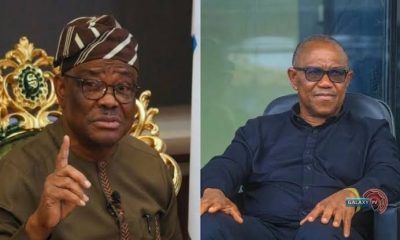
2027: Wike declares Obi’s political wave dead, dismisses chances of presidential victory
-

 Health5 days ago
Study links Pfizer COVID-19 vaccine to higher death rates than Moderna shot