
Business
Nigerians feel squeeze as inflation, low spending power persist

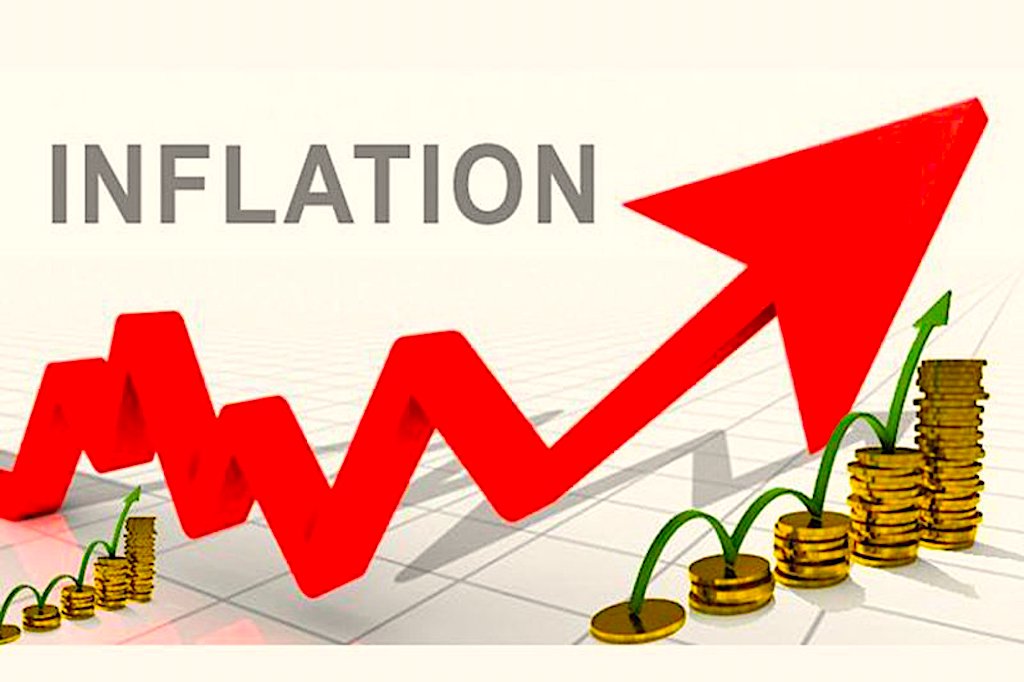
Despite ongoing monetary reforms by the Central Bank of Nigeria, many Nigerians say they are yet to feel meaningful relief in their daily living conditions, as inflationary pressures continue to drive up transport fares, food prices, and the overall cost of living.
The central bank has, in recent months, maintained a tight monetary policy stance aimed at stabilising the foreign exchange market, reducing inflation, and strengthening the naira. Measures have included adjustments to benchmark interest rates, reforms in the foreign exchange framework, and efforts to improve liquidity management within the financial system.
However, the real economy tells a more complex story for households and businesses. In major cities such as Lagos and Abuja, commuters report sustained increases in transport fares, largely driven by elevated fuel costs, higher vehicle maintenance expenses, and broader inflationary pressures affecting logistics and spare parts.
Food inflation remains one of the most pressing concerns for households, with traders and consumers reporting that prices of staples such as rice, bread, cooking oil, and vegetables continue to fluctuate at high levels. Many small businesses say they are forced to adjust prices frequently, making it difficult to maintain stable profit margins or long-term planning.
The naira has also continued to experience volatility in the foreign exchange market, despite central bank interventions intended to improve dollar liquidity and reduce speculative trading. Import-dependent businesses say the weaker purchasing power of the currency has increased the cost of imported goods, which is ultimately passed on to consumers.
Economists argue that while monetary tightening can help slow inflation over time, its impact is often delayed and may not immediately translate into lower prices, especially in an economy heavily influenced by structural challenges such as energy costs, supply chain inefficiencies, insecurity, and dependence on imports.
The Central Bank of Nigeria maintains that its policy direction is aimed at restoring macroeconomic stability, rebuilding investor confidence, and ensuring long-term sustainability of the financial system. Officials have also pointed to ongoing reforms in the foreign exchange market as part of broader efforts to unify exchange rates and improve transparency.
Despite these assurances, many Nigerians say the gap between macroeconomic policy improvements and everyday economic reality remains wide. Wage earners in particular report declining real income, as salaries fail to keep pace with rising costs of transportation, housing, healthcare, and basic consumption.
Transport unions and commercial drivers also say operational costs have continued to rise, especially due to fuel price adjustments and maintenance expenses, leaving them with limited room to reduce fares even when demand drops.
Analysts note that restoring purchasing power will require a combination of sustained monetary discipline, targeted fiscal interventions, improved local production capacity, and structural reforms that address energy supply and logistics bottlenecks.
For now, however, the central question for many citizens remains unchanged: whether recent policy measures will eventually translate into visible relief in the cost of living or remain largely macroeconomic improvements with limited immediate impact on everyday life.


-

 Football7 days ago
Banda, Chawinga make 2026 Women’s Ballon d’Or top 30 shortlist
-

 Trending Stories5 days ago
Davido, Wizkid, Burna Boy or Asake: Who is having the biggest 2026 so far?
-

 Featured7 days ago
Peter Obi, Makinde and the 2027 elections: Can unity really challenge APC?
-

 Business1 week ago
Nigeria records N12.59trn trade surplus in Q2 2026 — NBS
-

 Football5 days ago
Premier League releases 2026/27 festive fixtures, 7 matches set for Boxing Day
-

 Business3 days ago
Jetour Nigeria, dealers take dashing, other models to Abuja Experience
-

 Business4 days ago
Dangote Refinery IPO shifts spotlight to corporate governance, investor protection
-

 Crime4 days ago
Anambra Police arrest mother over alleged child sexual exploitation