
News
U.S. grants 60-day waiver on Iranian oil sanctions amid ongoing diplomatic talks

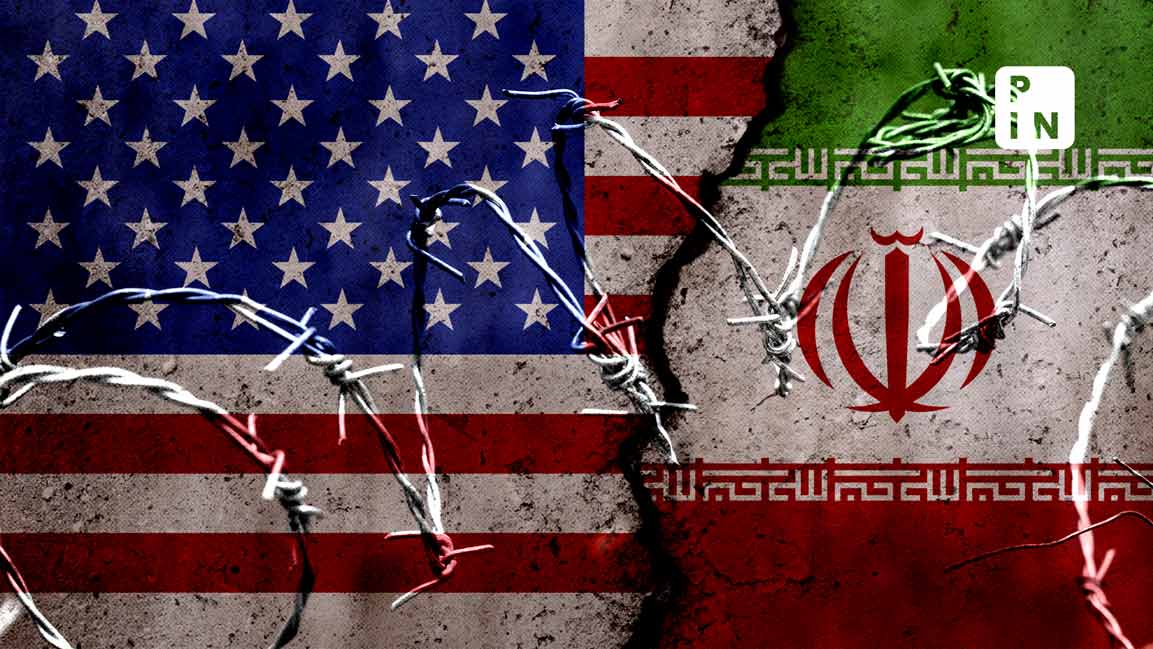
The United States has temporarily eased sanctions on Iranian oil exports, granting a 60-day waiver that permits transactions involving Iranian crude oil, refined petroleum products, and petrochemicals through August 21, 2026.
The measure, announced Monday by the U.S. Treasury Department’s Office of Foreign Assets Control (OFAC), authorizes activities previously prohibited under U.S. sanctions, including the production, sale, transportation, and delivery of Iranian-origin oil products.
U.S. officials said the temporary relief was granted following commitments made by Iran during ongoing diplomatic negotiations in Switzerland aimed at reducing tensions and advancing discussions on regional security and nuclear oversight.
According to U.S. Treasury Secretary Scott Bessent, the waiver is linked to Tehran’s agreement to maintain free navigation through the Strait of Hormuz and allow inspectors from the International Atomic Energy Agency (IAEA) to resume monitoring activities within the country.
The sanctions relief follows a memorandum of understanding reached between Washington and Tehran last week as part of broader efforts to stabilize the region after months of heightened military tensions.
Speaking after talks at a diplomatic summit in Switzerland, U.S. Vice President JD Vance described the negotiations as productive and said they had laid a foundation for a possible long-term agreement.
The temporary waiver does not permanently remove sanctions on Iran but significantly broadens the scope of authorized transactions. It also shields foreign buyers from certain secondary U.S. sanctions and allows approved transactions to be conducted in U.S. dollars.
Energy analysts say the decision could increase Iranian oil exports by reopening legal access to major international buyers, particularly in Asia. Countries such as China and India are expected to closely monitor developments as the waiver takes effect.
Despite the breakthrough, both sides have cautioned that negotiations remain at an early stage. Iranian Foreign Ministry spokesman Esmaeil Baqaei said discussions on long-term nuclear arrangements were still limited and that significant issues remained unresolved.
Officials on both sides have emphasized that the sanctions relief is temporary and could be withdrawn if either party fails to meet agreed commitments. U.S. authorities have warned that any violation of maritime security guarantees or breakdown in diplomatic talks could trigger an immediate reinstatement of restrictions.
Meanwhile, discussions continue over a separate proposal that would allow portions of Iran’s frozen overseas assets to be used for the purchase of American agricultural products through international mediators.
The waiver is expected to provide short-term relief to global energy markets while negotiators work toward a broader agreement that could reshape U.S.-Iran relations and influence oil supply dynamics across the Middle East.


-
 Comments and Issues3 days ago
Can President Tinubu Revive Nigeria’s Moribund Refineries?
-
 Business4 days ago
Tinubu knocks Atiku’s subsidy plan, says proposal shows ‘ignorance’ of economy
-

 Business3 days ago
TikTok, ByteDance agree to $400m settlement in US children’s privacy case
-

 Entertainment6 days ago
Poco Lee faces rape allegation as unverified UK arrest report spreads online
-

 Latest7 days ago
Tinubu files: US Judge grants four-day extension in FOIA disclosure battle
-
 Featured7 days ago
Beyond Osun 2026: What Adeleke’s re-election reveals about Nigeria’s road to 2027
-

 Featured4 days ago
Economic Reality vs Party Machinery: What will drive Nigeria’s 2027 election?
-

 Football4 days ago
EPL 2026/27: Experts back Arsenal for title as Haaland, Rice lead individual award picks