
Entertainment
US director Carl Rinsch sentenced to 30 months for defrauding Netflix

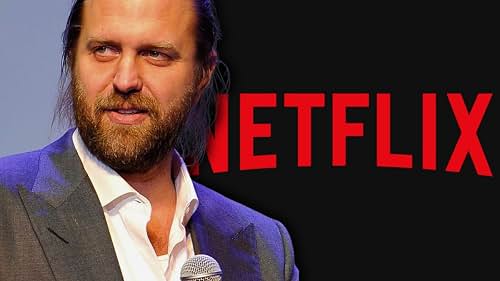
American filmmaker Carl Rinsch, best known for directing the 2013 fantasy film 47 Ronin, has been sentenced to 30 months in prison for defrauding Netflix of millions of dollars intended for a television project.
Federal prosecutors in New York announced on Monday that the 48-year-old was convicted for misusing about $11 million paid by the streaming platform in 2020 to complete a science fiction series originally titled White Horse.
READ ALSO: Actress Cossy Ojiakor shares flooded home as heavy rainfall wreaks havoc in Lagos
According to prosecutors, instead of using the funds to produce the series, Rinsch invested large sums in highly speculative stock options and cryptocurrency trades. Authorities said he later spent millions of dollars on luxury purchases, including designer clothing, expensive furniture, a Ferrari and five Rolls-Royce vehicles.
US Attorney for the Southern District of New York, Jay Clayton, said Rinsch exploited the trust placed in him by the streaming company for personal gain rather than completing the project.
In addition to the prison sentence, the court ordered Rinsch to forfeit $11 million.
His legal team had urged the court to impose a lighter sentence, arguing that his actions occurred during a difficult period marked by intense career pressure and a highly contentious divorce.
Although prosecutors did not identify Netflix by name in court filings, the case is widely linked to the company’s abandoned science fiction project, which was later renamed Conquest after initially being called White Horse.
Court documents described the planned series as the story of a scientist who creates a group of powerful clones exiled to a walled district in a Brazilian city, where they develop advanced technology and eventually come into conflict with humans and one another.
Ahead of the sentencing, Hollywood actor Keanu Reeves, who starred in Rinsch’s 47 Ronin, appealed to the judge for leniency. Reeves described the filmmaker as an “exceptional artist” but noted that he had long struggled with self-sabotaging behaviour.
The case has drawn attention in Hollywood as another example of the financial accountability expected in the increasingly competitive streaming industry.


-

 Health4 days ago
ISRT 2026: Global experts converge in Lagos to advance cancer care across Africa
-

 Football4 days ago
Ballon d’Or 2026: The key rules shaping the race for football’s biggest prize
-

 Entertainment7 days ago
Miss World 2026: Four Continental winners battle for automatic top 20 spot (VIDEO)
-

 Business4 days ago
Versat Automobile to launch Chery’s EXEED premium brand in Nigeria
-

 Entertainment6 days ago
Miss World 2026: Meet 24 African Contestants Flying Continent’s Flag in Vietnam(VIDEO)
-

 Comments and Issues5 days ago
Digital Rights and the 2027 Poll in Nigeria
-

 Energy5 days ago
Petrol Price War: Where are Nigerians getting the cheapest fuel?
-

 Football4 days ago
Yaya Touré makes history as Slovan Bratislava reaches Champions League league phase