
Health
Africa faces growing cancer crisis as experts warn of rising deaths, high treatment costs

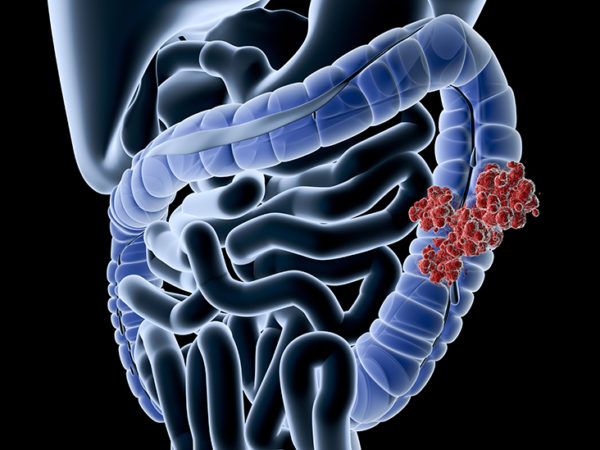
Health experts, policymakers and government officials have raised concerns over the growing burden of cancer in Africa, warning that the disease is now responsible for more deaths on the continent than HIV/AIDS, malaria and tuberculosis combined.
The warning was issued at the Best of ASCO Africa 2026 Conference in Abuja, organised by the African Organisation for Research and Training in Cancer (AORTIC) in collaboration with the National Institute for Cancer Research and Treatment (NICRAT).
Participants at the conference said Africa is facing an urgent cancer crisis driven by limited access to healthcare, soaring treatment costs and a shortage of specialist medical personnel.
According to data from the World Health Organization’s International Agency for Research on Cancer (IARC), Africa records more than 1.1 million new cancer cases and over 700,000 cancer-related deaths each year. Experts warned that if urgent action is not taken, the number of new cases could almost double by 2040.
Speaking at the conference, oncologist at the Rwanda Cancer Centre, Dr. Theoneste Manirababa, said many patients in sub-Saharan Africa are diagnosed only after the disease has reached advanced stages because of inadequate screening programmes and weak healthcare systems.
He noted that the high cost of treatment forces many families to choose between paying for cancer care and meeting their daily needs.
“Governments need to establish robust healthcare financing systems so patients can be insured for their treatment costs and receive comprehensive care,” Manirababa said.
Experts also highlighted the limited availability of modern cancer therapies across the continent, noting that advanced treatments such as immunotherapy and precision medicine remain largely inaccessible because of high costs, weak procurement systems and limited pharmaceutical manufacturing capacity.
Another major concern raised at the conference was the shortage of oncology specialists. In Nigeria, which records an estimated 127,000 new cancer cases annually, fewer than 100 clinical oncologists are available to serve the country’s population, experts said.
They added that the shortage has been worsened by the continued migration of trained healthcare professionals to countries offering better working conditions and remuneration.
Director-General of NICRAT, Prof. Usman Aliyu, said African countries already understand the measures needed to tackle the cancer burden but have failed to effectively coordinate implementation.
“Essentially, we need to walk the talk. Generally, we know what needs to be done. Our biggest problem is coordination,” he said.
Participants at the conference urged African governments to strengthen healthcare financing, expand cancer screening programmes, improve access to treatment and invest in training and retaining specialist healthcare workers.
They also called for cancer prevention, diagnosis and palliative care services to be integrated into primary healthcare systems, arguing that stronger political commitment and coordinated investment will be critical to reducing cancer-related deaths across the continent.


-

 Latest1 day ago
Pastor Chris Oyakhilome announces mother’s passing at 88 [VIDEO]
-

 Football5 days ago
Saka: England still carry World Cup scar
-

 Comments and Issues6 days ago
Sometimes, goodwill finds us through the people we love
-

 Latest3 days ago
Arsenal eye €70-80m move for Real Madrid star
-

 Business6 days ago
CBN reduces MPR by 350bps to 23% in major monetary policy shift
-

 Business1 week ago
Jetour takes T1 adventure SUV experience to Abuja, targets growing Nigerian market
-

 Football1 week ago
Nigeria vs Colombia: Falconets battle for U-20 World Cup semi-final ticket
-

 Crime3 days ago
Police arrest suspect, launch manhunt for 2 others over Delta Education Director’s death