
Business
Analysts project high Nigerian bond yields to persist until late 2026

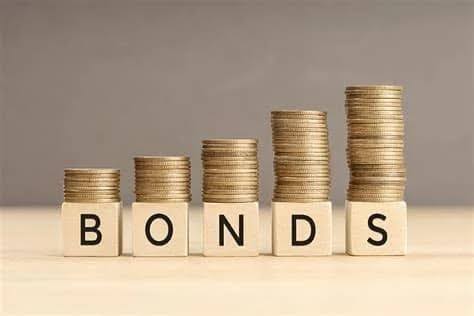
Nigerian fixed-income investors are expected to continue enjoying elevated returns on government securities as analysts project that bond and Treasury bill yields will remain high until at least the fourth quarter of 2026.
The outlook is being driven by persistent inflationary pressures and the Federal Government’s increased borrowing requirements to finance its 2026 budget deficit, creating sustained demand for domestic debt.
Market analysts say inflation remains one of the key factors influencing the Central Bank of Nigeria’s (CBN) monetary policy. After easing in previous months, headline inflation rose to 15.93 per cent, largely due to higher energy and transportation costs.
In response, the CBN has maintained a tight monetary policy stance by keeping the Monetary Policy Rate (MPR) at 26.50 per cent to curb inflation, attract capital inflows and support the naira.
Analysts also point to the Federal Government’s projected fiscal deficit of about ₦23.85 trillion as another factor sustaining high yields. To bridge the funding gap, the Debt Management Office (DMO) has increased the issuance of Treasury bills and Federal Government bonds.
Recent debt auctions have seen stop rates on 364-day Treasury bills exceed 17 per cent, while yields on long-term Federal Government bonds have risen above 18 per cent.
According to market observers, these elevated rates are likely to remain in place as the government continues to compete for domestic capital to finance its spending plans.
The high-yield environment presents opportunities for investors seeking stable returns. Financial experts note that long-term Federal Government bonds currently offer attractive yields, allowing investors to lock in fixed returns before any future reduction in interest rates.
They also recommend short-term Treasury bills for investors seeking greater flexibility, as shorter maturities allow funds to be reinvested should interest rates rise further.
In addition, analysts say high-quality corporate bonds are becoming increasingly attractive, with several companies offering competitive yields to attract investors in an environment where government securities are delivering strong returns.
While the elevated interest rate environment benefits fixed-income investors, economists caution that it also raises borrowing costs for businesses, potentially slowing private sector investment and economic expansion.
Nonetheless, analysts expect Nigeria’s fixed-income market to remain attractive through the second half of 2026 unless inflation eases significantly and fiscal borrowing pressures begin to decline.


-

 News6 days ago
Widow of late investigative broadcaster Kola Olawuyi dies
-

 Crime6 days ago
Outrage as NYSC doctor allegedly dies after delay in approving sick leave
-

 Latest5 days ago
One killed as ethnic clash erupts in Ibadan following reported overnight stabbing (video)
-
 Aviation6 days ago
NIS issues updated guidelines for contactless passport renewal for Nigerians abroad
-
 Energy7 days ago
Gas flaring takes toll on children, residents in Rivers oil-producing communities
-

 Latest6 days ago
Lagos arrests 396 beggars in fresh crackdown on street begging (Video)
-

 Aviation7 days ago
Could you prove that bag is yours? The precautions that could protect you from a travel nightmare
-

 Agribusiness5 days ago
Strengthening Nigeria’s Food Production Through Reliable Water Storage Infrastructure