
Latest
Will State Police resolve Nigeria’s insecurity issues? Insights from security experts

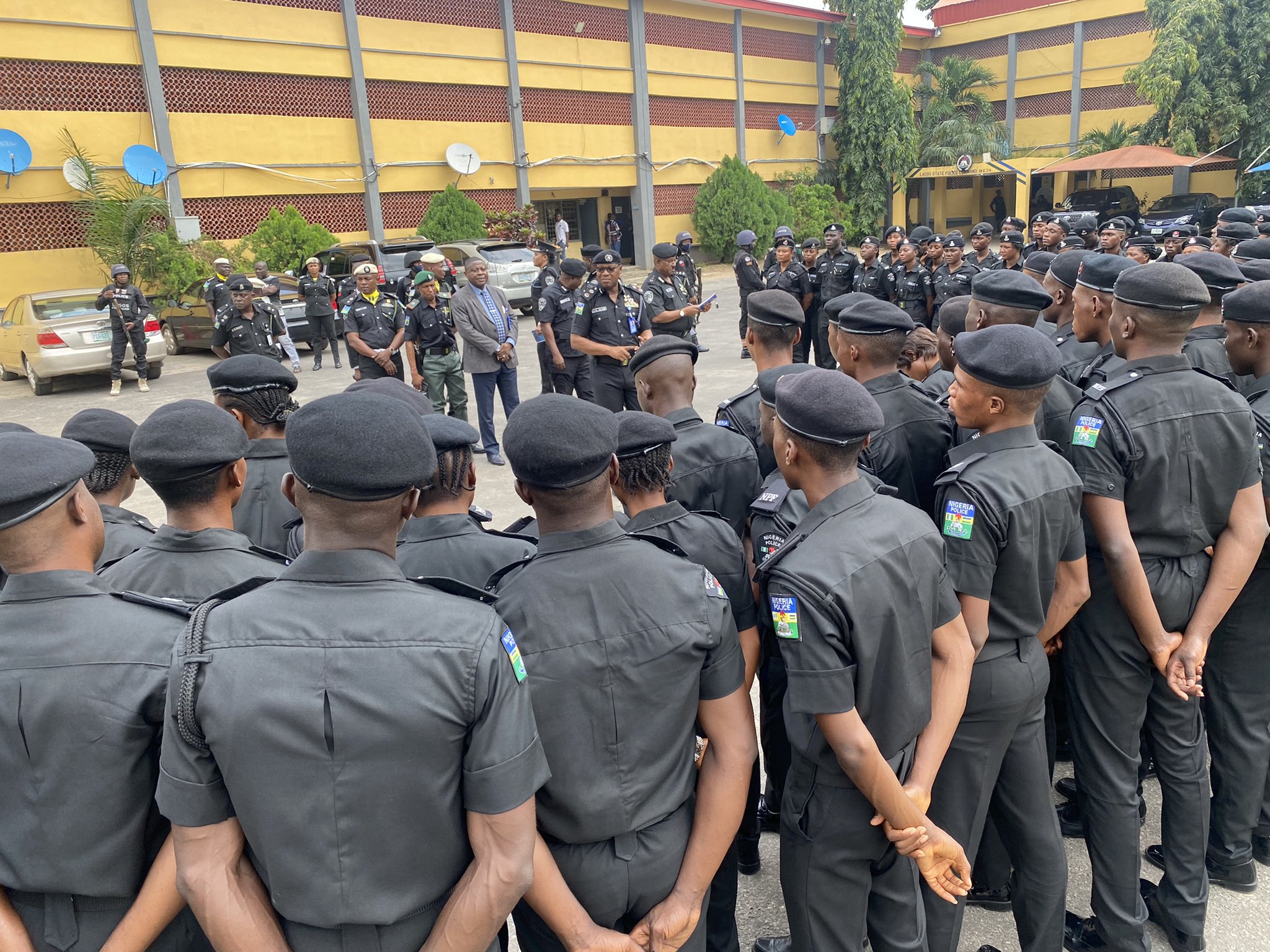
In light of the increasing incidents of kidnapping, banditry, terrorism, and communal conflicts, Nigerians are keenly awaiting the outcome of discussions surrounding the state police bill.
There is growing apprehension regarding whether the establishment of state police will effectively address the persistent insecurity faced in Nigeria. Should the Senate approve the bill, it must subsequently receive the endorsement of at least 24 State Houses of Assembly before it can attain presidential approval.
As Nigerians look forward to the results of the deliberations on the state police bill, concerns and discussions about the operational efficacy of state police have emerged. While the debate has continued to gain traction over the years, retired military personnel and security experts contend that state police would enhance law enforcement’s proximity to the populace.
Major General Chris Olukolade, a former Director of Defence Information, has previously championed the need for more robust community-based security frameworks, emphasizing that local intelligence is vital in the fight against crime.
During an appearance on the TVC Breakfast Show, retired Rear Admiral Oluwabunmi Bankole asserted that Nigeria’s security challenges necessitate a multifaceted approach, incorporating stronger local security frameworks, improved intelligence, advanced technology, and community engagement.
He pointed out that security agencies cannot effectively oversee every community from a central location, highlighting the importance of local knowledge in tackling issues such as kidnapping, banditry, and terrorism. Regarding the concept of state police, he expressed his support, suggesting that it could significantly enhance the effectiveness of addressing insecurity, as officers would possess a better understanding of their local contexts and communities.
Nonetheless, he emphasized the necessity for state police to be supported by explicit legal protections, adequate funding, comprehensive training, and oversight to avert misuse by political figures.
Bankole further highlighted that security encompasses more than just military involvement. He stated that intelligence collection, public engagement, technology-based surveillance, and tackling fundamental issues like poverty and unemployment are crucial for overcoming insecurity.
A significant aspect of his remarks was that state police should serve as a complement to, rather than a replacement for, current federal security agencies, while maintaining accountability and upholding the rule of law.
Similarly, Major General Garba Wahab contended that security threats are frequently localized and demand responses that can be effectively provided by state police.
READ ALSO; Tinubu seeks constitutional backing for State Police, transmits Bill to Reps
Security analyst Ayomide Akinwale asserts that Nigeria’s centralized policing framework hinders emergency response times, as states do not possess direct operational control over law enforcement personnel. He posits that a decentralized policing model could enhance intelligence collection and expedite response efforts.
There exists a perspective that governors are constitutionally recognized as the chief security officers of their respective states, yet they currently lack direct authority over the police forces. Proponents of state policing argue that it would fill this void and facilitate swifter reactions to emerging threats.
Conversely, some retired security officials have raised concerns regarding the efficacy and operational integrity of state police forces. Major General Bashir Magashi, along with other critics, has cautioned that state police could be misused by governors to intimidate political adversaries unless robust safeguards are established.
Experts emphasize that for state police to be effective, it is essential to implement clear constitutional checks, independent oversight, sufficient funding, professional training, and effective collaboration with federal security agencies. Recent proposals for state policing have included accountability measures such as national standards boards and the use of body-worn cameras by officers.
The majority of security experts concur that state police could contribute to reducing insecurity; however, they highlight the necessity for Nigeria to tackle fundamental issues such as unemployment, poverty, weak institutions, corruption, and inadequate intelligence coordination.
Absent these comprehensive reforms, state police alone may not fully resolve the nation’s security dilemmas.


-

 Business5 days ago
Abuja gears up for Jetour T2’s rugged-luxury experience
-

 Business7 days ago
Nigeria Business Outlook: Dangote IPO, markets, inflation and naira in focus this week
-

 Business7 days ago
Dangote IPO rush crashes Bamboo login as investors flood platform
-

 News4 days ago
UK, Canada pledge closer cooperation on trade, defence and AI
-
 Business5 days ago
Tinubu’s economic reforms face public confidence test as cost-of-living crisis persists
-

 Business5 days ago
Dangote: Petrol price gap fuels smuggling as Nigeria faces fresh pump price surge
-

 Latest1 week ago
Hamzat meets Pastor Chris Oyakhilome, hails Christ Embassy’s community impact
-
 Latest5 days ago
Court sets 7-day window for Atiku to serve Tinubu in 2027 suit