
Energy
Three years later, fuel subsidy savings remain under scrutiny

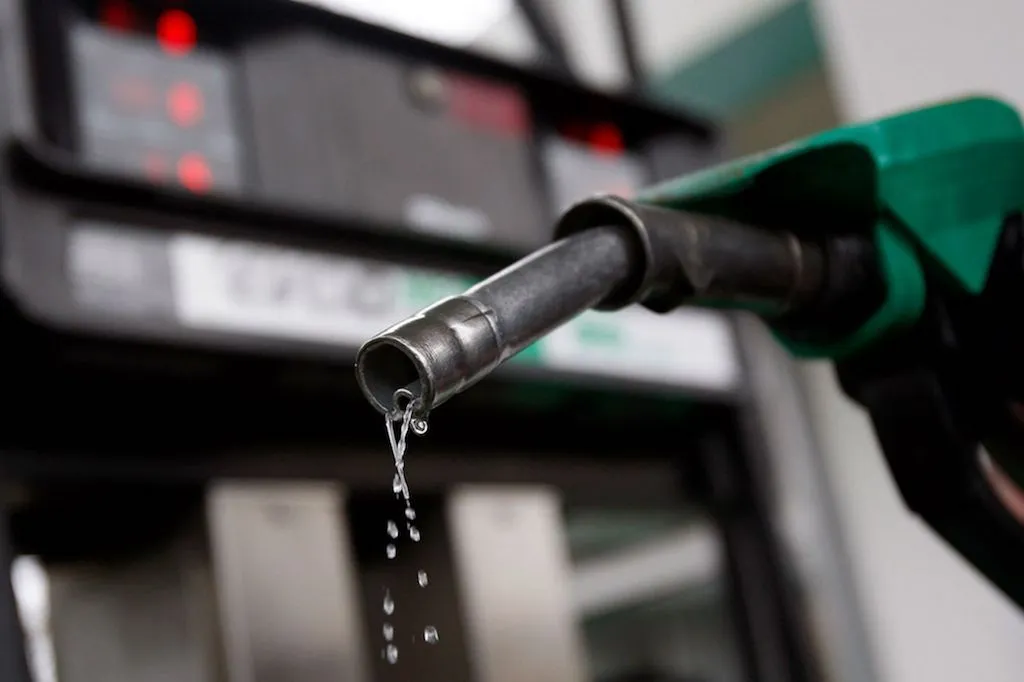
Three years after the Federal Government scrapped Nigeria’s fuel subsidy, questions over the fate of the expected savings continue to dominate public discourse, despite fresh explanations from the administration.
The issue resurfaced after Chairman of the Presidential Committee on Fiscal Policy and Tax Reforms, Taiwo Oyedele, said the funds generated from the removal of fuel and foreign exchange subsidies were largely consumed by debt servicing, higher public sector wages and other government obligations.
Speaking at the African Emerging Markets Forum organised by the Central Bank of Nigeria (CBN) in Abuja, Oyedele said the reforms freed up resources equivalent to about five per cent of Nigeria’s Gross Domestic Product (GDP). However, he argued that the gains were offset by soaring debt servicing costs following higher interest rates, the increased cost of servicing foreign debt after the naira was floated, implementation of the new ₦70,000 minimum wage, student loan funding through NELFUND, and the phase-out of the Central Bank’s “Ways and Means” financing.
While the government maintains that these expenditures represent legitimate uses of the savings, the explanation has done little to settle public concerns.
Many Nigerians argue that despite enduring higher fuel prices, rising transport fares and persistent food inflation since the subsidy was removed in May 2023, there has been little visible improvement in public infrastructure or social services that reflects the scale of the sacrifice.
Economic analysts have also noted that although the government has outlined broad areas where the funds were reportedly spent, it has yet to publish a comprehensive, independently verifiable account detailing how much was saved, how much was spent, and on which specific projects or obligations.
The lack of an itemised breakdown has fuelled calls from civil society organisations and transparency advocates for greater accountability.
Critics argue that without detailed public records, it is difficult to assess whether the subsidy savings have translated into measurable benefits for ordinary Nigerians or merely financed existing government expenditure.
Oyedele acknowledged the public’s concerns, describing the question as “valid,” and said the Federal Government intends to publish a detailed breakdown of the subsidy savings and their utilisation.
Until such a report is released, however, the question that has persisted since the subsidy was removed remains largely unanswered.
Have the savings delivered the economic and social benefits Nigerians were promised?


-
 Latest1 day ago
Pastor Chris Oyakhilome announces mother’s passing at 88 [VIDEO]
-

 Football5 days ago
Saka: England still carry World Cup scar
-

 Comments and Issues6 days ago
Sometimes, goodwill finds us through the people we love
-
 Business6 days ago
CBN reduces MPR by 350bps to 23% in major monetary policy shift
-

 Latest3 days ago
Arsenal eye €70-80m move for Real Madrid star
-

 Business1 week ago
Jetour takes T1 adventure SUV experience to Abuja, targets growing Nigerian market
-

 Football1 week ago
Nigeria vs Colombia: Falconets battle for U-20 World Cup semi-final ticket
-

 Crime2 days ago
Police arrest suspect, launch manhunt for 2 others over Delta Education Director’s death