
Energy
Brent crude tops $100: What higher oil prices mean for Nigeria

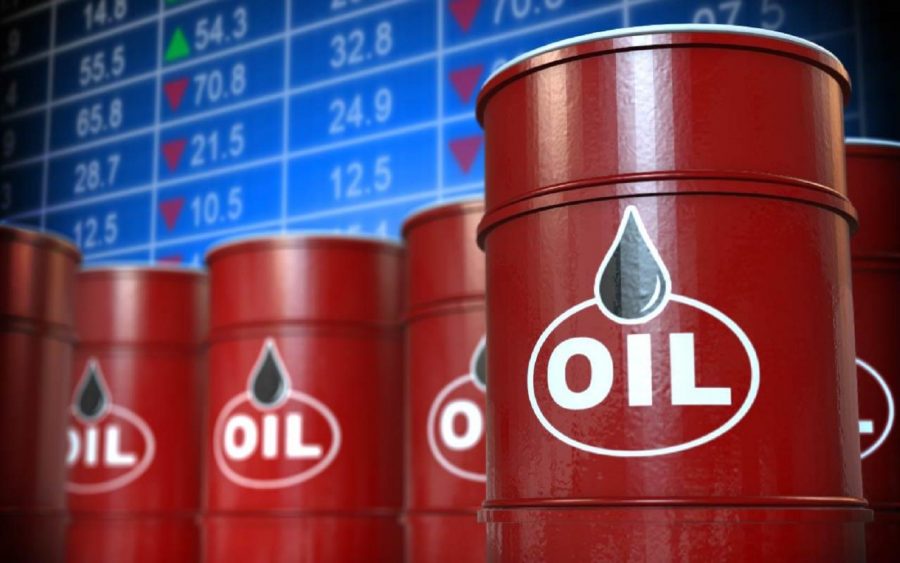
Brent crude oil has climbed above $100 per barrel as escalating Middle East tensions threaten global supplies, creating the prospect of higher oil earnings for Nigeria but also renewed pressure on petrol and other energy costs.
Brent futures rose above the $100 mark on Wednesday, September 9, with Reuters reporting a rise to around $101.32 per barrel. The latest rally has been linked to intensified fighting involving the United States and Iran, attacks on Saudi energy infrastructure and disruptions to oil shipments through the Strait of Hormuz, one of the world’s most important oil transit routes.
The surge means Nigeria, Africa’s largest oil producer, could benefit from stronger crude export prices. But the gains will depend heavily on how much oil the country is able to produce and export, as well as how long prices remain elevated.
Nigeria’s government stands to benefit when the international price of crude rises because the country earns more from every barrel of crude it exports, all other factors being equal.
That could improve government revenue, strengthen foreign-exchange inflows and provide additional fiscal space at a time when authorities are trying to fund infrastructure and other public expenditure.
However, the benefit should not be overstated.
Nigeria’s oil earnings depend not only on the price of crude but also on production volumes. The country’s crude production averaged about 1.505 million barrels per day in July 2026, according to figures from the Nigerian Upstream Petroleum Regulatory Commission (NUPRC). Including condensates, total production averaged about 1.67 million barrels per day.
This means a sustained rise in prices could provide a significant boost to export earnings, but production losses, oil theft, operational disruptions and other challenges can reduce the amount of crude available for sale.
This is one of the biggest questions following the rise in crude prices.
The short answer is that higher Brent prices can put upward pressure on petrol prices, but they do not automatically mean an immediate increase at every filling station.
Nigeria’s downstream petroleum market has undergone major changes since the removal of petrol subsidies. Pump prices increasingly reflect market conditions, including the cost of crude and refined products, exchange rates, logistics and other operating expenses.
Recent developments already show how quickly wholesale fuel prices can respond to changes in the energy market.
Dangote Petroleum Refinery raised its petrol gantry price from ₦1,200 to about ₦1,265 per litre at the end of August, following several increases within a short period.
The refinery subsequently increased its diesel price to ₦1,850 per litre in September, with reports linking the adjustment partly to rising international crude prices and disruptions affecting global refining markets. NNPC retail prices also rose in some locations following the wholesale increases.
A prolonged period of crude prices above $100 could therefore increase the cost of supplying petrol, particularly if international refined-product prices also remain elevated.
One important difference today is the emergence of the Dangote Refinery as a major domestic supplier.
The 700,000-barrel-per-day refinery has changed the structure of Nigeria’s downstream market by providing locally refined petroleum products and reducing dependence on imported petrol.
However, local refining does not completely insulate Nigerian consumers from international oil prices.
Crude oil has an international market value. A refinery buying crude still faces the economic opportunity cost associated with global prices. As a result, a sharp increase in international crude prices can eventually feed into the cost of refined products even when the refinery is located in Nigeria.
This is why a rise in Brent can affect petrol prices without Nigeria physically importing every barrel of crude used to produce its petrol.
The impact could extend beyond filling stations.
Petrol and diesel costs influence transportation, logistics, agriculture, manufacturing and electricity generation. If energy costs rise significantly, businesses may pass some of the additional expenses to consumers through higher prices.
The international impact is already becoming visible. Reuters reported that analysts are concerned that a sustained oil price above $100 could increase transportation and manufacturing costs, reignite inflationary pressures and keep interest rates higher for longer.
For Nigeria, where transportation and energy costs have a significant influence on household expenditure, another prolonged energy-price shock could complicate efforts to reduce the cost of living.
The biggest potential advantage for Nigeria is straightforward: selling more crude at higher prices means more dollars entering the economy.
That could support government revenue and foreign-exchange liquidity and potentially strengthen the naira if the additional inflows are substantial and sustained.
There are signs that Nigeria’s oil production has improved from the severe disruptions experienced in previous years. June production reached about 1.56 million barrels per day, the country’s highest level since April 2020, according to the NUPRC.
But July production subsequently slipped to 1.505 million barrels per day, highlighting the importance of maintaining production gains.
For Nigeria to fully benefit from an oil-price rally, therefore, higher prices need to be accompanied by stable or rising production.
A temporary jump in oil prices can provide relief to government finances, but it does not solve Nigeria’s structural economic problems.
The country remains vulnerable to swings in global crude prices because oil accounts for a large share of export earnings and government revenue.
If prices remain above $100 for an extended period, the government could receive an unexpected revenue boost. But if the additional income is quickly absorbed by higher spending without improving infrastructure, productivity, investment and non-oil revenue, the long-term benefit could be limited.
There is also the risk that Nigerians could experience the opposite side of the oil boom through higher transport and food costs if expensive crude pushes up domestic fuel prices.
The key issues over the coming weeks will be how long Brent remains above $100, Nigeria’s crude production levels, domestic refinery prices and movements in the naira-dollar exchange rate.
If global tensions ease and oil supply recovers, crude prices could fall again. But if disruptions in the Middle East persist, energy markets could remain under pressure.
For Nigeria, the $100 oil price is therefore a double-edged sword.
It could provide more revenue and foreign exchange for the government, but it could also increase the cost of petrol and other energy-intensive goods.
Ultimately, whether Nigerians benefit from the oil rally will depend less on the headline $100 price and more on whether the country can increase production, capture the additional revenue and prevent higher energy costs from worsening the cost-of-living crisis.


-

 Featured5 days ago
Inside INEC’s race to prepare for Nigeria’s 2027 elections
-

 Latest1 week ago
UCTH faces morgue crisis as 50 unclaimed corpses await mass burial
-

 Featured5 days ago
2027: APC unveils nationwide campaign timetable, Tinubu to rally in 12 states
-

 Business1 week ago
BREAKING: Nigeria’s Inflation Rate Drops to 14.63% in September
-

 Business6 days ago
President Tinubu and the Low Transport Fares Fiasco
-
 Business5 days ago
Court dismisses ₦170m Trade Fair contract claim, says Zenith Bank was not a party
-
 Business2 days ago
Naira faces exchange rate gap as Dollar hits N1,380 on parallel market
-
 Latest5 days ago
Breaking: NNPCL raises petrol price to ₦1,405 per litre amid discount controversy