
Comments and Issues
Peter Obi and the Pensioners’ Testimony

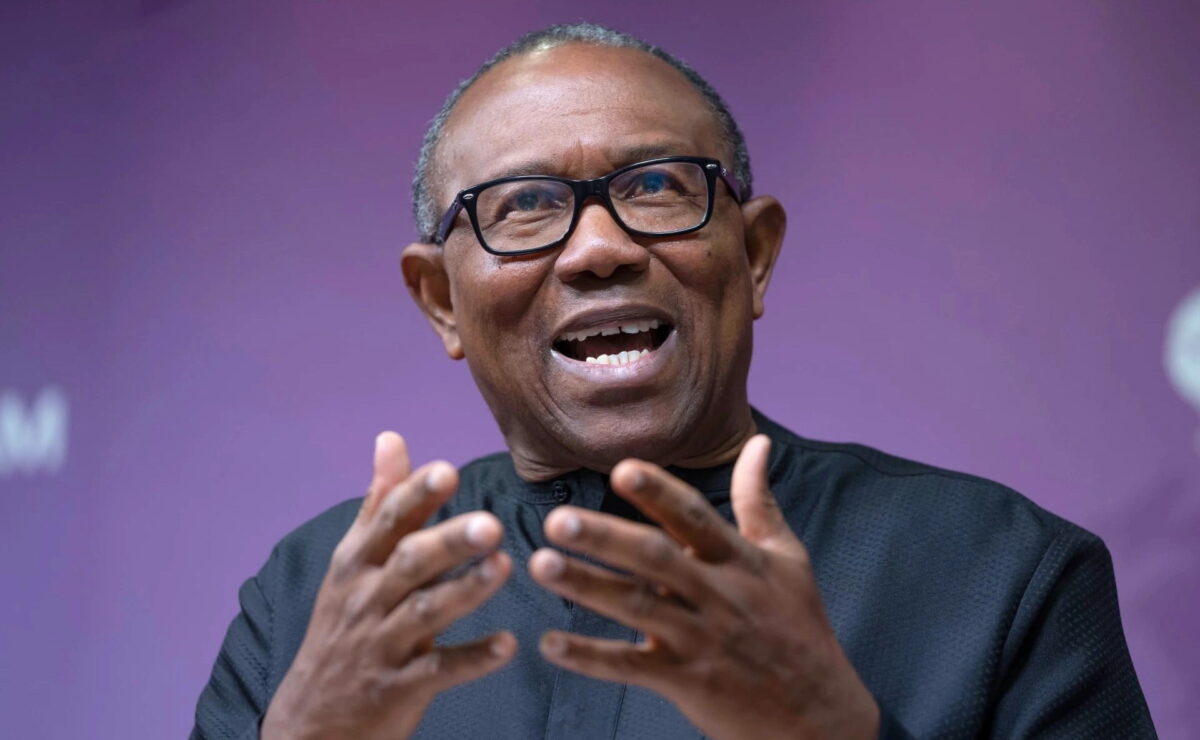
Yesterday, while struggling to beat the deadline for today’s publication, I decided to call the Chairman of the Nigeria Union of Pensioners, Anambra State Council, Comrade Anthony Ugozor. I wanted to hear directly from someone who was at the centre of pensioners’ affairs during Peter Obi’s administration.
His phone rang repeatedly, but he did not pick up. This morning, however, he called back and apologised, explaining that he was at Nawgu, at the invitation of the Igwe, for their New Yam Festival.
I told him I wanted to make enquiries about the relationship between Peter Obi’s administration and pensioners, particularly the payment of pensions, gratuities and arrears.
His response was unequivocal:
“Pensioners in Anambra State, had their best time under Obi. He not only cleared all the arrears owed us, he also paid pensions and gratuities promptly. Under him, fresh retirees got their gratuities in less than three months. It was a glorious era for us.”
I recall in 2018, when the Nigeria Union of Pensioners, Anambra State chapter, honoured Peter Obi, Ugozor publicly praised his administration for paying monthly pensions and gratuities, including inherited arrears. He also recalled Obi’s Christmas rice gifts to pensioners and donation of a 14-seater bus to the union.
Obi’s concern for the elderly went beyond government pensioners. During his administration, elderly citizens above 70 who were not pensioners, had no one to care for them and were vulnerable received special stipends. It was a recognition that old age itself could become a period of vulnerability and that government had a responsibility to protect the dignity of its elderly citizens.
Pensions and gratuities, he believes, are not acts of charity; they are entitlements earned through years of service. What made the Obi experience noteworthy, as described by the pensioners’ leadership, was the emphasis on promptness, regularity and clearing inherited obligations, rather than allowing retirees to spend their final years pursuing government for what was already theirs.
This is why the testimony of pensioners deserves attention in the current debate about governance. The pensioner does not experience government through press releases or statistics; he experiences it when his pension enters his account, when his gratuity is paid and when he can meet the basic needs of old age without begging for what he earned.
For me, therefore, the issue is not simply whether Peter Obi paid pensions, but what his treatment of pensioners says about his conception of government. If he becomes President, his record in Anambra gives pensioners and senior citizens reason to expect that their welfare will receive particular attention. His experience suggests that concern for the elderly was not an afterthought, but part of his broader understanding that government must protect the dignity of those who have spent their productive years serving society.


-
 Featured1 week ago
Tinubu’s Renewed Hope: Reforms, hardship and the unanswered question of a second term
-
 Featured7 days ago
The cost of Renewed Hope: How Nigeria’s economic reforms are reshaping everyday family life
-

 Crime3 days ago
Kwara bandit deal under scrutiny as footage shows security operatives negotiating with terrorists [VIDEO]
-
 Business7 days ago
CBN forex reforms under scrutiny as Nigeria’s reserves drop $300m in 10 days
-
 Business7 days ago
NCC plans spectrum incentives to push telecom operators into more network investment
-

 Entertainment5 days ago
2027 Grammys: Asake, Wizkid, Tems, Ayra Starr lead Nigerian nominees in African music category
-

 Latest7 days ago
Nigeria’s security crisis deepens as October death toll hits 835, highest in 2026
-

 Sports1 week ago
Kenya’s Timothy Kibii wins Port Harcourt International Marathon