
Aviation
See countries with the toughest citizenship requirements

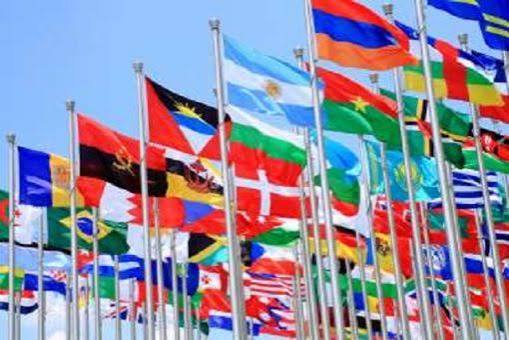
As more people seek opportunities abroad through work, study and migration, obtaining citizenship remains one of the most difficult legal processes in several countries. While many nations offer established pathways to naturalisation after a number of years of residence, others maintain some of the world’s strictest requirements, making citizenship an option available to only a small number of foreign nationals.
Countries such as North Korea, Qatar and Switzerland are often cited for their restrictive naturalisation systems, although the reasons behind their policies differ significantly. Some prioritise national security, others seek to preserve cultural identity, while some aim to protect generous social welfare systems.
North Korea: Citizenship by Exceptional Approval
North Korea operates one of the world’s most restrictive citizenship systems. There is no conventional pathway that allows foreign nationals to become citizens through long-term residence or investment.
Citizenship is primarily based on descent, while naturalisation for foreigners requires approval by the Presidium of the Supreme People’s Assembly, making such cases extremely rare.
Travel restrictions also remain tightly controlled, with citizens requiring government approval to obtain travel documents and leave the country.
Qatar: Long Residency, Limited Naturalisation
Despite having one of the world’s highest proportions of expatriate residents, Qatar grants citizenship to very few foreign nationals each year.
Under Qatari law, applicants are generally required to have lived in the country legally for at least 25 consecutive years before becoming eligible to apply. They must also demonstrate proficiency in Arabic, maintain a clean criminal record and prove they can financially support themselves.
Qatar does not generally permit dual citizenship, meaning successful applicants are typically required to renounce their previous nationality. Reports indicate that only a limited number of people are granted citizenship annually.
Switzerland: A Multi-Level Approval Process
Unlike some restrictive countries, Switzerland provides a legal route to citizenship but is widely regarded as having one of Europe’s most demanding naturalisation procedures.
Applicants are generally required to hold a permanent residence permit and complete at least 10 years of lawful residence before applying, although time-counting rules may vary depending on age and residence history.
Naturalisation applications must be approved at the federal, cantonal and municipal levels. In addition to residency requirements, applicants are expected to demonstrate proficiency in one of Switzerland’s official languages and show successful integration into Swiss society, including knowledge of the country’s laws, history and civic values.
Other Countries With Strict Citizenship Rules
Several other countries also maintain high barriers to naturalisation.
In Liechtenstein, applicants may need decades of residence before qualifying for citizenship, alongside approval through local political processes.
Vatican City follows a unique system in which citizenship is linked to official service to the Holy See rather than birth or long-term residence. Citizenship is generally temporary and ends when the holder’s official role concludes.
Bhutan also imposes strict conditions, including lengthy residency requirements, language proficiency and adherence to national customs and traditions.
Why Some Countries Restrict Citizenship
Experts say countries with stringent citizenship laws generally cite three main reasons for maintaining restrictive policies.
Some wealthy nations seek to protect extensive state-funded welfare programmes by limiting the number of new citizens. Others argue that strict naturalisation rules help safeguard national security or preserve sovereignty, particularly in countries with unique political systems.
Cultural preservation is another common factor. Nations with relatively small populations often require applicants to demonstrate language proficiency and integration into local communities before granting citizenship, reflecting a broader emphasis on maintaining social cohesion.
While citizenship policies continue to evolve around the world, these countries remain among those with the highest barriers to naturalisation, underscoring that obtaining a passport can involve far more than simply living within a country’s borders.


-

 Featured7 days ago
Inside INEC’s race to prepare for Nigeria’s 2027 elections
-

 Featured7 days ago
2027: APC unveils nationwide campaign timetable, Tinubu to rally in 12 states
-

 Business4 days ago
Naira faces exchange rate gap as Dollar hits N1,380 on parallel market
-

 Business7 days ago
Court dismisses ₦170m Trade Fair contract claim, says Zenith Bank was not a party
-

 Latest7 days ago
Breaking: NNPCL raises petrol price to ₦1,405 per litre amid discount controversy
-

 Featured1 week ago
From kitchen to Supreme Court: Nigerian’s fight over alleged support for terrorists
-

 Football1 week ago
Maresca reveals Guardiola’s reaction to Man City’s 4-2 defeat to PSG
-

 Business6 days ago
NCC launches Internet Governance Working Group to tackle AI risks, boost online safety