
Crime
Akpabio opposes suicide decriminalisation Bill, passes second reading

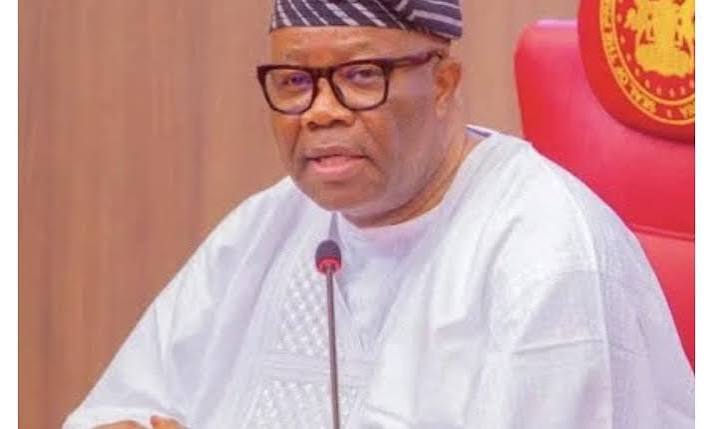
By Ogundele Eniola
Senate President Godswill Akpabio has opposed a bill seeking to decriminalise attempted suicide in Nigeria, insisting that survivors should face imprisonment despite the Senate’s passage of the proposed legislation for second reading.
Akpabio made his position known on Tuesday, October 13, during debate on the Suicide Prevention Bill 2026, sponsored by Senator Asuquo Ekpenyong, who represents Cross River South Senatorial District.
According to reports by TheCable and Channels Television, Akpabio maintained that attempted suicide should remain a criminal offence under existing laws.
“As far as we are concerned, we are saying that suicide is a crime for now. Therefore, if you attempt it, you better succeed. If you don’t succeed, we will send you to prison,” he said.
Despite his opposition, the Senate passed the bill for second reading, allowing it to proceed to further legislative consideration.
Presenting the bill, Ekpenyong argued that Nigeria’s legal framework contains conflicting provisions on attempted suicide. He noted that the National Mental Health Act recognises attempted suicide as a psychiatric emergency requiring immediate intervention, while Section 327 of the Criminal Code and Section 231 of the Penal Code continue to prescribe criminal penalties.
The senator warned that criminalising attempted suicide could discourage people experiencing psychological distress from seeking medical assistance. He also argued that fear of prosecution and social stigma could lead families to conceal incidents, undermining efforts to improve suicide prevention and mental health care.
The proposed legislation seeks to replace criminal punishment with medical assessment, treatment, rehabilitation and follow-up support for survivors. It also proposes crisis helplines, public awareness campaigns, training for healthcare workers and law enforcement officers, and a national system for collecting suicide-related data.
Other lawmakers, including Senator Dayo Faduyile, a medical doctor representing Ondo South, supported the position that attempted suicide should be treated as a medical emergency rather than a criminal offence.
Senate Leader Opeyemi Bamidele, however, raised questions about the legal implications of the proposed changes and the need to consider how the amendments would apply across different jurisdictions.
Akpabio also called for input from State Houses of Assembly during the legislative process, arguing that the relationship between existing criminal laws and the proposed reforms required further examination.
Following its second-reading passage, the bill was referred to the relevant Senate committees on health and judiciary for further consideration, including a public hearing.
The bill has not become law, and attempted suicide remains subject to applicable criminal provisions while the legislative process continues.
The debate has renewed attention on how Nigeria should balance its existing criminal laws with the need to provide timely mental health treatment and support to people who survive suicide attempts.


-

 Latest3 days ago
Full List: Meet the 2026 Nobel Prize winners across six categories
-
 Featured7 days ago
103 Million Voters: What does INEC’s new register say about Nigeria’s population?
-

 Football3 days ago
Premier League Matchweek 7: Five Fixtures That Could Shape the Weekend
-

 Business1 week ago
The Ministry of Commerce of Loveworld gets a $1 million boost for new investment fund at LTIF 2026 to promote Trade in Ghana
-

 Features1 week ago
Edo’s 2.5 million vote promise: Can the numbers match the politics?
-

 Latest2 days ago
Umahi defends Lagos-Calabar highway route changes amid public outcry
-

 Latest1 week ago
Nigeria to Ghana: Inside police hunt for Anambra kidnap suspect
-

 Business2 days ago
Dangote Refinery IPO Extension: Was the 70% subscription report overhyped?