
Latest
Lagos traffic hawkers risk death for N3,000 daily as economic hardship bites

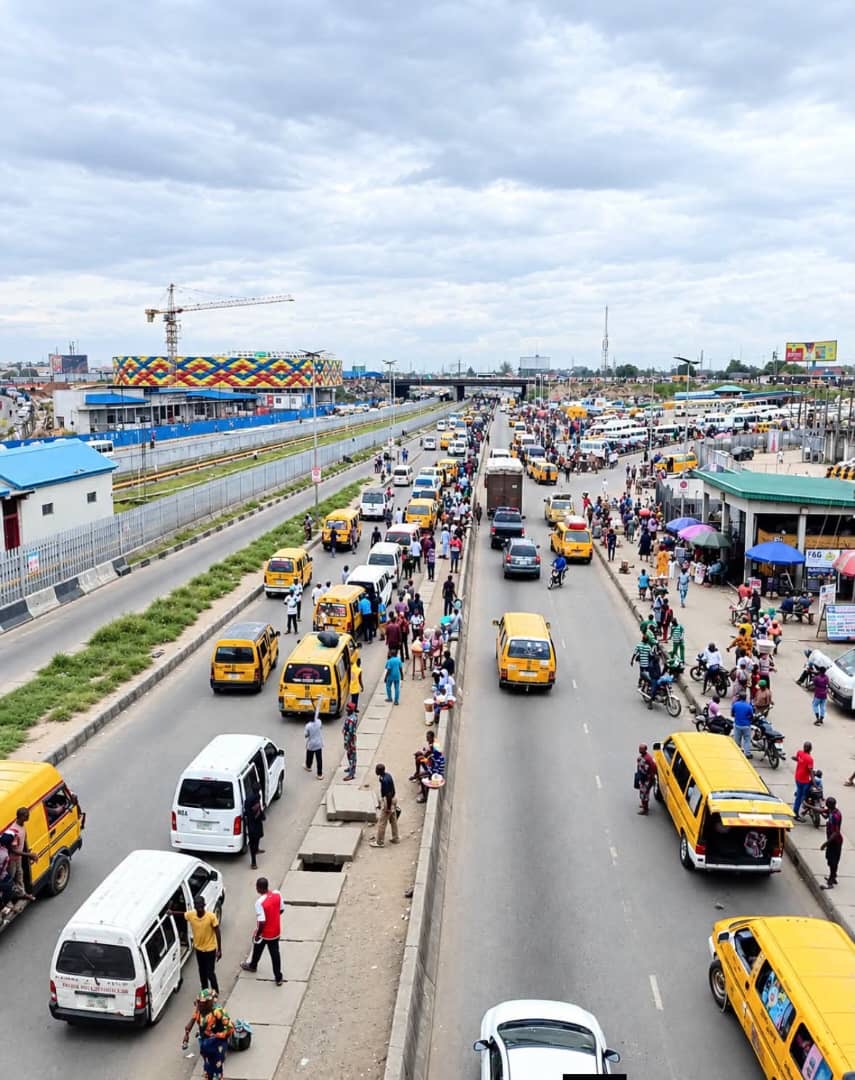
For many street hawkers in Lagos, congested roads and busy intersections have become workplaces where every sale could mean money for food, school fees or transportation, while a moment of carelessness could cost them their lives.
Driven by unemployment, rising living costs and financial hardship, young Nigerians such as Emmanuel and Timothy Eje navigate moving vehicles daily, selling sachet water, bottled drinks and other goods to survive.
Their experiences highlight the economic pressures forcing vulnerable Nigerians to seek livelihoods in hazardous environments despite the risks of road accidents, theft and uncertain earnings.
Education drives Emmanuel into traffic
For Emmanuel, selling sachet water is a means of financing his education. Despite the danger of approaching motorists in traffic, he said he earns between ₦3,000 and ₦3,500 daily, an amount he considers insufficient to meet his needs and pay his school fees.
“I sell pure water because I want to pay my school fees,” he said, explaining that fear of being hit by vehicles has not stopped him from working.
He recalled a frightening encounter in which a trailer nearly hit him, underscoring the dangers hawkers face while moving between vehicles to attract customers.
Emmanuel said his family’s financial difficulties have made it difficult to pursue his educational ambitions. His mother also sells sachet water to support the household.
He appealed to the government to provide scholarships, free education and learning materials to children from low-income families.
“The government can help us by providing scholarships, free education and free books so that we can go to school and make our future bright. We have dreams, but we cannot fulfil them because of these challenges,” he said.
He also called for employment opportunities for widows to help vulnerable households achieve greater financial stability.
Rising costs squeeze Timothy’s earnings
For Timothy Eje, street hawking provides an income to pay bills, feed himself and support his family, including his brother.
He said he chose legitimate trading despite its dangers rather than resort to stealing or other unlawful activities.
However, rising living costs have affected customers’ purchasing power, with some switching from bottled drinks and water to cheaper alternatives, including sachet water.
Timothy said his daily earnings range from N3,000 to N3,500 on ordinary days and could reach N6,000 to N7,000 on better days. However, transportation expenses and other costs reduce the money he takes home.
He sometimes travels to busier locations because his immediate neighbourhood does not attract enough customers to sustain his business.
Beyond the financial strain, he said hawkers face the threat of accidents and harassment by hoodlums who sometimes seize their goods or money.
“There are so many people out there now, and things are really difficult. Everywhere is dry,” he said, describing the growing competition for customers.
Timothy urged the government to create jobs, provide accessible loans and support small businesses, noting that some hawkers have completed secondary or university education but remain unable to secure stable employment.
The experiences of Emmanuel and Timothy illustrate how economic hardship can push young people into dangerous informal work, with immediate survival taking precedence over long-term security.
While Emmanuel hopes to finance his education, Timothy is seeking a more stable livelihood to support his family.
Their appeals point to the need for expanded educational assistance, job creation, affordable business financing and targeted support for vulnerable households.
Scholarships and learning materials could help prevent financial hardship from disrupting education, while accessible loans and business development support could enable informal traders to establish safer, more sustainable enterprises.
Employment opportunities could also reduce dependence on roadside trading, where earnings remain unpredictable and workers face constant exposure to moving vehicles.
For now, Lagos traffic remains a source of livelihood and danger for hawkers struggling to survive. Every sale brings them closer to meeting an immediate need, but the risks remain a stark reminder of the limited alternatives available to many low-income Nigerians.


-
 Business1 week ago
Dangote Refinery IPO: 70% Subscription claim meets fourfold demand assertion as investors seek clarity
-

 Featured4 days ago
Inside INEC’s race to prepare for Nigeria’s 2027 elections
-

 Latest6 days ago
UCTH faces morgue crisis as 50 unclaimed corpses await mass burial
-

 Featured4 days ago
2027: APC unveils nationwide campaign timetable, Tinubu to rally in 12 states
-
 Business6 days ago
BREAKING: Nigeria’s Inflation Rate Drops to 14.63% in September
-

 Aviation1 week ago
Germany opens online application route for student, EU Blue Card and other long-stay visas
-
 Business4 days ago
Court dismisses ₦170m Trade Fair contract claim, says Zenith Bank was not a party
-

 Business5 days ago
President Tinubu and the Low Transport Fares Fiasco