
Business
Unification of exchange rate may lead to fuel price hike – Analysts

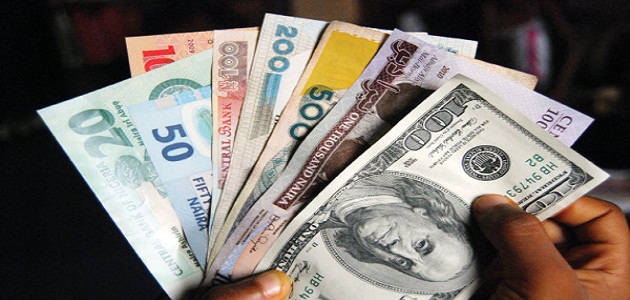
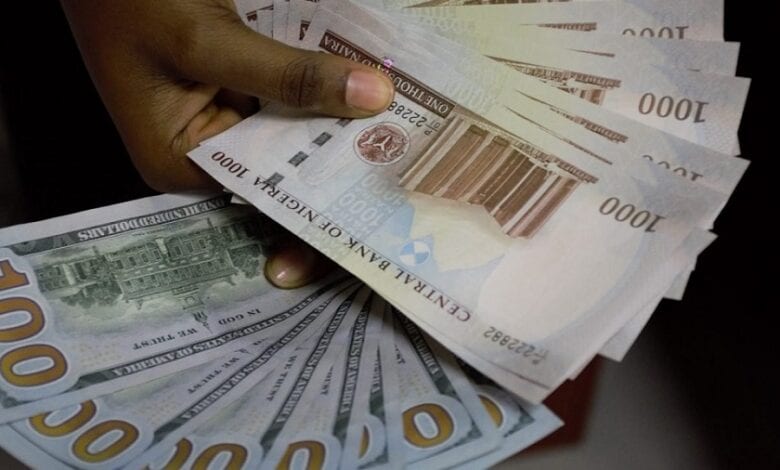
The proposed plans by FMDQ OTC Securities Exchange to unify its multiple exchange rates could lead to increase in the prices of fuel, analysts have warned.
FMDQ OTC Securities Exchange, the Lagos-based platform that oversees interbank trading said it would allow banks to use a currency window for investors when quoting the naira rather the official rate.
FMDQ OTC Securities Exchange asked lenders this week to publish quotes reflecting trades in the Investors’ & Exporters’ FX Window, according to Ecobank Transnational Inc. and Access Bank Plc. The window was opened in late April in a bid to attract inflows to the dollar-starved nation.
Reacting to the move, Head of Arfica strategy at Standard Chartered in London, Samir Gadio, said the exchange rate unification across the board could imply higher fuel prices.
“But It is probably a positive step toward greater transparency in the FX market,” he added.
The interbank rate weakened 14 percent to 366.04 per dollar as of 5:42 p.m. in Lagos, close to 367.08 for the so-called Nafex rate, the daily fixing published by FMDQ for the Investors’ & Exporters’ FX window.
Naira three-month forward contracts based on the official rate rose as much as 1.3 percent to 342 against the greenback, the highest level on a closing basis since June 6.
ALSO SEE: Exchange rate crashes as Naira moves up against Dollar
“FMDQ and traders reached agreement to try to move toward a single exchange rate,” Kunle Ezun, an analyst at Ecobank in Lagos, said by phone. The idea is “to show the true reflection of the naira in the market. The I&E window in terms of transparency and price discovery seems to reflect where the naira should trade. All banks are now putting quotes at that rate.”
Nigeria has faced dollar shortages since the price of oil, its main export, crashed in 2014 and the central bank responded by tightening capital controls. As the squeeze worsened, Nigeria opted for a system of multiple exchange rates rather than floating its currency like other crude producers such as Russia and Kazakhstan.
The change this week was made because banks have been trading with each other mainly via the Nafex market since its introduction, according to Bola Onadele, FMDQ’s chief executive.







-

 Football5 days ago
Banda, Chawinga make 2026 Women’s Ballon d’Or top 30 shortlist
-

 Featured5 days ago
Peter Obi, Makinde and the 2027 elections: Can unity really challenge APC?
-

 Business7 days ago
Nigerian Breweries’ H1 profitability strengthens as revenue hits N804bn
-
 Business6 days ago
Nigeria records N12.59trn trade surplus in Q2 2026 — NBS
-

 Latest7 days ago
Tinubu’s US legal battle: Group questions silence of elder statesmen
-

 Energy4 days ago
Brent crude tops $100: What higher oil prices mean for Nigeria
-
 Latest6 days ago
Akpabio courts northern youths for Tinubu’s reforms ahead of 2027
-
 Featured6 days ago
2027: Rivers ADC fires back at Wike, says boasts won’t decide elections