
Business
Unification of exchange rate may lead to fuel price hike – Analysts

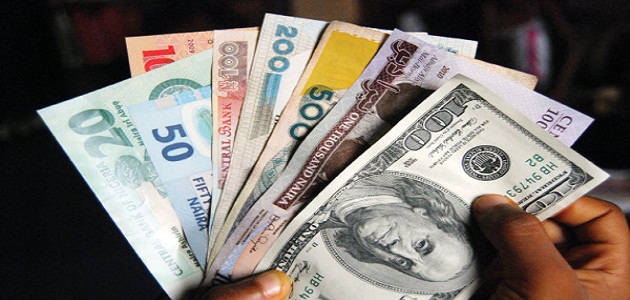
The proposed plans by FMDQ OTC Securities Exchange to unify its multiple exchange rates could lead to increase in the prices of fuel, analysts have warned.
FMDQ OTC Securities Exchange, the Lagos-based platform that oversees interbank trading said it would allow banks to use a currency window for investors when quoting the naira rather the official rate.
FMDQ OTC Securities Exchange asked lenders this week to publish quotes reflecting trades in the Investors’ & Exporters’ FX Window, according to Ecobank Transnational Inc. and Access Bank Plc. The window was opened in late April in a bid to attract inflows to the dollar-starved nation.
Reacting to the move, Head of Arfica strategy at Standard Chartered in London, Samir Gadio, said the exchange rate unification across the board could imply higher fuel prices.
“But It is probably a positive step toward greater transparency in the FX market,” he added.
The interbank rate weakened 14 percent to 366.04 per dollar as of 5:42 p.m. in Lagos, close to 367.08 for the so-called Nafex rate, the daily fixing published by FMDQ for the Investors’ & Exporters’ FX window.
Naira three-month forward contracts based on the official rate rose as much as 1.3 percent to 342 against the greenback, the highest level on a closing basis since June 6.
ALSO SEE: Exchange rate crashes as Naira moves up against Dollar
“FMDQ and traders reached agreement to try to move toward a single exchange rate,” Kunle Ezun, an analyst at Ecobank in Lagos, said by phone. The idea is “to show the true reflection of the naira in the market. The I&E window in terms of transparency and price discovery seems to reflect where the naira should trade. All banks are now putting quotes at that rate.”
Nigeria has faced dollar shortages since the price of oil, its main export, crashed in 2014 and the central bank responded by tightening capital controls. As the squeeze worsened, Nigeria opted for a system of multiple exchange rates rather than floating its currency like other crude producers such as Russia and Kazakhstan.
The change this week was made because banks have been trading with each other mainly via the Nafex market since its introduction, according to Bola Onadele, FMDQ’s chief executive.







-

 Featured6 days ago
Inside INEC’s race to prepare for Nigeria’s 2027 elections
-

 Latest1 week ago
Global excitement builds as Healing Streams Live Services returns October 23
-

 Featured6 days ago
2027: APC unveils nationwide campaign timetable, Tinubu to rally in 12 states
-

 Business1 week ago
President Tinubu and the Low Transport Fares Fiasco
-
 Business4 days ago
Naira faces exchange rate gap as Dollar hits N1,380 on parallel market
-
 Business6 days ago
Court dismisses ₦170m Trade Fair contract claim, says Zenith Bank was not a party
-
 Latest6 days ago
Breaking: NNPCL raises petrol price to ₦1,405 per litre amid discount controversy
-

 Business1 week ago
Rite Foods targets beverage market growth with LIDA Malt