
Business
Customs records $752.8m exports in Q3 as manufactured goods lead

By Diden Abigail Owuntarose
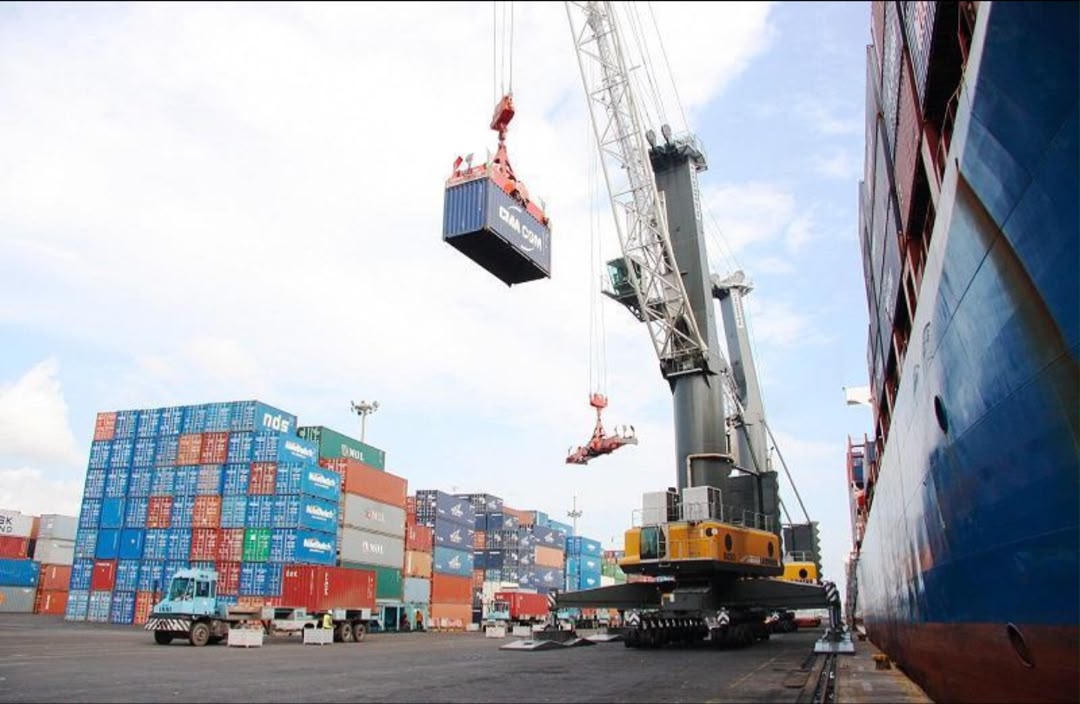
The Nigeria Customs Service (NCS) has disclosed that export activities at its Lilypond Export Command generated $752.8 million in the third quarter of 2026, representing a 22.14 per cent increase compared with the corresponding period of 2025.
The figure highlights the growing contribution of manufactured products and agricultural commodities to Nigeria’s export earnings as the country seeks to strengthen non-oil trade and reduce dependence on crude oil.
The National Public Relations Officer of the NCS, Abdullahi Maiwada, disclosed the figures during a joint briefing organised by the Office of the National Security Adviser in Abuja.
According to him, manufactured goods accounted for the largest share of the recorded export value at $402.5 million, while agricultural produce contributed $311 million.
The figures indicate that manufactured exports generated more than half of the export value recorded at the command during the period, underlining the potential of local industries to earn foreign exchange through international trade.
Maiwada also disclosed that the Customs Service generated more than ₦1.42 trillion in revenue in September and October 2026.
READ ALSO; Customs seize smuggled goods worth ₦721.9m in Sokoto, Zamfara
The service collected N722.9 billion in October, while September accounted for ₦697.8 billion.
During the two-month period, Customs processed 99,839 Single Goods Declarations and 9,195 Pre-Arrival Assessment Reports, reflecting its activities in revenue collection and trade administration.
The latest export figures come amid efforts to expand Nigeria’s non-oil export base and improve the competitiveness of locally produced goods in international markets.
However, sustaining the growth will depend on addressing challenges affecting exporters, including transportation costs, port delays, access to finance, product quality standards and the availability of reliable infrastructure.
For manufacturers and agricultural exporters, improved trade facilitation and efficient cargo clearance remain important to reducing the cost of getting Nigerian products to foreign markets.
The Customs Service said its recent performance reflected efforts to strengthen trade facilitation, revenue generation and border enforcement


-

 Features1 week ago
How ADC leadership crisis put Atiku’s 2027 ambition at risk
-

 Energy1 week ago
NNPC plans 5–10% stock market listing, targets 2027 for IPO preparations
-

 Business5 days ago
DisCos urge Minister to end blame game, apologise to Nigerians over blackouts
-

 Latest1 week ago
2027: No Court rulings can keep me off the ballot, Atiku insists
-

 Health6 days ago
Study links Pfizer COVID-19 vaccine to higher death rates than Moderna shot
-

 Latest1 week ago
How internal party disputes could shape the 2027 elections
-

 Business7 days ago
Power supply to improve in 72 hours as FG moves to restore generation – Tegbe
-

 Business4 days ago
Fuel price: Our eyes on you, FCCPC tells oil marketers