
Agribusiness
Importers, smugglers killing FG’s tomato policy — Industry experts

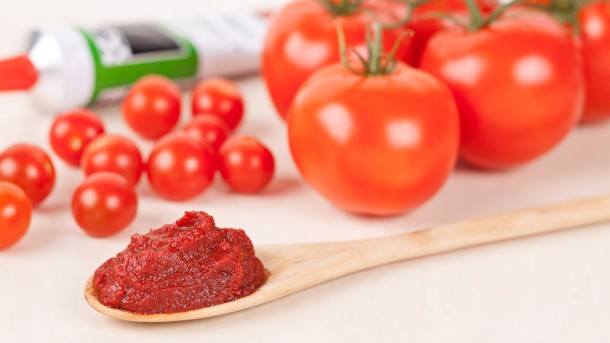
Investigations has revealed the chances of Nigeria achieving backward integration in Tomato production may have to wait for long time considering the activities of importers and smugglers upon the prevailing government’s tomato policy.
The policy to drive backward integration came in place about six months ago by the Federal Government.
But stakeholders and participants at Agra Innovate West Africa forum in Lagos recently expressed total dismay on the poor implementation of the scheme considering the bloosming jump in importation and smuggling of tomato.
In the last one year, there had been massive investments in local production.
Leading African industrialist, Aliko Dangote has already pumped much in growing and producing Tomato in parts of the north.
National Daily gathered that the federal government in April this year announced a new tomato policy aimed at promoting local production of fresh tomato, increasing local production of tomato concentrate and reducing post-harvest losses.
The policy restricts the importation of tomato concentrates to the seaports to address the abuse of the ECOWAS Trade Liberalisation Scheme (ETLS), stops the importation of tomatoes preserved otherwise by vinegar or acetic acid; and increases the tariff on tomato concentrate to 50 per cent with an additional levy of $1,500 per metric ton.
ALSO SEE: Customs accuse shipping companies of aiding illegal arms importation
Before now, the country imports an average of 150,000 metric tons of tomato concentrate per annum, valued at $170 million, mostly due to inadequate capacity to produce tomato concentrate.
Besides, current demand for fresh tomato fruits is estimated at about 2.45 million metric tonnes per annum, while the country produces only about 1.8 million metric tonnes per annum.
A consensus decision of participants during the summit was that importers are frustrating the tomato policy.
A communiqué issued averred that “A lot of importers anticipated the tomato paste policy and filled their warehouses with imported concentrates before the policy even commenced.” We hope by next year when the importers have exhausted all they have imported before the policy we would begin to see the impact.
Alhaji Abdulkarim Kaita, Managing Director, Dangote Tomato Processing Factory said “For now, the impact of the tomato paste policy is not yet there,” noting that “ it is one thing to put a policy in place and it is another thing to ensure it is fully implemented”.





-

 Football5 days ago
Banda, Chawinga make 2026 Women’s Ballon d’Or top 30 shortlist
-

 Featured6 days ago
Peter Obi, Makinde and the 2027 elections: Can unity really challenge APC?
-

 Business7 days ago
Nigerian Breweries’ H1 profitability strengthens as revenue hits N804bn
-
 Business6 days ago
Nigeria records N12.59trn trade surplus in Q2 2026 — NBS
-

 Latest7 days ago
Tinubu’s US legal battle: Group questions silence of elder statesmen
-

 Energy4 days ago
Brent crude tops $100: What higher oil prices mean for Nigeria
-

 Trending Stories4 days ago
Davido, Wizkid, Burna Boy or Asake: Who is having the biggest 2026 so far?
-

 Football3 days ago
Premier League releases 2026/27 festive fixtures, 7 matches set for Boxing Day