
Latest
2027: Atiku vows to restore fuel, electricity subsidies if elected

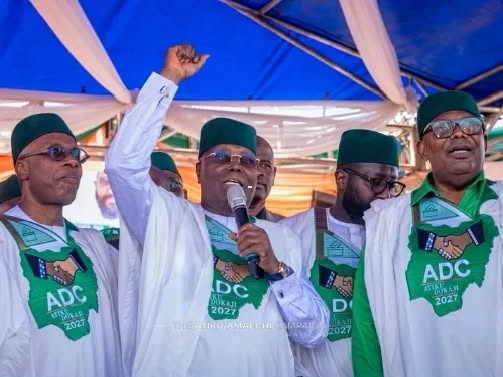
Former Vice-President Atiku Abubakar has pledged to restore petroleum and electricity subsidies if elected president in the 2027 general elections, placing the controversial economic policies at the centre of his campaign message.
Atiku, the African Democratic Congress (ADC) presidential candidate, made the promise on Saturday, November 14, during a campaign rally at the Sir Abubakar Tafawa Balewa Stadium in Bauchi State.
“I promise all Nigerians that I will restore the petroleum subsidy. Not only that, I will also restore the subsidy for electricity power,” he said.
The former vice-president also pledged to address insecurity in the North-East and other parts of the country, continue petroleum exploration at the Kolmani oil field in Bauchi State and pursue the Mambilla Hydroelectric Power Project.
Atiku urged residents to support ADC candidates at all levels, from the presidential election to councillorship contests, saying his proposed administration would prioritise the welfare and development of Nigerians.
He also thanked the people of Bauchi for their previous electoral support, promising not to take their loyalty for granted.
Atiku’s latest promise comes amid continuing debate over the economic consequences of subsidy removal under President Bola Tinubu.
Tinubu announced the removal of petrol subsidy during his inauguration on May 29, 2023, declaring that the policy had ended. The decision was followed by a sharp increase in petrol prices, with higher transportation costs contributing to pressure on household incomes and the prices of goods and services.
Atiku has repeatedly argued that Nigerians have not experienced sufficient benefits from the removal of the subsidy and has questioned how the savings have been used.
In August 2026, he reiterated his intention to restore petrol subsidy, arguing that the resources released by its removal should have translated into improvements in healthcare, education, security and other public services.
He has also proposed a targeted subsidy approach, arguing that government support should help reduce the cost of transportation and ease the burden on households and businesses.
His latest Bauchi declaration extends that position to electricity, with a promise to restore government support for power tariffs.
Unlike petrol subsidy, which the Tinubu administration announced it was ending in 2023, government support for electricity consumers has continued through tariff subsidies.
The Nigerian Electricity Regulatory Commission (NERC), in its 2025 annual report, put the Federal Government’s electricity subsidy obligation at approximately ₦1.93 trillion for the year.
The subsidy covers the difference between the cost-reflective tariffs recognised by the regulator and the lower rates paid by consumers in affected customer categories.
The arrangement is intended to shield consumers from the full cost of electricity, but it places a substantial financial responsibility on the government. Delayed payments can also worsen liquidity challenges for operators in the electricity market.
Atiku’s pledge therefore raises questions about how a future administration would fund both petroleum and electricity subsidies while meeting other national spending obligations.
The restoration of subsidies is likely to become a major issue in the 2027 election debate, particularly as Nigerians continue to grapple with the cost of living.
However, Atiku’s latest remarks did not provide detailed estimates of the cost of restoring both subsidies, the proposed funding arrangements, the eligibility criteria for beneficiaries or the safeguards that would prevent abuses.
His campaign will also face questions about how the proposed policy would operate within the existing petroleum and electricity market frameworks.
The All Progressives Congress Presidential Campaign Council had previously asked Atiku to explain the legal, fiscal and operational details of his proposed petrol subsidy, including its projected cost and how government support would translate into lower pump prices.
The debate also touches on Atiku’s earlier position on subsidy removal. During the 2023 presidential campaign, he supported ending petrol subsidy, although he advocated a negotiated and phased approach. In July 2022, he described subsidy removal as inevitable but said it should be implemented through discussions with organised labour and other stakeholders.
His current pledge to restore the policy marks a significant change from that earlier campaign position.
As the 2027 election approaches, voters are likely to demand clearer explanations from candidates on how their economic proposals would be funded and whether they can deliver lasting relief without creating unsustainable public spending obligations.


-

 Features1 week ago
How ADC leadership crisis put Atiku’s 2027 ambition at risk
-
 Energy1 week ago
NNPC plans 5–10% stock market listing, targets 2027 for IPO preparations
-
 Business5 days ago
DisCos urge Minister to end blame game, apologise to Nigerians over blackouts
-
 Health6 days ago
Study links Pfizer COVID-19 vaccine to higher death rates than Moderna shot
-
 Latest1 week ago
How internal party disputes could shape the 2027 elections
-
 Business1 week ago
Power supply to improve in 72 hours as FG moves to restore generation – Tegbe
-
 Business4 days ago
Fuel price: Our eyes on you, FCCPC tells oil marketers
-

 Football5 days ago
Flamingos arrive in Abuja after historic U-17 Women’s World Cup victory