
Business
2018 Budget: Delay ‘ll postpone inflationary, exchange rate pressures

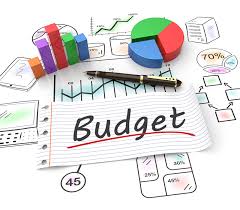
The National Assembly has announced that the 2018 national budget will be passed in May. This is contrary to an earlier announcement by the speaker of the House, Yakubu Dogara that the N8.6trn budget will be passed on April 24th.
According to reports, the date was postponed as NASS said some ministries were yet to defend their budget proposals. This is not surprising news. The delay in the passage of the budget has almost become a norm in Nigeria.
In 2016, the NASS passed the budget in March. However, padding allegations by the President delayed the final sign off till May 6th.
In 2017, the Senate alleged that the Nigerian police had taken 18 files needed to fully assess the budget. In the end, NASS passed the N7.4trn budget on May 11th, and the Acting President, Yemi Osinbajo signed it into law on June 12th.
Every year since 2014, the national budget has been passed and signed into law around May/June.
National Daily gathered from experts that the delay postponed multiplier effect of government spending. Recurrent expenditure boosts injections, while capital spending reduces the country’s infrastructure deficit. The latter will also support activity in the construction sector, which grew by 1% in 2017.
Also government will have less time to use these funds. This brings into question the issue of the absorptive capacity of the economy.
Assuming the budget is passed and signed in May, the government will only have 7 months to spend what was initially meant for a 12-month budget calendar.
However, as it has always done in the past, the government is likely to extend the timeline of the budget from December to Q1 of the next year.
As at December 2017, the government had spent less than 50% of its 2017 capex budget and had announced that the remaining funds will be rolled over to 2018.
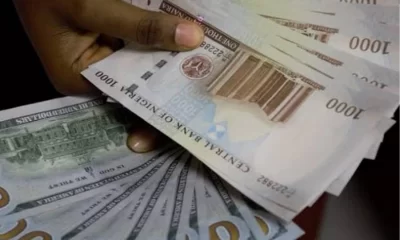
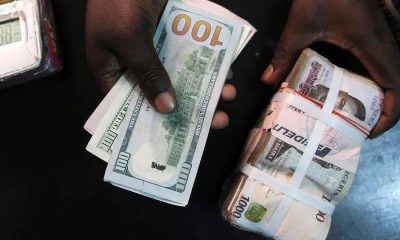
Also, the delay will postpone the inflationary and exchange rate pressures that usually come with increased government spending. This is because more money in the system would translate into increased consumption and higher demand for forex.
Dollar demand, as a result of the budget passage, is estimated to increase by $5bn in H2. This could also lead to a depletion of external reserves.










-

 Business6 days ago
Abuja gears up for Jetour T2’s rugged-luxury experience
-
 Business1 week ago
Nigeria Business Outlook: Dangote IPO, markets, inflation and naira in focus this week
-

 News4 days ago
UK, Canada pledge closer cooperation on trade, defence and AI
-

 Business1 week ago
Dangote IPO rush crashes Bamboo login as investors flood platform
-
 Business5 days ago
Tinubu’s economic reforms face public confidence test as cost-of-living crisis persists
-
 Business5 days ago
Dangote: Petrol price gap fuels smuggling as Nigeria faces fresh pump price surge
-
Business3 days ago
Dangote Refinery IPO: Can small investors really make money from the shares?
-
 Latest5 days ago
Court sets 7-day window for Atiku to serve Tinubu in 2027 suit