
News
How Ayeni, others contributed to Skye Bank’s collapse- NDIC

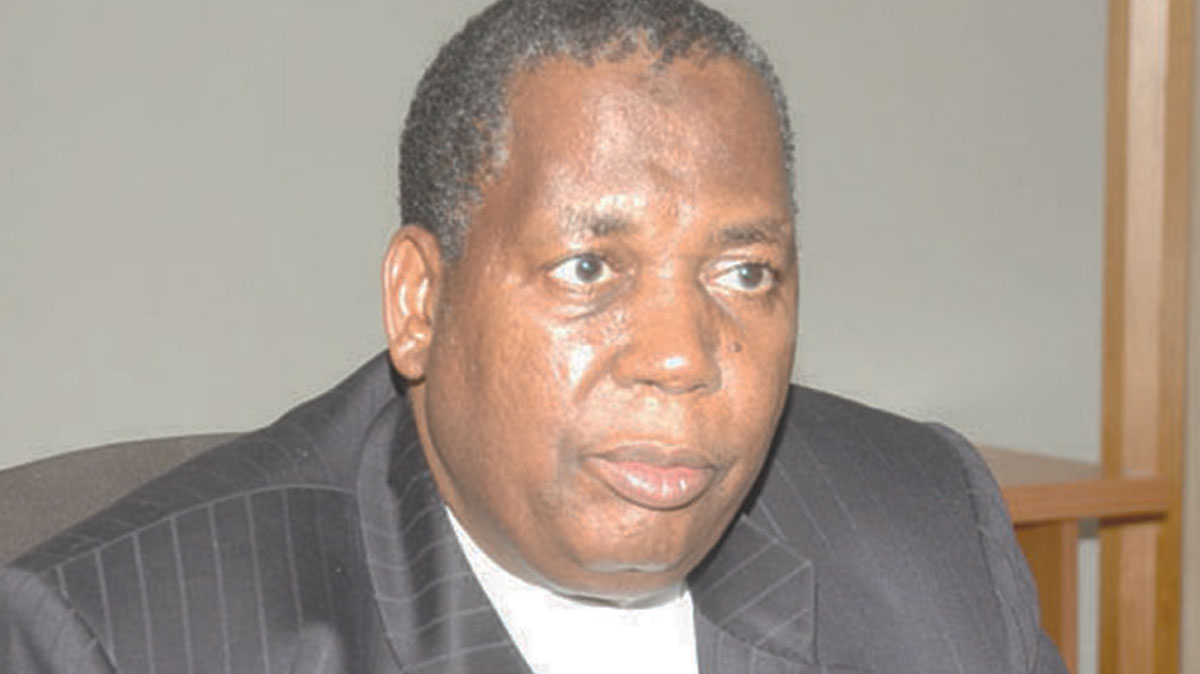
The Nigeria Deposit Insurance Corporation (NDIC), says its Risk Assessment and Forensic Investigation Reports has revealed that the erstwhile Board of Directors and management of the failed bank, led By Tunde Ayeni, contributed to its failure by engaging in insider abuse, poor corporate governance and banking malpractices.
Recall that the Central Bank of Nigeria had in 2016 sacked the board and management team of the defunct Skye Bank. It dissolved the bank’s board of directors led by Tunde Ayeni as the chairman following accusations of insider’s abuse.
In a statement issued by Mohammed Ibrahim, NDIC’s Head of Media and Corporate Services on Monday, MD/CEO of the NDIC, Umaru Ibrahim, said the reports identified malpractices such as fraudulent accounting, manipulation of accounting records to present false profits and ratios, unlawful loan and credit facilities, non-disclosure of directors’ interests and lending beyond the single limit.
Ibrahim said the implementation of the bridge bank resolution option that established Polaris Bank Ltd which assumed the assets and liabilities of the defunct bank resulted in depositors’ unhindered access to their funds.
He said it also led to the continuity of the operations of about 300 branches and the preservation of more than 6,000 jobs.
Ibrahim said the Corporation had commenced payment of insured deposits to depositors of the 153 Microfinance and six Primary Mortgage Banks that their licenses were recently revoked by the CBN.
The NDIC boss described the collaboration between the Corporation and the Judiciary as a valuable engagement toward the development of the financial system and the effective implementation of the Corporation’s mandate.
He said the seminar for Federal High Court Judges with the theme: “Challenges to Deposit Insurance Law and Practice in Nigeria” was specifically designed to address topical issues in bank supervision.
He named some of the issues to include regulatory framework of systematically important banks, robustness of the legal system to facilitate criminal prosecution of bank directors and debt recovery under the Failed Banks Act.
While commending the NDIC for its continued interactions with the Federal High Court, Justice Abdul Kafarati said the impact had been a deeper appreciation of the implications of the mandate and activities of the Corporation.
This, Kafarati said had led to more proactive and accurate adjudication of cases brought before the courts.
He expressed optimism that the broadening of the scope to include topical issues would further deepen the impact of the seminar toward addressing current regulatory issues in the financial system.


-

 Featured1 week ago
Nigeria’s youth unemployment paradox: Graduates struggle as millions survive in informal jobs
-

 Business1 week ago
Nigerian Banks earn N521.8bn from E-banking, card fees in nine months
-

 Energy1 week ago
Nigeria’s power crisis deepens as ₦639bn unpaid gas debt threatens electricity supply
-
 Featured6 days ago
Tinubu’s Renewed Hope: Reforms, hardship and the unanswered question of a second term
-

 Latest1 week ago
Dalung claims ‘message from Buhari’s grave’ urges Nigerians to vote Atiku in 2027
-

 Featured6 days ago
The cost of Renewed Hope: How Nigeria’s economic reforms are reshaping everyday family life
-

 Latest1 week ago
Ondo shuts ponmo processing centre after discovery of human waste
-

 Education1 week ago
Nigeria’s education crisis deepens as schools battle infrastructure deficits