
Featured
Afghan ATMs out of cash as Taliban appoints central bank chief

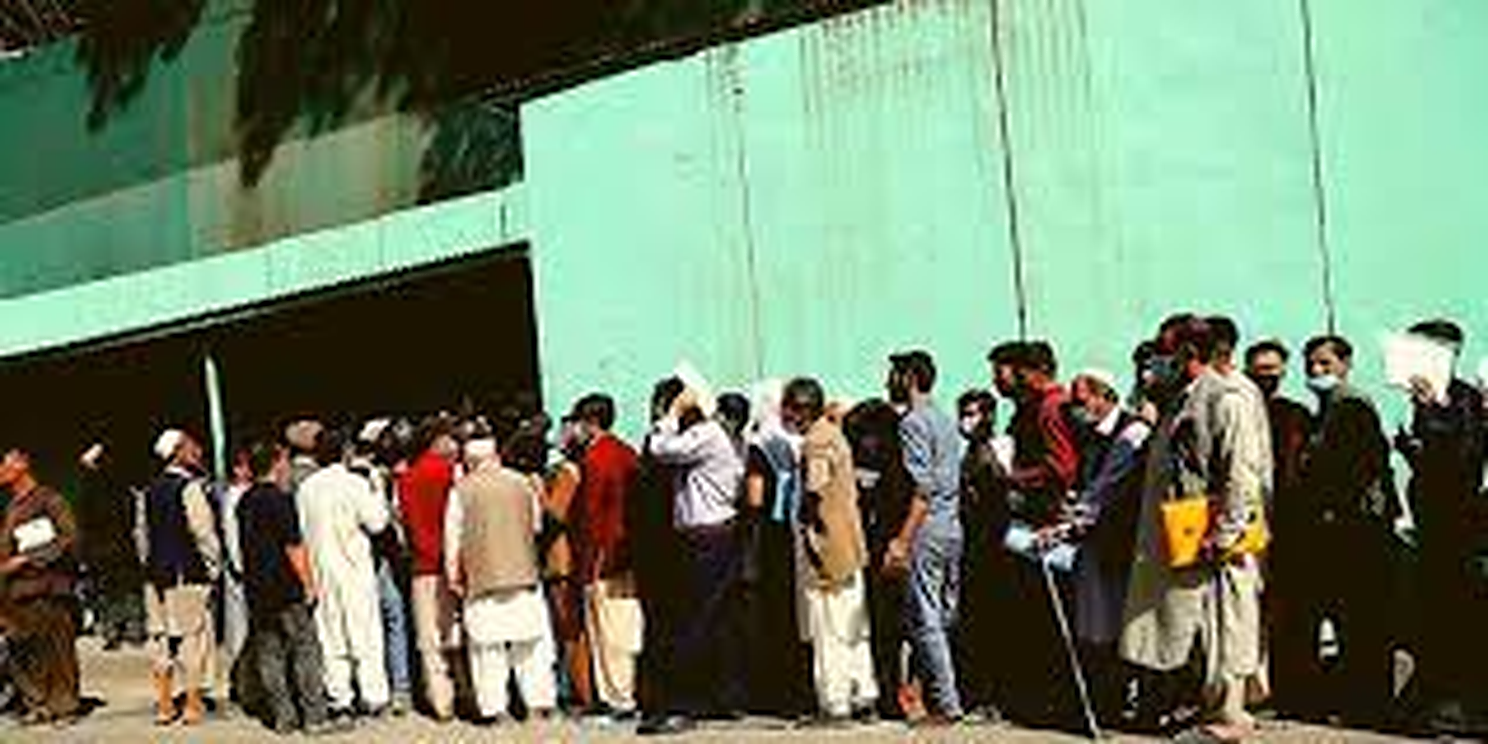
The Taliban appointed an obscure official, Mohammad Idris, as acting governor of Afghanistan’s central bank, even as signs emerge of a financial crunch, with ATMs running out of cash and prices of essential goods spiraling.
Idris will “address the looming banking issues and the problems of the people,” Taliban spokesman Zabihullah Mujahed said on Twitter. Idris headed the group’s economic commission, Muhammad Jalal, a member of the Taliban’s cultural commission, said in a text message.
His educational and professional qualification or experience in dealing with monetary, currency and banking policy remains unknown.
The economic commission itself operated in the shadows over the last 20 years. Its activities included allegedly collecting illegal taxes from businesses and farmers to fund the militant group’s fighting.
Prices of food essentials like flour and oil have risen by as much as 35% over the last week. Banks, pharmacies and drugstores across Kabul are also mostly shut. In most parts of the capital city, the streets are now empty. Taliban fighters are patrolling the entire city to ensure security, Mujahed said.
Exiled central bank chief Ajmal Ahmady said in an interview for Bloomberg’s Odd Lots podcast that a Taliban-led Afghanistan faces a series of shocks that probably will lead to a weaker currency, faster inflation and capital controls. The Harvard graduate fled the country following similar departures of several other officials including former President Ashraf Ghani as the militants advanced into Kabul on Aug. 15.
Banks shut soon after the militants took control and ATMs have been steadily running out of cash since then. The Afghani hit a record low last week.
“We have money but we’re still so poor we’re dying. It’s the third day we are running out of cash,” said Mustafa Haqbeen, a Kabul resident and an English trainer at a private tutoring center, which is shuttered for now. “Even the Western Union offices are shut in Kabul. Food prices have never been higher. We are being suffocated.”
“Banks will become operational by tomorrow or the day after,” said Mohammad Rafi Tabe, a finance ministry spokesman said in a phone interview. Even though the finance minister had left Afghanistan before the fall of Kabul, the ministry is back to work and all of its staff will remain in the same positions as they were before the Taliban took over, Tabe added.
Bloomberg


-

 Latest1 week ago
Full List: Meet the 2026 Nobel Prize winners across six categories
-

 Football1 week ago
Premier League Matchweek 7: Five Fixtures That Could Shape the Weekend
-
 Business6 days ago
Dangote Refinery IPO: 70% Subscription claim meets fourfold demand assertion as investors seek clarity
-

 Latest7 days ago
Umahi defends Lagos-Calabar highway route changes amid public outcry
-
Business6 days ago
Dangote Refinery IPO Extension: Was the 70% subscription report overhyped?
-

 Latest5 days ago
UCTH faces morgue crisis as 50 unclaimed corpses await mass burial
-

 Featured2 days ago
Inside INEC’s race to prepare for Nigeria’s 2027 elections
-

 Business4 days ago
BREAKING: Nigeria’s Inflation Rate Drops to 14.63% in September