
Energy
Blackout worsens as Nigeria’s power grid collapses again

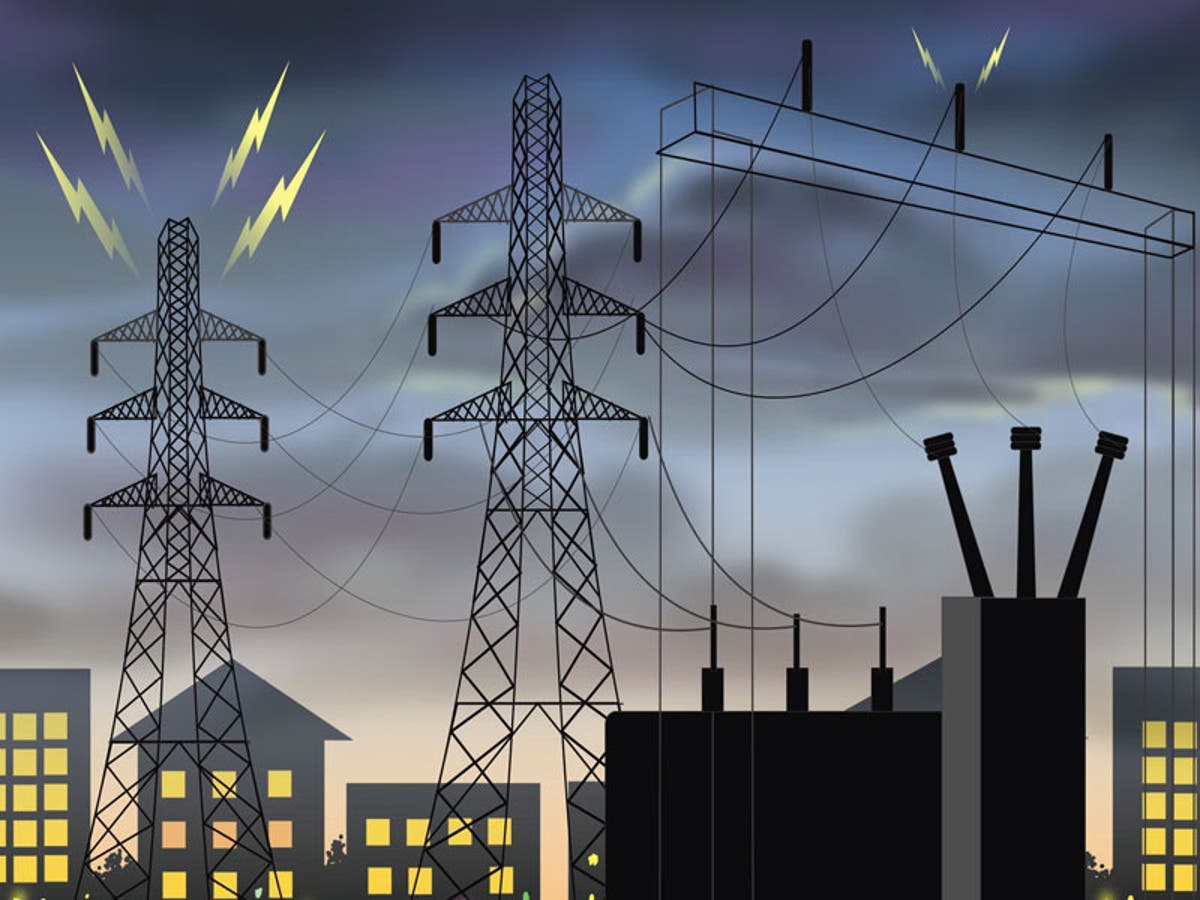
The national power grid has suffered another system collapse for the second time in less than a month, worsening the blackout being experienced by households and businesses in parts of Nigeria.
The collapse, which occurred around 1:00 pm on Monday was confirmed by two of the electricity distribution companies in the country..
The grid had on July 28, 2021 suffered a total collapse which the Transmission Company of Nigeria attributed to the loss of 611 megawatts at two power stations.
READ ALSO: Plans to sell TCN ‘ll lead to electricity tariff hike, labour warns
Eko Electricity Distribution Company, in a text message to its customers, said, “Dear customer, the present outage is due to a system collapse on the National Grid. TCN (Transmission Company of Nigeria) assures us that supply will be restored shortly.”
The Head of Kano Electricity Distribution Company, Nura Shawai, said in a statement, “This is to kindly inform the general public of another system collapse based on information available to us. This occurred today 28/7/2021 at about 12:20pm, as the national grid was disrupted, resulting in national blackout.
“However, the grid controllers have assured that efforts towards restoring supply are in progress, promising speedy reconnection of Kano and other locations to the grid, as soon as the fault is rectified.”
KEDCO said it regretted any inconveniences this might have caused its customers.
READ ALSO: TCN says ongoing projects will boost power grid by additional 4,000MW
The grid, which is being managed by government-owned Transmission Company of Nigeria, has continued to suffer system collapse over the years amid a lack of spinning reserve that is meant to forestall such occurrences.
According to the Nigerian Electricity Regulatory Commission, a total system collapse means total blackout nationwide, while partial system collapse is a failure of a section of the grid.
NERC had in its report for the third quarter of 2017 highlighted the need for adequate proactive measures (adequate spinning reserves) to prevent the system from being destabilised.
It said at the time that it was determined ‘to provide all regulatory intervention necessary to ensure that the Transmission Company of Nigeria procures sufficient spinning reserves’


-

 Latest1 week ago
Full List: Meet the 2026 Nobel Prize winners across six categories
-

 Football1 week ago
Premier League Matchweek 7: Five Fixtures That Could Shape the Weekend
-
 Business6 days ago
Dangote Refinery IPO: 70% Subscription claim meets fourfold demand assertion as investors seek clarity
-

 Latest7 days ago
Umahi defends Lagos-Calabar highway route changes amid public outcry
-
Business6 days ago
Dangote Refinery IPO Extension: Was the 70% subscription report overhyped?
-

 Latest5 days ago
UCTH faces morgue crisis as 50 unclaimed corpses await mass burial
-
 Featured2 days ago
Inside INEC’s race to prepare for Nigeria’s 2027 elections
-

 Business4 days ago
BREAKING: Nigeria’s Inflation Rate Drops to 14.63% in September